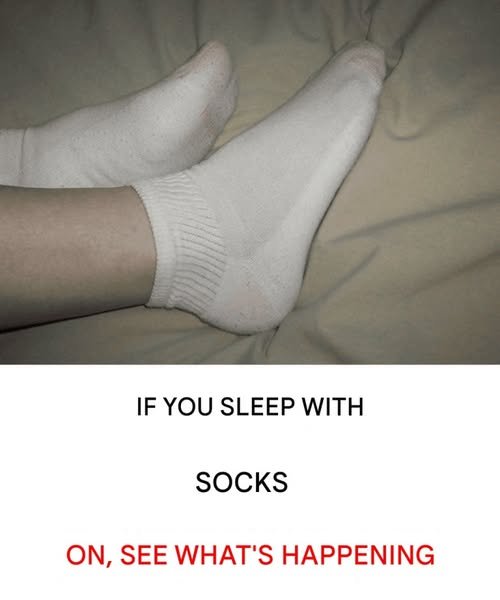
For many older adults, wearing socks at home may seem unnecessary — especially if they are relaxing indoors. However, keeping feet covered can provide several health and safety benefits. As people age, changes in circulation, skin, balance, and body temperature regulation make foot care increasingly important.
1. Helps Keep Feet Warm
Many seniors feel colder than younger adults because aging can affect:
- Blood circulation.
- Skin thickness.
- The body’s ability to regulate temperature.
- Muscle activity that helps generate heat.
Cold feet can be uncomfortable and may contribute to stiffness. Wearing socks helps trap body heat and keeps feet warmer, especially during colder months or in homes with hard floors.
2. May Improve Comfort and Circulation Awareness
Warm feet often feel more comfortable and relaxed. While socks do not directly “boost” circulation, keeping feet warm can help prevent discomfort caused by cold temperatures.
Seniors with circulation problems should pay attention to:
- Unusual numbness.
- Tingling.
- Color changes in toes.
- Persistent coldness.
These symptoms may require medical evaluation.
3. Reduces the Risk of Slips and Falls
Falls are a major concern for older adults. Bare feet can sometimes:
- Slip on smooth floors.
- Lose traction on tile or wood surfaces.
- Make walking less stable.
Socks with non-slip grips on the soles can provide extra traction around the home.
Regular loose socks without grips may actually increase slipping risk on certain floors.
4. Protects Against Foot Injuries
Socks provide a simple barrier against:
- Minor cuts.
- Scratches.
- Blisters.
- Irritation from rough surfaces.
This is especially important for seniors who may have reduced sensation in their feet and may not immediately notice small injuries.
5. Supports Better Foot Hygiene
Feet naturally produce sweat, even indoors. Wearing clean socks can:
- Absorb moisture.
- Reduce friction.
- Help prevent irritation.
However, socks should be changed regularly, especially if feet become sweaty.
6. Helps Protect Seniors With Diabetes
Foot care is especially important for people with diabetes because diabetes can sometimes cause:
- Reduced sensation (neuropathy).
- Slower wound healing.
- Increased risk of foot complications.
Soft, properly fitting socks can reduce friction and protect sensitive skin.
People with diabetes should avoid:
- Tight socks that leave deep marks.
- Socks with rough seams.
- Walking barefoot if they have reduced foot sensation.
7. Prevents Dry, Cracked Skin
Aging skin often becomes thinner and drier. Socks can help:
- Protect moisturized skin after applying foot cream.
- Reduce friction.
- Prevent cracks caused by dry environments.
A common routine is:
- Wash and dry feet.
- Apply moisturizer (avoid putting heavy lotion between toes).
- Wear clean cotton or moisture-wicking socks.
Choosing the Right Socks for Seniors
Good choices include:
✅ Non-slip socks for safety around the house
✅ Soft cotton or moisture-wicking materials
✅ Loose, comfortable cuffs
✅ Seamless socks for sensitive feet
✅ Proper sizing to avoid pressure points
Avoid:
- Very tight elastic bands.
- Worn-out socks with holes.
- Slippery socks on smooth floors.
When Seniors Should Be Extra Careful
Some people should discuss sock choices and foot care with a healthcare professional, especially if they have:
- Diabetes.
- Poor circulation.
- Swelling in the legs or feet.
- Nerve problems.
- Foot ulcers or wounds.
The Bottom Line
Wearing socks at home can be a simple habit that helps many seniors stay comfortable, protect their feet, maintain warmth, and reduce certain household risks. The best choice is not just any sock — it is a well-fitting, breathable, non-slip sock that supports safety and foot health.