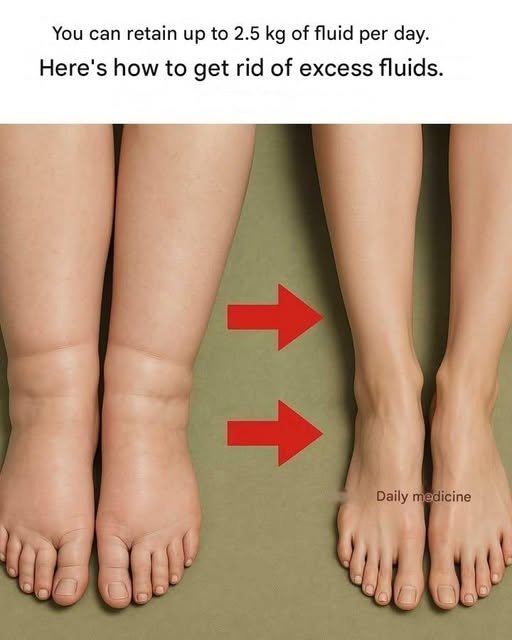
Many people notice that some days they wake up feeling puffy, their rings fit more tightly, or the number on the scale suddenly jumps by a few pounds. While it’s tempting to assume this is body fat, the culprit is often temporary fluid retention, also known as edema.
You’ve probably seen claims that the body can retain up to 2.5 kg (about 5.5 pounds) of fluid in a day. While body weight can fluctuate by several pounds over a short period due to changes in fluid balance, the exact amount varies widely from person to person and depends on factors such as diet, hormones, activity level, medications, and certain medical conditions.
Here’s what causes water retention and what you can do to reduce excess fluid safely.
What Is Fluid Retention?
Fluid retention occurs when excess fluid builds up in the body’s tissues instead of being eliminated through urine and sweat. This can lead to swelling in the feet, ankles, legs, hands, or face and may leave you feeling bloated or heavier than usual.
Temporary fluid retention is common and often improves within a day or two. However, persistent or severe swelling may signal an underlying health condition that requires medical attention.
Common Causes of Water Retention
Several everyday factors can contribute to fluid buildup, including:
- Eating foods high in sodium (salt)
- Sitting or standing for long periods
- Hot weather
- Hormonal changes, including around the menstrual cycle
- Lack of physical activity
- Long-distance travel
- Certain medications, such as some blood pressure medicines, steroids, or anti-inflammatory drugs
- Pregnancy
Medical conditions such as heart disease, kidney disease, liver disease, or problems with the lymphatic system can also cause swelling and should be evaluated by a healthcare professional.
1. Reduce Excess Sodium
Too much sodium encourages the body to hold onto water.
To lower your sodium intake:
- Choose fresh foods more often than highly processed meals.
- Read nutrition labels when shopping.
- Limit salty snacks, processed meats, canned soups, and fast food.
- Flavor meals with herbs, spices, garlic, lemon juice, or vinegar instead of extra salt.
2. Stay Hydrated
It may seem surprising, but drinking enough water can actually help your body regulate its fluid balance.
When you’re dehydrated, your body may conserve water. Drinking fluids regularly throughout the day supports normal kidney function and helps maintain healthy hydration.
3. Get Moving
Physical activity helps improve circulation and encourages excess fluid to move through the body.
Simple activities include:
- Walking
- Gentle cycling
- Swimming
- Stretching
- Calf raises if you’ve been sitting for long periods
If you work at a desk, try standing up and moving around every hour.
4. Eat Potassium-Rich Foods
Potassium helps balance sodium levels in the body.
Good sources include:
- Bananas
- Sweet potatoes
- Spinach
- Avocados
- Beans
- Tomatoes
- Oranges
If you have kidney disease or another condition that affects potassium levels, ask your healthcare provider before significantly increasing potassium-rich foods.
5. Elevate Swollen Legs
If your ankles or feet swell after standing or sitting for a long time, raising your legs above heart level for 15–30 minutes may help reduce mild swelling by encouraging fluid to return to the circulation.
6. Wear Compression Stockings if Recommended
For some people with leg swelling, especially those with chronic venous insufficiency, compression stockings can help improve circulation and reduce fluid buildup. They should be used according to a healthcare provider’s advice, particularly if you have circulation problems.
7. Maintain a Healthy Weight
Carrying excess weight can place additional pressure on the veins in your legs, making fluid retention more likely. Gradual weight loss, if appropriate, may help improve circulation and reduce swelling.
When Should You See a Doctor?
While occasional mild water retention is common, seek medical advice if you notice:
- Swelling that persists or worsens.
- Swelling in only one leg, especially if it’s painful or warm.
- Shortness of breath or chest pain.
- Rapid, unexplained weight gain over a few days.
- Severe swelling of the face, hands, or legs.
- Swelling associated with heart, kidney, or liver disease.
These symptoms may indicate a condition that requires prompt medical evaluation.
Myths About “Detox” Remedies
Many products claim to flush excess water from the body quickly, but there’s limited evidence that detox teas, cleanses, or unregulated supplements provide lasting benefits. Some may even cause dehydration or interact with medications.
Instead of relying on quick fixes, focus on proven lifestyle habits such as eating a balanced diet, staying active, and managing sodium intake.
Final Thoughts
Fluid retention can cause temporary weight fluctuations, puffiness, and swelling, but it’s often manageable with simple lifestyle changes. Reducing sodium, staying hydrated, exercising regularly, and eating a balanced diet can help your body maintain a healthy fluid balance.
If swelling is severe, sudden, or accompanied by symptoms such as chest pain, shortness of breath, or one-sided leg swelling, seek medical care promptly. Persistent fluid retention should always be evaluated to rule out underlying health conditions and ensure you receive the most appropriate treatment.