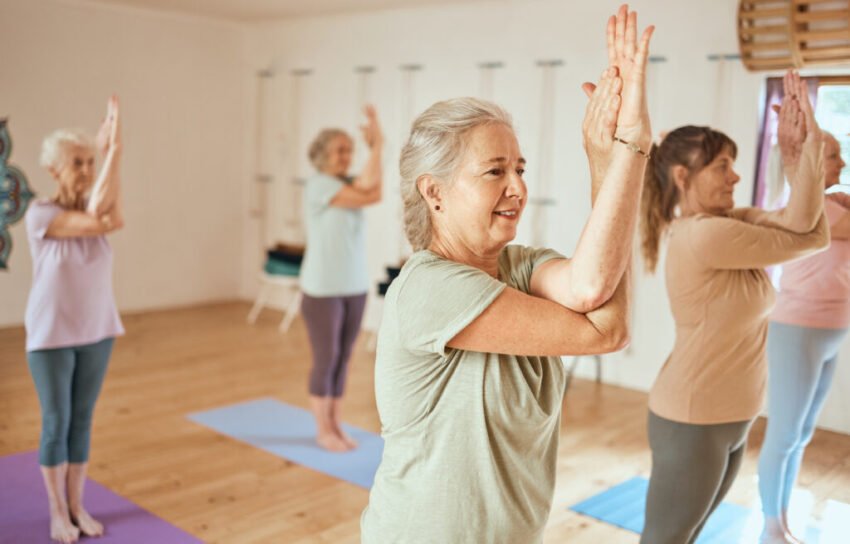
Staying active is one of the best things you can do as you get older. Regular exercise helps maintain muscle strength, improves balance, supports heart health, and keeps your joints moving well.
However, not every exercise is suitable for everyone. As we age, our bones, joints, muscles, and connective tissues naturally change. Movements that once felt easy may place extra stress on the body, especially if performed with poor form or without proper preparation.
That doesn’t mean you should stop exercising. It simply means choosing movements that match your fitness level and any medical conditions you may have.
Here are five exercises that may increase the risk of injury for some older adults—and safer alternatives to consider.
1. Heavy Barbell Squats
Squats are excellent for building leg strength, improving mobility, and supporting everyday activities like sitting and standing.
The problem isn’t the squat itself—it’s performing heavy barbell squats with poor technique or more weight than your body can safely handle.
Potential Risks
- Excess pressure on the knees
- Lower back strain
- Balance issues while lifting
- Increased risk of falls
People with arthritis, osteoporosis, or chronic back pain may need to modify this exercise.
Safer Alternatives
- Chair squats
- Bodyweight squats
- Goblet squats with a light dumbbell
- Leg press machine with moderate resistance
2. Deep Sit-Ups
Traditional sit-ups were once considered the gold standard for abdominal training, but they may not be ideal for everyone as they age.
Repeatedly bending the spine under load can increase stress on the neck and lower back, particularly in people with existing spinal issues.
Potential Risks
- Neck discomfort
- Lower back pain
- Hip flexor strain
Safer Alternatives
- Modified crunches
- Dead bugs
- Bird-dog exercise
- Planks (performed correctly and for an appropriate duration)
These exercises strengthen the core while placing less stress on the spine.
3. High-Impact Jumping Exercises
Exercises such as box jumps, jump squats, and repeated jumping movements can improve power and athletic performance.
However, they may not be suitable for older adults with reduced balance, arthritis, osteoporosis, or previous joint injuries.
Potential Risks
- Knee injuries
- Ankle sprains
- Falls
- Hip injuries
Safer Alternatives
- Walking
- Step-ups
- Low-impact aerobics
- Swimming
- Cycling
These activities improve cardiovascular fitness while reducing impact on the joints.
4. Behind-the-Neck Shoulder Presses
This exercise requires excellent shoulder mobility and stability.
Many adults gradually lose shoulder flexibility with age, making this movement uncomfortable or risky.
Potential Risks
- Shoulder impingement
- Rotator cuff irritation
- Neck strain
Safer Alternatives
- Front shoulder press
- Dumbbell shoulder press
- Resistance band shoulder exercises
- Lateral raises with light weights
These options strengthen the shoulders through a more comfortable range of motion.
5. Toe Touches With Straight Legs
Many people use standing toe touches to stretch their hamstrings.
Unfortunately, forcing this stretch while keeping the knees locked can place unnecessary stress on the lower back and hamstrings.
Potential Risks
- Muscle strains
- Lower back discomfort
- Balance problems
Safer Alternatives
- Seated hamstring stretches
- Gentle yoga stretches
- Dynamic warm-up movements
- Stretching with slightly bent knees
These variations improve flexibility while reducing strain.
General Exercise Tips for Older Adults
A safe fitness routine isn’t just about avoiding certain exercises—it’s about exercising wisely.
Keep these tips in mind:
- Warm up for 5–10 minutes before exercising.
- Focus on proper technique instead of heavy weights.
- Increase intensity gradually.
- Include strength training at least twice a week.
- Add balance exercises to help reduce the risk of falls.
- Stay hydrated before, during, and after workouts.
- Listen to your body and stop if you experience sharp pain, dizziness, or unusual discomfort.
- If you have osteoporosis, arthritis, heart disease, or another medical condition, consult your healthcare provider or a qualified physical therapist before starting a new exercise program.
The Bottom Line
Getting older doesn’t mean giving up exercise—it means exercising smarter.
Many movements that are perfectly safe for one person may not be appropriate for another, depending on age, mobility, fitness level, and medical history.
Rather than avoiding exercise altogether, focus on strength, flexibility, balance, and cardiovascular fitness using movements that feel comfortable and support your long-term health.
The best workout is one you can perform safely, consistently, and with good form. By making thoughtful choices today, you can stay active, independent, and healthy for years to come.