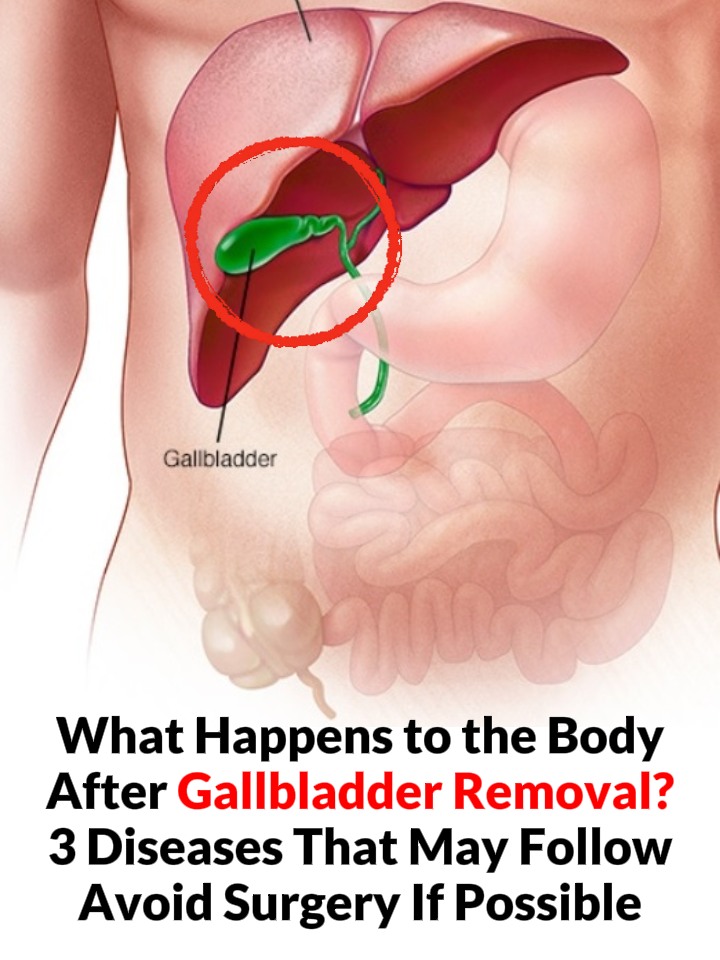
That headline is another fear-based clickbait framing. It implies that gallbladder removal is something you should “avoid when possible,” but in real medicine, the decision is very different: surgery is recommended when the risks of keeping the gallbladder are higher than removing it.
Let’s break it down clearly.
🏥 What the surgery actually is
Removal of the gallbladder is called cholecystectomy.
It is one of the most common and safest abdominal surgeries worldwide, usually done for:
- Gallstones causing pain
- Recurrent inflammation (cholecystitis)
- Blocked bile ducts
- Gallstone-related complications (pancreatitis, infection risk)
⚖️ The misleading idea in the title
The phrase “avoid surgery when possible” sounds sensible, but it ignores the key point:
👉 Doctors already avoid it unless it’s necessary.
If surgery is recommended, it usually means:
- Symptoms are recurring or severe
- Complications are already happening
- Non-surgical management is not safe long-term
So the real comparison is not:
“surgery vs. no surgery”
It’s:
“controlled surgical removal vs. repeated dangerous gallstone complications”
🧠 “3 conditions you could develop after removal” (what’s real vs exaggerated)
Online articles often list scary outcomes. Here’s the realistic medical view:
1. Post-cholecystectomy digestive changes
Some people experience:
- Loose stools
- Bloating
- Fatty food intolerance
Why?
- Bile now flows continuously into the intestine instead of being stored.
👉 In most people, this is mild and improves over time with diet adjustments.
2. Bile reflux or irritation (uncommon)
A small number may develop:
- Burning sensation in stomach
- Reflux-like symptoms
👉 This is manageable and not life-threatening in most cases.
3. Post-cholecystectomy syndrome (rare umbrella term)
Some patients report:
- Ongoing abdominal discomfort
- Digestive changes
Important detail:
👉 This is not one single disease, and often symptoms are due to other underlying GI conditions that were already present.
🚫 What these clickbait posts don’t tell you
They usually leave out the bigger risks of NOT doing surgery when it’s needed:
If gallstones are left untreated, they can cause:
- Severe gallbladder infection
- Blocked bile ducts
- Pancreatitis (can be dangerous)
- Emergency surgery (higher risk than planned surgery)
🧭 Reality check
- Most people live completely normal lives after gallbladder removal
- The body adapts to continuous bile flow
- Serious long-term complications are uncommon
👉 The surgery is not “optional” in many cases—it is preventing worse problems
🧠 Bottom line
- The headline is designed to scare, not inform
- Gallbladder removal is generally safe and medically justified when recommended
- Mild digestive changes can happen, but severe long-term issues are rare
- Avoiding necessary surgery often creates more risk, not less