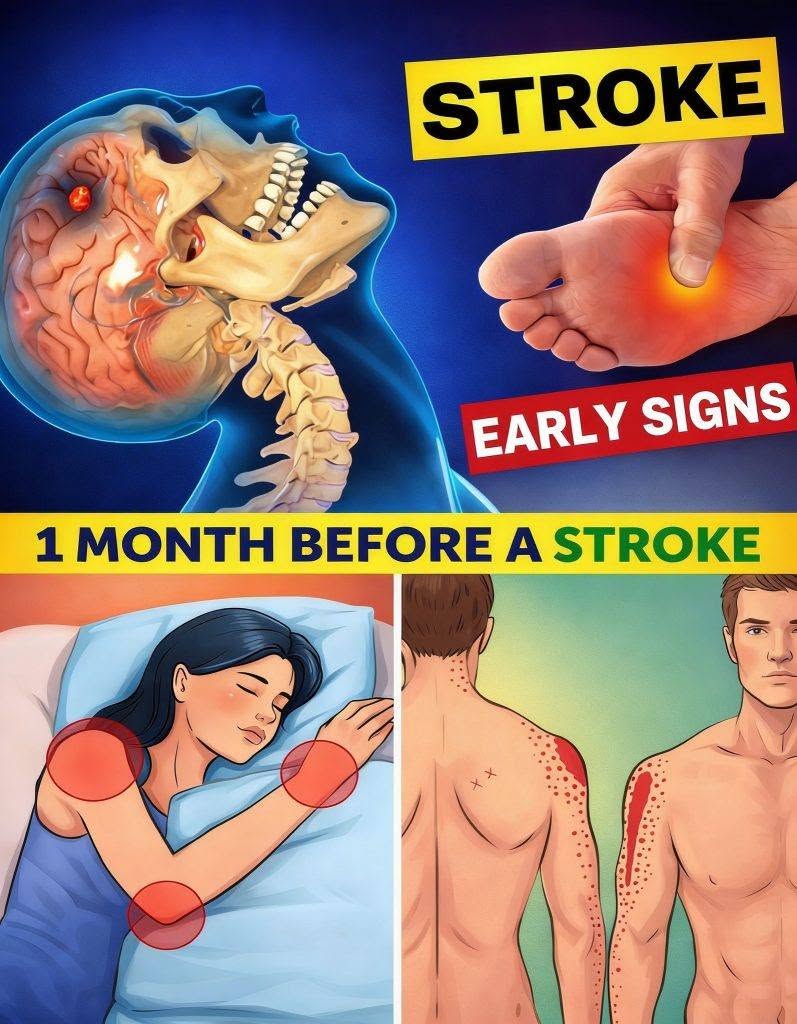
Learn the early warning signs that may appear before a stroke, including subtle changes in speech, vision, and balance, plus practical tips to help reduce stroke risk through lifestyle and medical prevention.
Understanding Stroke Warning Signs
A stroke happens when blood flow to part of the brain is interrupted, depriving brain cells of oxygen. The condition requires immediate medical attention, but in some cases, the body may show warning signs days or even weeks before a major event.
These early signals are often linked to a temporary blockage or reduced blood flow, sometimes called a “mini-stroke” or Transient ischemic attack (TIA).
8 Possible Warning Signs Before a Stroke
1. Sudden Weakness or Numbness
One of the most common early signs is weakness or numbness, usually on one side of the body:
- Face drooping
- Arm weakness
- Leg heaviness
Even if it comes and goes, it should never be ignored.
2. Trouble Speaking or Understanding Speech
You may notice:
- Slurred speech
- Difficulty finding words
- Confusion when speaking or listening
This may indicate reduced blood flow to language centers in the brain.
3. Sudden Vision Problems
Changes in vision may include:
- Blurred vision
- Double vision
- Loss of vision in one eye
These symptoms can appear suddenly and temporarily.
4. Dizziness or Loss of Balance
You may feel:
- Unsteady while walking
- Vertigo or spinning sensation
- Difficulty coordinating movements
5. Severe or Unusual Headache
A sudden, intense headache with no clear cause may be a warning sign, especially if it feels different from usual headaches.
6. Confusion or Memory Issues
Some people experience:
- Trouble concentrating
- Short-term memory lapses
- Sudden confusion about time or place
7. Fatigue or Unexplained Weakness
Unusual tiredness that appears suddenly and doesn’t improve with rest may occur in the days or weeks before a stroke.
8. Tingling Sensations
A tingling or “pins and needles” feeling, especially on one side of the body, can indicate nerve or circulation issues.
Important Note
These symptoms may also occur with other conditions. However, if they are sudden, recurring, or worsening, immediate medical evaluation is essential.
9 Tips to Help Prevent Stroke
1. Control Blood Pressure
High blood pressure is the leading risk factor for stroke. Regular monitoring and medication (if prescribed) are essential.
2. Manage Blood Sugar Levels
Diabetes increases stroke risk by damaging blood vessels.
3. Eat a Heart-Healthy Diet
Focus on:
- Fruits and vegetables
- Whole grains
- Lean proteins
- Low salt intake
Avoid processed and fried foods when possible.
4. Exercise Regularly
Aim for at least 30 minutes of moderate activity most days of the week:
- Walking
- Cycling
- Swimming
5. Quit Smoking
Smoking damages blood vessels and significantly increases stroke risk.
6. Limit Alcohol Intake
Excess alcohol can raise blood pressure and contribute to irregular heart rhythms.
7. Maintain a Healthy Weight
Obesity increases the risk of high blood pressure, diabetes, and heart disease.
8. Manage Stress
Chronic stress may contribute to unhealthy habits and elevated blood pressure.
Helpful methods include:
- Deep breathing
- Meditation
- Regular sleep
9. Get Regular Medical Checkups
Routine screenings help detect:
- High blood pressure
- High cholesterol
- Heart rhythm problems
Early treatment can prevent serious complications.
When to Seek Emergency Help
Call emergency services immediately if you notice:
- Face drooping
- Arm weakness
- Speech difficulty
This is often remembered as the FAST rule:
- Face
- Arm
- Speech
- Time
Final Thoughts
Stroke warning signs may sometimes appear before a major event, especially in the form of temporary neurological symptoms. Recognizing these early changes and acting quickly can be life-saving. Combined with healthy lifestyle habits and medical care, stroke risk can often be significantly reduced.