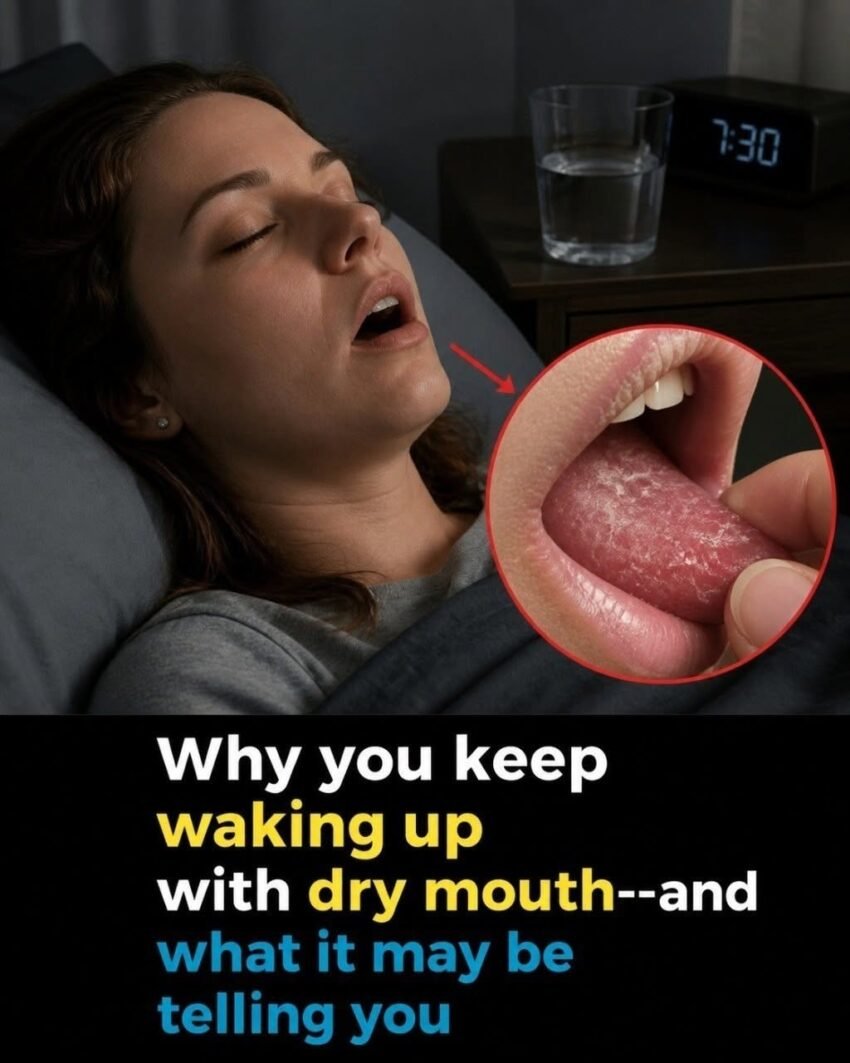
Have you ever woken up feeling like your mouth is as dry as sandpaper? Maybe your tongue sticks to the roof of your mouth, your lips feel cracked, or you immediately reach for a glass of water. While occasional dry mouth isn’t usually a cause for concern, waking up with it regularly could be your body’s way of signaling that something needs attention.
Waking Up With a Dry Mouth? Here’s What Your Body Might Be Telling You
Dry mouth, medically known as xerostomia, occurs when your salivary glands don’t produce enough saliva. Saliva does much more than keep your mouth moist—it helps digest food, protects your teeth from decay, washes away bacteria, and prevents infections. When saliva production decreases, your oral health and overall well-being can be affected.
Let’s explore the common causes, symptoms, potential health risks, and ways to prevent waking up with a dry mouth.
Why Do We Need Saliva?
Saliva plays a vital role in maintaining oral and overall health. It:
- Keeps the mouth moist and comfortable.
- Helps chew and swallow food.
- Aids in digestion.
- Neutralizes acids that damage tooth enamel.
- Washes away food particles and harmful bacteria.
- Prevents bad breath.
- Supports healthy gums and teeth.
When saliva production drops, your mouth loses many of these protective benefits.
Common Causes of Waking Up With a Dry Mouth
1. Dehydration
One of the most common causes of dry mouth is simply not drinking enough water.
You may become dehydrated if you:
- Don’t drink enough fluids during the day.
- Exercise intensely without replacing lost fluids.
- Experience vomiting or diarrhea.
- Spend time in hot weather.
- Drink excessive alcohol.
What to do: Aim for consistent hydration throughout the day rather than drinking large amounts just before bed.
2. Sleeping With Your Mouth Open
Many people unknowingly sleep with their mouths open.
This often happens because of:
- Nasal congestion
- Allergies
- A deviated nasal septum
- Habitual mouth breathing
When air continuously passes through your mouth during sleep, it dries out the tissues and reduces moisture.
3. Snoring or Sleep Apnea
Frequent snoring and obstructive sleep apnea often lead to mouth breathing during sleep.
Signs of sleep apnea include:
- Loud snoring
- Pauses in breathing
- Gasping during sleep
- Morning headaches
- Daytime fatigue
- Difficulty concentrating
Persistent dry mouth combined with these symptoms should be evaluated by a healthcare professional.
4. Medications
Hundreds of medications list dry mouth as a side effect.
Common examples include medications for:
- High blood pressure
- Depression
- Anxiety
- Allergies
- Colds
- Asthma
- Pain relief
- Muscle relaxation
If your dry mouth began after starting a new medication, speak with your healthcare provider before making any changes.
5. Diabetes
Dry mouth can sometimes be associated with uncontrolled blood sugar levels.
Other symptoms may include:
- Frequent urination
- Increased thirst
- Blurred vision
- Slow wound healing
- Fatigue
- Unexplained weight loss
If dry mouth is accompanied by these symptoms, medical evaluation is recommended.
6. Stress and Anxiety
Emotional stress activates the body’s “fight or flight” response, which can temporarily reduce saliva production.
People experiencing anxiety often notice:
- Dry mouth
- Tight jaw
- Teeth grinding
- Difficulty sleeping
Managing stress may improve symptoms.
7. Aging
As people age, dry mouth becomes more common—not simply because of aging itself, but because older adults often:
- Take multiple medications
- Have chronic medical conditions
- Experience reduced salivary gland function
8. Smoking and Tobacco Use
Smoking irritates the mouth and reduces saliva production.
Tobacco users may also experience:
- Persistent bad breath
- Gum disease
- Tooth discoloration
- Increased risk of oral infections
9. Alcohol and Caffeine
Both alcohol and excessive caffeine can contribute to dehydration and worsen dry mouth, especially when consumed close to bedtime.
10. Medical Conditions
Several health conditions can reduce saliva production, including:
- Sjögren’s syndrome
- Parkinson’s disease
- Alzheimer’s disease
- Stroke
- Rheumatoid arthritis
- HIV/AIDS
Radiation therapy for head and neck cancers may also permanently affect the salivary glands.
Symptoms That Often Accompany Dry Mouth
Besides waking up thirsty, you may notice:
- Sticky feeling in the mouth
- Thick or stringy saliva
- Bad breath
- Cracked lips
- Dry throat
- Difficulty swallowing
- Hoarse voice
- Burning sensation on the tongue
- Mouth sores
- Difficulty speaking
- Changes in taste
Why You Shouldn’t Ignore Chronic Dry Mouth
Long-term dry mouth can lead to several oral health problems.
Tooth Decay
Without enough saliva, acids and bacteria remain on your teeth longer, increasing the risk of cavities.
Gum Disease
Dry tissues are more vulnerable to inflammation and infection.
Bad Breath
Reduced saliva allows odor-causing bacteria to multiply.
Oral Thrush
Dry mouth increases the risk of fungal infections, especially those caused by Candida.
Difficulty Eating and Speaking
Persistent dryness can make chewing, swallowing, and speaking uncomfortable.
How to Prevent Waking Up With a Dry Mouth
Stay Hydrated
Drink water consistently throughout the day. Keep a glass of water beside your bed if needed.
Improve Bedroom Humidity
A humidifier adds moisture to the air and may help reduce overnight dryness, especially in winter or dry climates.
Breathe Through Your Nose
If nasal congestion is causing mouth breathing:
- Treat allergies if appropriate.
- Use saline nasal sprays.
- Seek medical advice for persistent nasal blockage.
Limit Alcohol and Caffeine Before Bed
Reducing evening consumption may improve overnight hydration.
Quit Smoking
Stopping tobacco use benefits not only your mouth but also your heart, lungs, and overall health.
Maintain Good Oral Hygiene
Brush twice daily with fluoride toothpaste.
Don’t forget to:
- Floss every day.
- Clean your tongue.
- Visit your dentist regularly.
Good oral care reduces complications associated with dry mouth.
Chew Sugar-Free Gum
Sugar-free gum or lozenges containing xylitol can stimulate saliva production during the day.
Review Your Medications
If medication is contributing to dry mouth, discuss possible alternatives or dosage adjustments with your healthcare provider. Never stop prescribed medication without medical guidance.
When Should You See a Doctor?
Occasional dry mouth after a hot day or poor night’s sleep is usually harmless.
However, seek medical advice if:
- Dry mouth lasts for several weeks.
- You’re having trouble swallowing.
- You notice frequent cavities.
- You develop mouth sores that don’t heal.
- You have persistent bad breath despite good oral hygiene.
- You experience excessive thirst and frequent urination.
- Dry mouth is accompanied by loud snoring or breathing pauses during sleep.
Frequently Asked Questions
Is waking up with a dry mouth normal?
Occasionally, yes. Regular or persistent dry mouth is worth investigating because it may indicate dehydration, mouth breathing, medication side effects, or an underlying medical condition.
Can dry mouth damage my teeth?
Yes. Saliva protects teeth from bacteria and acid. Chronic dry mouth increases the risk of cavities, gum disease, and enamel erosion.
Does drinking water cure dry mouth?
Water provides temporary relief, but it won’t solve the problem if the underlying cause is medication, sleep apnea, diabetes, or another health condition.
Can dry mouth be a sign of diabetes?
It can be one possible symptom, especially when accompanied by increased thirst, frequent urination, blurred vision, or unexplained fatigue. A healthcare professional can evaluate these symptoms.
Final Thoughts
Waking up with a dry mouth may seem like a minor inconvenience, but persistent symptoms can be an early warning sign that deserves attention. From simple dehydration and mouth breathing to medication side effects and underlying medical conditions, there are many possible causes.
The good news is that many cases can be improved through healthy habits such as staying hydrated, practicing good oral hygiene, avoiding tobacco, and addressing sleep or nasal breathing issues. If dry mouth continues despite these measures—or if it comes with other concerning symptoms—consult a healthcare professional or dentist for a thorough evaluation. Early attention can help protect both your oral health and your overall well-being.