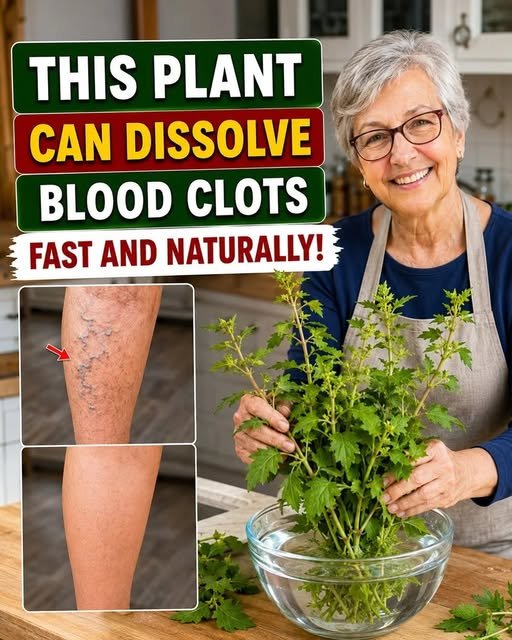
Blood clots that form in the deep veins of the legs—known as deep vein thrombosis (DVT)—are a serious medical condition. If part of a clot breaks free and travels to the lungs, it can cause a pulmonary embolism, which is a medical emergency.
Because of this risk, it’s important to be cautious about articles claiming that herbs can “dissolve” or “cure” dangerous blood clots. There is no high-quality evidence that any herb can safely replace medical treatment for an existing DVT.
Some herbs and foods are being studied for their effects on circulation or inflammation, but they should never be used instead of prescribed treatment.
Symptoms You Should Never Ignore
Possible symptoms of DVT include:
- Swelling in one leg
- Pain or tenderness, often in the calf
- Warmth over the affected area
- Redness or skin discoloration
- Enlarged surface veins
Seek emergency medical care immediately if these symptoms are accompanied by:
- Sudden shortness of breath
- Chest pain
- Coughing up blood
- Fainting
These may be signs of a pulmonary embolism.
Risk Factors
Factors that increase the risk include:
- Long periods of immobility (such as long flights or bed rest)
- Recent surgery or injury
- Pregnancy and the postpartum period
- Smoking
- Obesity
- Increasing age
- Certain cancers
- Hormone therapy or some birth control medications
- A personal or family history of blood clots
What About Herbs?
Several herbs have been researched for their effects on circulation or cardiovascular health, but none have been proven to treat an existing blood clot.
Examples include:
- Turmeric (Curcuma longa) – Contains curcumin, which has anti-inflammatory properties in laboratory and clinical studies. It has not been shown to treat DVT.
- Ginger (Zingiber officinale) – Studied for anti-inflammatory effects, but not as a treatment for leg blood clots.
- Garlic (Allium sativum) – May have modest cardiovascular effects in some studies, but it does not replace anticoagulant medication.
- Ginkgo (Ginkgo biloba) – Sometimes marketed for circulation, but it can increase bleeding risk, especially when combined with blood-thinning medicines.
Important: Many herbs can interact with anticoagulants (blood thinners) such as warfarin, apixaban, rivaroxaban, or dabigatran. Always talk to your healthcare provider before taking herbal supplements if you have a clot or are taking blood-thinning medication.
Evidence-Based Treatment
Treatment for DVT may include:
- Prescription anticoagulant (blood-thinning) medications
- Compression stockings for selected patients
- Early, appropriate movement as advised by a healthcare professional
- Regular follow-up care
The goal is to prevent the clot from growing and reduce the risk of pulmonary embolism.
Supporting Vascular Health
While herbs cannot treat a dangerous clot, healthy lifestyle habits can support overall cardiovascular health:
- Stay physically active if medically appropriate.
- Avoid smoking.
- Maintain a healthy weight.
- Stay hydrated.
- Eat a balanced diet rich in fruits, vegetables, whole grains, and healthy fats.
- Stand up and move regularly during long trips.
Frequently Asked Questions
Can herbs dissolve blood clots?
No herb has been proven to safely dissolve an existing deep vein thrombosis.
Should I stop my blood thinner if I take herbal supplements?
No. Never stop prescribed anticoagulants without medical advice.
Can herbs interact with blood-thinning medication?
Yes. Some herbal products may increase bleeding risk or affect how medications work.
Final Thoughts
Deep vein thrombosis is a medical condition that requires prompt diagnosis and appropriate treatment. While some herbs are being studied for their role in overall cardiovascular health, they should not be relied upon to treat or dissolve dangerous blood clots. If you notice symptoms of a possible DVT, seek medical evaluation as soon as possible. Early treatment can be lifesaving.