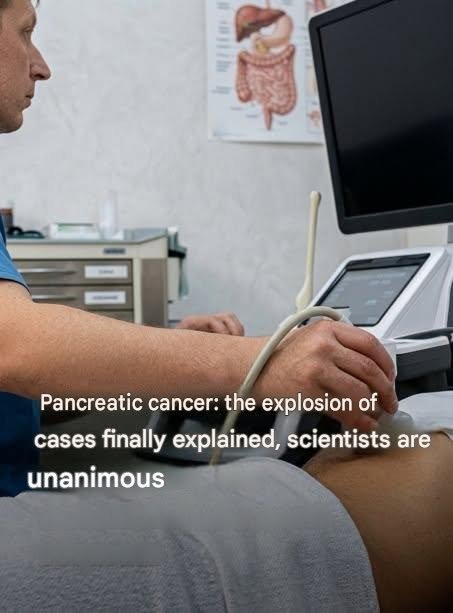
Pancreatic cancer has become one of the world’s most concerning cancers due to its increasing incidence and high mortality rate. Despite advances in cancer treatment, it remains difficult to detect early, and many cases are diagnosed only after the disease has spread beyond the pancreas.
Researchers are now investigating why pancreatic cancer appears to be becoming more common in many countries. While established risk factors such as smoking, obesity, diabetes, and aging remain important, scientists are also exploring less obvious biological pathways—including the role of chronic inflammation, the gut microbiome, genetic mutations, environmental exposures, and metabolic changes—to better understand how the disease develops.
Here’s what current research tells us about these emerging areas and what they could mean for future prevention and treatment.
What Is Pancreatic Cancer?
The pancreas is a gland located behind the stomach that has two primary functions:
- Producing digestive enzymes that help break down food.
- Producing hormones such as insulin and glucagon, which regulate blood sugar.
The most common type of pancreatic cancer is pancreatic ductal adenocarcinoma (PDAC), accounting for about 90% of cases. It begins in the ducts that carry digestive enzymes and is known for growing silently in its early stages.
Why Are Cases Increasing?
Researchers believe there is no single explanation for the rise in pancreatic cancer. Instead, multiple factors are likely contributing.
1. Aging Populations
Since pancreatic cancer is most common in adults over age 60, longer life expectancy naturally leads to more diagnoses.
2. Rising Obesity Rates
Obesity is one of the strongest modifiable risk factors.
Excess body fat can contribute to:
- Chronic inflammation
- Insulin resistance
- Hormonal changes
- Increased cell growth signals
These changes may create an environment that promotes cancer development.
3. Type 2 Diabetes
The relationship between diabetes and pancreatic cancer is complex.
- Long-standing type 2 diabetes modestly increases the risk.
- New-onset diabetes, particularly in older adults without an obvious cause, can sometimes be an early sign of pancreatic cancer.
Researchers continue to study how changes in blood sugar and insulin levels influence tumor development.
Scientists Are Exploring New Biological Pathways
In recent years, research has expanded beyond traditional risk factors to investigate unexpected mechanisms that may contribute to pancreatic cancer.
Chronic Inflammation
Persistent inflammation can damage cells over time.
Conditions such as chronic pancreatitis are known to increase pancreatic cancer risk because repeated inflammation may lead to DNA damage and abnormal cell growth.
Researchers are studying inflammatory molecules that could become future treatment targets.
The Gut Microbiome
The human digestive system contains trillions of bacteria collectively known as the microbiome.
Scientists are investigating whether changes in gut and pancreatic bacteria might:
- Influence immune responses
- Promote inflammation
- Affect cancer growth
- Alter treatment responses
While promising, this field is still evolving, and more studies are needed before microbiome-based therapies become standard care.
Genetic Mutations
Pancreatic cancer often develops after a series of genetic changes accumulate over time.
Commonly affected genes include:
- KRAS
- TP53
- CDKN2A
- SMAD4
Researchers are also identifying inherited gene mutations that increase risk, including mutations in BRCA1, BRCA2, PALB2, and others. These discoveries are improving genetic testing and helping identify people who may benefit from enhanced screening.
Immune System Interactions
Unlike some cancers, pancreatic tumors create a dense tissue environment that makes it difficult for immune cells to attack cancer.
Scientists are studying:
- Immune checkpoint therapies
- Cancer vaccines
- Combination immunotherapies
- Treatments that alter the tumor’s surrounding tissue
The goal is to make pancreatic tumors more responsive to the body’s immune defenses.
Environmental and Lifestyle Factors
Researchers are also examining whether long-term exposure to certain environmental factors contributes to risk.
Potential contributors include:
- Cigarette smoking (a well-established risk factor)
- Heavy alcohol use, which can contribute to chronic pancreatitis
- Certain workplace chemical exposures
- Diets high in processed meats and low in fruits and vegetables
The evidence for some environmental exposures is still being investigated.
Early Symptoms Can Be Easy to Miss
Pancreatic cancer often causes few symptoms in its early stages.
Possible warning signs include:
- Persistent upper abdominal pain
- Pain that radiates to the back
- Unexplained weight loss
- Loss of appetite
- Yellowing of the skin or eyes (jaundice)
- Dark urine
- Pale stools
- Fatigue
- New-onset diabetes, especially after age 50
These symptoms can also be caused by many non-cancerous conditions, but they should be evaluated by a healthcare professional if they persist.
Why Early Detection Is Difficult
Unlike breast, cervical, or colorectal cancer, there is currently no routine screening test recommended for the general population for pancreatic cancer.
The pancreas is located deep inside the abdomen, making early tumors difficult to detect through physical examination.
Researchers are working on:
- Blood-based biomarkers
- Liquid biopsy technologies
- Advanced imaging techniques
- Artificial intelligence-assisted diagnostic tools
These approaches aim to identify the disease before symptoms develop.
Advances in Treatment
Treatment depends on the stage of the cancer.
Options may include:
Surgery
If the cancer is found early and remains localized, surgery offers the best chance for long-term survival.
Chemotherapy
Chemotherapy may be used:
- Before surgery to shrink tumors
- After surgery to reduce recurrence risk
- For advanced disease
Radiation Therapy
Radiation may be combined with chemotherapy in selected patients.
Targeted Therapy
Some patients with specific genetic mutations may benefit from targeted medications that attack cancer cells while sparing healthy tissue.
Clinical Trials
Researchers continue to evaluate:
- Personalized medicine
- Immunotherapy combinations
- Novel targeted drugs
- Experimental vaccines
- Gene-based therapies
Participation in clinical trials may provide access to promising new treatments.
Can Pancreatic Cancer Be Prevented?
Although not all cases can be prevented, healthy lifestyle choices may reduce risk.
These include:
- Avoiding smoking
- Maintaining a healthy weight
- Exercising regularly
- Limiting alcohol consumption
- Eating a balanced diet rich in fruits, vegetables, whole grains, and lean proteins
- Managing diabetes under medical guidance
People with a strong family history of pancreatic cancer or inherited genetic syndromes may benefit from genetic counseling and specialized screening programs.
Frequently Asked Questions
Is pancreatic cancer becoming more common?
Yes. Many countries have reported increasing incidence over recent decades. Researchers believe aging populations, rising obesity rates, diabetes, and other factors all contribute to this trend.
Can pancreatic cancer be cured?
If detected at an early stage and treated surgically, some patients can achieve long-term survival. However, many cases are diagnosed after the disease has spread, making treatment more challenging.
Who is at highest risk?
Risk is higher in older adults, smokers, people with obesity, chronic pancreatitis, long-standing type 2 diabetes, and those with certain inherited genetic mutations or a strong family history.
Are scientists close to finding better screening tests?
Researchers are making progress in developing blood tests, imaging techniques, and biomarker-based screening methods, but no routine screening test is currently recommended for the general population.
Final Thoughts
Pancreatic cancer remains one of the most difficult cancers to detect and treat, but scientific understanding of the disease is expanding rapidly. Alongside established risk factors like smoking, obesity, diabetes, and aging, researchers are uncovering new insights into the roles of chronic inflammation, the gut microbiome, genetics, and immune system interactions.
While these discoveries are promising, many are still under investigation and have not yet changed standard clinical practice. Continued research offers hope for earlier detection, more effective treatments, and improved outcomes for people affected by this challenging disease. If you experience persistent symptoms or have a strong family history of pancreatic cancer, consulting a healthcare professional can help determine whether further evaluation or genetic counseling is appropriate.