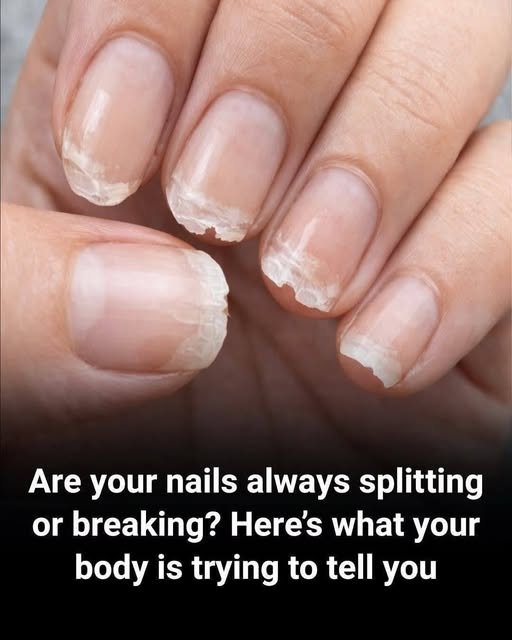
Have your nails started breaking, peeling, splitting, or cracking more easily than they used to? If so, you’re not alone. Brittle or fragile nails are one of the most common nail concerns, affecting millions of people worldwide.
While brittle nails are often harmless and linked to everyday habits such as frequent handwashing or aging, they can sometimes signal an underlying issue like a nutritional deficiency, thyroid disorder, or skin condition.
Your nails are more than a cosmetic feature—they can provide valuable clues about your overall health. Although changes in your nails alone cannot diagnose a medical condition, paying attention to persistent changes may help you recognize when it’s time to seek professional advice.
In this guide, we’ll explore what causes brittle nails, what they may reveal about your health, and practical ways to improve nail strength naturally.
What Are Brittle Nails?
Healthy nails are smooth, flexible, and strong. Brittle nails lose their normal structure and may become:
- Thin
- Dry
- Rough
- Easy to split
- Prone to cracking
- Peeling at the tips
- Breaking with minimal pressure
Doctors often describe brittle nails as onychoschizia (layered splitting) or onychorrhexis (longitudinal ridging and splitting), depending on the pattern of damage.
How Nails Grow
Understanding nail growth helps explain why changes develop slowly.
Each fingernail grows from a specialized area beneath the skin called the nail matrix. New cells form here and gradually push older cells forward.
A complete fingernail usually takes 4 to 6 months to grow from the cuticle to the tip.
Because nails grow slowly, changes you notice today may actually reflect events or health changes from several months ago.
Common Signs of Brittle Nails
Symptoms may include:
- Nails that snap easily
- Peeling layers
- Long vertical splits
- Rough texture
- Thin nail edges
- Difficulty growing long nails
- Nails that bend instead of staying firm
These symptoms may affect one nail or several.
1. Aging: The Most Common Cause
As we age, our nails naturally change.
After age 40 or 50, many people notice:
- Slower nail growth
- Less moisture
- Increased ridging
- Greater brittleness
This occurs because natural oil production decreases, causing nails to lose flexibility.
Fortunately, gentle nail care and regular moisturizing can help reduce dryness.
2. Frequent Exposure to Water
One of the most overlooked causes of brittle nails is repeated exposure to water.
Ironically, nails absorb water easily.
Repeated cycles of:
- Wetting
- Drying
- Washing
cause nails to repeatedly expand and contract, weakening their structure over time.
People at higher risk include:
- Healthcare workers
- Hairdressers
- Cleaners
- Food service workers
- Homemakers who wash dishes frequently
3. Harsh Cleaning Products
Many household cleaning chemicals contain ingredients that strip away natural oils.
Examples include:
- Bleach
- Strong detergents
- Solvents
- Disinfectants
Always wear protective gloves when cleaning to reduce direct exposure.
4. Nutritional Deficiencies
Healthy nails require a variety of nutrients.
Deficiencies don’t always cause brittle nails, but they can contribute.
Important nutrients include:
Iron
Low iron levels may contribute to:
- Thin nails
- Spoon-shaped nails
- Weakness
- Fatigue
Protein
Since nails are made primarily of keratin, adequate protein intake is important.
Zinc
Zinc supports tissue repair and healthy nail growth.
Vitamin B12
Vitamin B12 plays a role in healthy cell production.
Biotin
Biotin supplements are often marketed for nail health, but evidence suggests they may only help certain people, particularly those with a true deficiency. Routine supplementation is not necessary for everyone.
5. Thyroid Disorders
An underactive thyroid (hypothyroidism) may affect:
- Hair
- Skin
- Nails
People with hypothyroidism sometimes notice:
- Dry nails
- Slow growth
- Increased brittleness
Because many symptoms overlap with other conditions, diagnosis requires medical evaluation and blood tests.
6. Skin Conditions
Several skin disorders can affect the nails.
Examples include:
Psoriasis
May cause:
- Pitting
- Thickening
- Separation from the nail bed
Eczema
Can contribute to dry, damaged nails due to inflammation and frequent scratching.
7. Fungal Nail Infections
Fungal infections often cause:
- Thick nails
- Yellow discoloration
- Crumbling edges
- Brittle texture
Treatment may require prescription medication, as over-the-counter products are not always effective.
8. Nail Trauma
Repeated injury can weaken nails.
Common examples include:
- Aggressive manicures
- Nail biting
- Picking at cuticles
- Typing with long nails
- Sports injuries
Even small repeated injuries can damage the nail matrix.
9. Excessive Use of Nail Cosmetics
Frequent use of:
- Gel manicures
- Acrylic nails
- Nail glue
- Strong polish removers
may leave nails dry or weakened.
Giving your nails occasional breaks between cosmetic treatments may help.
What Your Nails May Be Trying to Tell You
While brittle nails alone rarely point to one specific illness, they may suggest that it’s worth reviewing your overall health.
Consider:
- Are you eating a balanced diet?
- Have you been unusually tired?
- Are your hands constantly exposed to water?
- Have your nails changed suddenly?
- Do you have other symptoms like hair loss or weight changes?
Looking at the bigger picture is more useful than focusing on your nails alone.
How to Strengthen Brittle Nails Naturally
Moisturize Daily
Apply hand cream or cuticle oil after washing your hands.
Keeping nails hydrated helps improve flexibility.
Wear Gloves
Protect your hands during:
- Dishwashing
- Cleaning
- Gardening
This reduces exposure to water and chemicals.
Eat a Balanced Diet
Include foods rich in:
- Lean protein
- Eggs
- Fish
- Dairy products
- Beans
- Nuts
- Leafy green vegetables
- Whole grains
Good nutrition supports healthy nail growth over time.
Stay Hydrated
Drinking enough fluids supports overall skin and nail health.
Trim Nails Regularly
Keeping nails shorter may reduce splitting and accidental breakage.
Use clean, sharp nail clippers and file rough edges gently in one direction.
Avoid Using Nails as Tools
Opening cans, scraping labels, or prying objects with your nails increases the risk of cracks and splits.
When Should You See a Doctor?
Seek medical advice if:
- Nail changes appear suddenly
- Only one nail is affected without an obvious injury
- Nails become painful
- Thick yellow nails suggest infection
- Brittle nails are accompanied by fatigue, weight changes, or other concerning symptoms
- Home care doesn’t improve your nails after several months
A healthcare provider may recommend blood tests or evaluate for underlying conditions if needed.
Frequently Asked Questions
Are brittle nails a sign of vitamin deficiency?
Sometimes, but not always. Brittle nails can have many causes, including aging, repeated water exposure, skin conditions, thyroid disorders, or nutritional deficiencies. A medical evaluation may be needed to determine the cause.
Can drinking more water strengthen nails?
Hydration supports overall health, but brittle nails usually improve more from protecting them against repeated wetting and drying than from drinking excessive amounts of water alone.
Does collagen help brittle nails?
Some studies suggest collagen supplements may improve nail growth and reduce breakage in certain individuals, but research is still evolving. Speak with your healthcare provider before starting supplements.
How long does it take for nails to recover?
Because fingernails grow slowly, noticeable improvement may take 4–6 months, depending on the cause.
Daily Habits for Healthier Nails
Follow these simple habits:
- Moisturize after washing your hands.
- Wear gloves during household chores.
- Eat protein-rich meals.
- Include iron-rich and vitamin-rich foods in your diet.
- Avoid biting your nails.
- Trim nails regularly.
- Limit harsh nail products.
- Stay physically active and maintain overall health.
Consistency is the key to stronger nails.
Final Thoughts
Brittle or fragile nails are extremely common and, in many cases, are linked to aging or everyday habits rather than serious illness. However, persistent changes can sometimes point to nutritional deficiencies, thyroid disorders, skin conditions, or other health issues that deserve attention.
The good news is that healthy nails often begin with healthy habits. Protecting your hands, eating a balanced diet, moisturizing regularly, and seeking medical advice for unexplained changes can all help improve nail strength over time.
Remember, your nails are only one piece of your overall health puzzle. Instead of relying on them to diagnose a condition, use them as a reminder to care for your body from the inside out. With patience and consistent care, stronger, healthier nails are an achievable goal for many people.