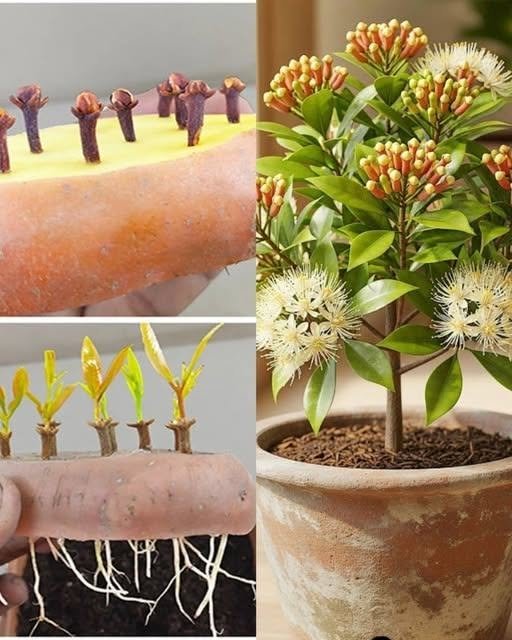
Carnations are one of the most beloved garden flowers in the world, known for their ruffled petals, sweet fragrance, and wide range of colors. Whether you have a large backyard, a small balcony, or just a sunny windowsill, carnations can be a rewarding plant for beginners.
With the right care, these cheerful flowers can bloom repeatedly and bring beauty to your home for years.
Why Grow Carnations at Home?
Carnations are popular among gardeners because they are:
🌸 Beautiful and colorful – Available in shades of pink, red, white, purple, and mixed colors.
🌸 Long-lasting – Cut carnations can stay fresh in a vase for many days.
🌸 Beginner-friendly – They are relatively easy to grow with basic care.
🌸 Versatile – They can grow in gardens, containers, and raised beds.
Choosing the Right Carnation Variety
Before planting, choose a variety that suits your space.
Border Carnations
These are compact plants that work well in home gardens and containers.
Perpetual Flowering Carnations
These varieties can produce flowers over a longer season and are popular for cut flowers.
Mini Carnations
Perfect for pots, balconies, and smaller spaces.
The Best Growing Conditions
Carnations love sunlight and well-drained soil.
Sunlight
Provide:
- 5–6 hours of direct sunlight daily
- A bright location with good air circulation
Too much shade can result in fewer flowers and weaker stems.
Soil
Carnations prefer:
- Loose, well-draining soil
- Slightly alkaline to neutral soil
- Compost mixed into the planting area for nutrients
Avoid soil that stays wet for long periods, as excess moisture can damage the roots.
How to Plant Carnations
Growing From Seeds
- Start seeds indoors or directly in the garden.
- Sprinkle seeds lightly over moist soil.
- Cover with a thin layer of soil.
- Keep the soil slightly moist.
- Transplant young plants once they are strong enough.
Growing From Cuttings
Many gardeners prefer cuttings because they produce flowers faster.
Steps:
- Take a healthy stem cutting.
- Remove lower leaves.
- Place it in moist soil or a rooting medium.
- Keep it in bright, indirect light.
- Once roots develop, move it to its permanent location.
Watering Your Carnations
Carnations do not like soggy roots.
A good routine:
✔ Water deeply when the top layer of soil feels dry
✔ Avoid watering the leaves frequently
✔ Water near the base of the plant
During hot weather, containers may need more frequent watering.
Feeding for More Flowers
To encourage healthy blooms:
- Add compost before planting
- Use a balanced flower fertilizer during the growing season
- Avoid too much nitrogen, which can encourage leaves instead of flowers
Pruning and Maintenance Tips
Regular care helps carnations stay healthy.
Remove Old Flowers
Cut off faded blooms to encourage new flowers.
Trim Dead Leaves
Remove damaged or yellowing leaves to improve airflow.
Support Tall Varieties
Some carnations may need gentle support to keep stems upright.
Common Carnation Problems
Yellow Leaves
Possible causes:
- Too much water
- Poor drainage
- Nutrient problems
Fewer Flowers
Possible causes:
- Not enough sunlight
- Over-fertilizing
- Lack of pruning
Pests
Carnations may attract:
- Aphids
- Spider mites
- Thrips
Regularly checking leaves can help catch problems early.
Growing Carnations in Pots
Carnations grow very well in containers.
Choose:
- A pot with drainage holes
- Quality potting soil
- A sunny location
A container garden can be a beautiful way to enjoy carnations even without a large outdoor space.
Tips for Longer-Lasting Cut Carnations
When cutting flowers:
🌺 Cut stems early in the morning
🌺 Use clean scissors
🌺 Remove leaves below the water line
🌺 Change vase water regularly
Final Thoughts
Growing carnations at home is a simple and enjoyable gardening project. With sunlight, well-draining soil, proper watering, and a little patience, even beginners can enjoy beautiful blooms throughout the growing season.
A few carefully planted carnations can transform a small space into a colorful, fragrant garden — proving that you don’t need a huge yard to grow something beautiful.