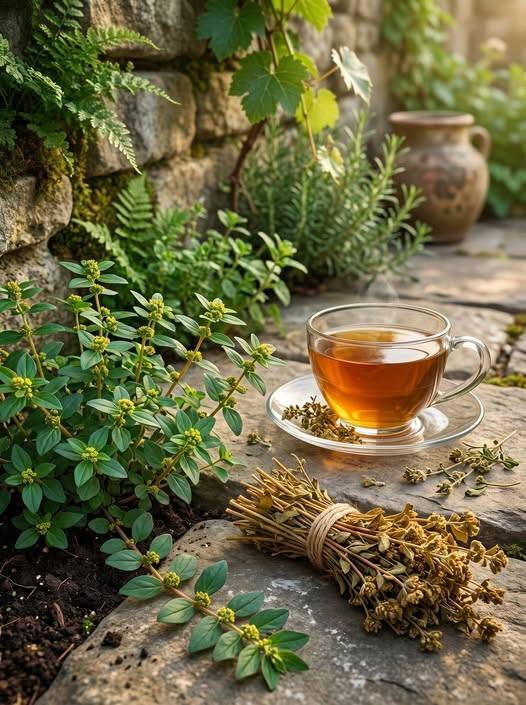
Having This Plant in Your Yard May Be More Valuable Than You Realize
Every so often, a social media post claims that a common plant growing in your yard is “more valuable than finding money.” While these headlines are designed to grab attention, the reality is usually more nuanced. Many plants offer genuine benefits—from supporting wildlife to providing food or traditional medicinal uses—but few are the miracle resources they’re made out to be.
If you’ve discovered an unfamiliar plant in your garden, it’s worth taking a closer look before pulling it out. Some plants can improve biodiversity, enrich the soil, or even provide edible leaves or fruits. However, it’s equally important to identify them correctly, as some plants can be invasive or toxic.
Why Certain Plants Are Considered Valuable
A plant’s value isn’t always measured in dollars. Many species contribute to a healthier environment in ways that aren’t immediately obvious.
Some plants can:
- Attract bees, butterflies, and other pollinators.
- Provide food and shelter for birds and beneficial insects.
- Help reduce soil erosion with deep root systems.
- Improve soil quality by adding organic matter.
- Produce edible fruits, leaves, seeds, or herbs.
- Enhance the beauty and biodiversity of a landscape.
These ecological benefits can make a plant an important part of a healthy garden.
Common Reasons a Plant Might Be Worth Keeping
1. It Supports Pollinators
Flowering plants that provide nectar and pollen help sustain bees, butterflies, and other pollinating insects, which are essential for many crops and wild plants.
2. It Has Edible Parts
Some backyard plants produce edible leaves, fruits, flowers, or seeds. However, never consume a plant unless you are certain of its identification, as many edible species have poisonous look-alikes.
3. It Has Traditional Uses
Many plants have a long history in traditional medicine. While some contain compounds that are being studied by scientists, traditional use does not necessarily mean a plant is proven safe or effective for treating medical conditions.
4. It Improves the Garden
Certain plants naturally suppress weeds, retain moisture, or provide shade, reducing maintenance while creating a healthier environment for other plants.
Be Careful with Extraordinary Claims
Online posts often claim that a particular plant can cure dozens of diseases, replace medications, or generate significant income. These statements are usually exaggerated or unsupported by strong scientific evidence.
Likewise, not every wild plant has commercial value. Some species are protected by law, while others may be invasive and should be managed rather than encouraged.
How to Identify a Mystery Plant
If you find an unfamiliar plant in your yard:
- Take clear photos of the leaves, flowers, stems, and overall shape.
- Compare it with a reputable field guide or plant identification resource.
- Consult a local gardening group or extension service if available.
- Avoid eating or using the plant medicinally until its identity is confirmed.
Appreciating Nature Close to Home
Your yard may already contain plants that provide beauty, shade, habitat, or food for wildlife. Even species often dismissed as weeds can play important ecological roles.
Learning about the plants around you can help you make informed decisions about what to keep, cultivate, or remove while supporting a healthier outdoor environment.
Final Thoughts
The idea that “having this plant in your yard is more valuable than finding money” is best viewed as a catchy headline rather than a literal fact. The true value of a plant depends on its species, its role in the ecosystem, and how it fits into your landscape.
Instead of assuming every viral claim is true, take the time to identify the plant and understand its real benefits. You may discover that it’s valuable—not because it’s a miracle cure or hidden treasure, but because it contributes to a thriving, diverse, and healthy garden.