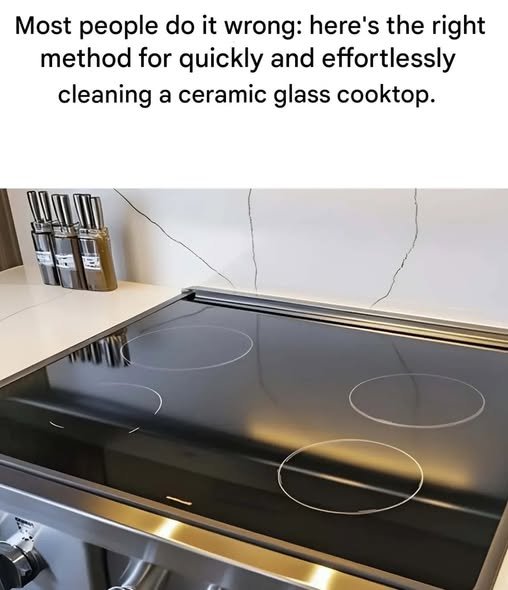
A ceramic glass cooktop can instantly give your kitchen a sleek, modern look—but keeping it spotless isn’t always easy. Burnt-on spills, grease splatters, and cloudy stains can quickly make the surface look dull. Many people reach for abrasive scrubbers or harsh cleaners, only to discover they’ve left behind permanent scratches.
The good news? With the right techniques and a few household items, you can safely restore your ceramic glass cooktop to a sparkling shine without damaging its smooth surface.
Why Ceramic Glass Cooktops Scratch Easily
Unlike traditional metal stovetops, ceramic glass cooktops are made from a smooth, heat-resistant glass-ceramic material. While durable, they are still vulnerable to scratches from rough cleaning tools or improper cleaning methods.
Common causes of scratches include:
- Steel wool or metal scouring pads
- Abrasive cleaning powders
- Sliding heavy pots across the surface
- Dirt trapped under cookware
- Using razor blades incorrectly
- Cleaning while the surface is still hot
Fortunately, gentle cleaning is usually all that’s needed.
What You’ll Need
Gather these supplies before you begin:
- Microfiber cloth
- Soft sponge
- Warm water
- Mild dish soap
- White vinegar
- Baking soda
- Spray bottle
- Ceramic cooktop cleaner (optional)
- Plastic scraper or cooktop scraper designed for glass surfaces
Avoid using anything rough or abrasive.
Step 1: Let the Cooktop Cool Completely
Never clean a hot ceramic cooktop.
Cleaning while the surface is hot can:
- Cause cleaning products to dry too quickly
- Leave streaks
- Increase the risk of burns
- Damage certain cleaning products
Wait until the cooktop is completely cool before starting.
Step 2: Remove Loose Debris
Use a dry microfiber cloth to wipe away:
- Food crumbs
- Dust
- Loose grease
- Burnt particles
Removing debris first prevents rubbing grit across the glass during cleaning.
Step 3: Clean Everyday Grease
Mix a few drops of dish soap into warm water.
Then:
- Dip a soft sponge into the solution.
- Wring out excess water.
- Gently wipe the entire cooktop.
- Rinse with a clean damp cloth.
- Dry using a microfiber towel.
This simple routine works well for daily maintenance.
Step 4: Remove Stubborn Burnt-On Stains
For tougher stains:
Make a Baking Soda Paste
Mix:
- 2 tablespoons baking soda
- Small amount of water
Spread the paste over burnt spots.
Allow it to sit for 10–15 minutes.
Then gently wipe with a soft sponge.
Baking soda provides mild cleaning power without being overly abrasive when used gently.
Step 5: Use White Vinegar for Extra Shine
Fill a spray bottle with equal parts:
- White vinegar
- Water
Spray lightly over the cooktop.
Wait a minute.
Wipe clean using a microfiber cloth.
Vinegar helps:
- Cut through grease
- Remove fingerprints
- Reduce streaks
- Leave a glossy finish
Step 6: Tackle Burnt Residue Carefully
If food remains stuck after soaking:
Use a plastic scraper or a scraper specifically designed for glass cooktops.
Hold it at a low angle and gently lift the residue.
Never scrape aggressively or use excessive force.
Common Cleaning Mistakes to Avoid
Avoid these habits that may damage your cooktop:
- Using steel wool
- Using rough scrub brushes
- Applying bleach directly
- Using oven cleaner
- Sliding cookware across the surface
- Cleaning with abrasive powders
- Using dirty cloths that contain grit
Gentle cleaning is safer and more effective.
Daily Habits That Keep Your Cooktop Looking New
Small habits can prevent heavy buildup.
Try to:
- Wipe spills immediately after the surface cools.
- Clean after each use.
- Lift pots instead of sliding them.
- Keep cookware bottoms clean.
- Dry the surface completely after cleaning.
These simple steps help maintain the cooktop’s shine.
Can Toothpaste Remove Scratches?
Some online tips suggest using toothpaste to polish scratches.
While non-gel toothpaste may slightly reduce the appearance of very fine surface marks, it won’t repair deep scratches, and rubbing too hard can create more wear. For significant damage, it’s best to follow the cooktop manufacturer’s care instructions or seek professional advice.
When to Use a Commercial Cooktop Cleaner
If your cooktop has stubborn stains or frequent grease buildup, a cleaner specifically labeled for ceramic or glass cooktops can be helpful.
Always:
- Read the manufacturer’s instructions.
- Apply only the recommended amount.
- Buff with a clean microfiber cloth.
These products are formulated to clean effectively without harming the surface when used as directed.
Final Thoughts
Keeping a ceramic glass cooktop clean doesn’t require harsh chemicals or aggressive scrubbing. A combination of mild dish soap, baking soda for stubborn spots, white vinegar for shine, and a soft microfiber cloth is often enough to keep the surface looking like new.
By avoiding abrasive tools and cleaning spills promptly, you can protect the smooth glass finish and enjoy a sparkling cooktop for years to come.
Disclaimer: This article provides general household cleaning advice. Always check and follow the care instructions provided by your cooktop’s manufacturer, as recommended cleaning methods may vary by model.