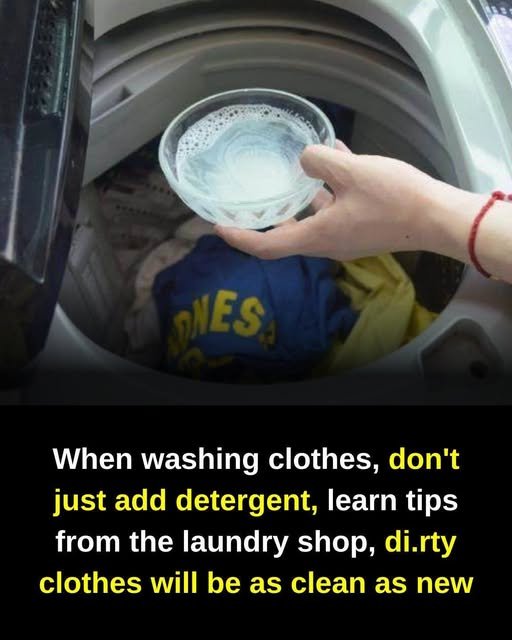
Laundry is one of those household chores that never seems to end. Between detergent, electricity, and water costs, washing clothes can become surprisingly expensive. The good news is that you don’t need expensive products or complicated routines to keep your clothes looking and smelling fresh. With a few smart habits, you can wash your laundry more effectively while saving money and extending the life of your favorite garments.
Here’s how to wash clothes cleanly and economically.
1. Wash Only Full Loads
Running a washing machine for just a few items wastes water, detergent, and electricity. Whenever possible, wait until you have a full load.
However, avoid overloading the machine. Clothes need enough room to move freely so dirt and detergent can circulate properly.
Tip: Fill the drum about three-quarters full for the best cleaning results.
2. Sort Clothes Before Washing
Separating laundry may seem like extra work, but it helps protect your clothes and improves cleaning.
Sort items by:
- White clothes
- Dark colors
- Bright colors
- Delicate fabrics
- Heavily soiled items
This prevents color transfer and allows you to choose the most suitable wash cycle.
3. Use the Right Amount of Detergent
More detergent doesn’t mean cleaner clothes. In fact, using too much can leave residue on fabrics and inside your washing machine.
Always follow the detergent manufacturer’s recommendations based on your load size and water hardness.
Using the correct amount saves money and helps clothes rinse more thoroughly.
4. Wash with Cold Water When Possible
Modern detergents work well in cold water for most everyday laundry.
Cold water:
- Saves energy
- Helps prevent fading
- Reduces fabric shrinkage
- Extends the life of clothing
Reserve hot water for towels, bedding, or clothing that needs extra sanitizing.
5. Treat Stains Before Washing
Instead of rewashing stained clothes, treat spots before putting them in the machine.
For many common stains:
- Blot spills quickly.
- Apply a small amount of liquid detergent.
- Let it sit for 10–15 minutes.
- Wash as usual.
Pre-treating stains often eliminates the need for a second wash.
6. Choose the Correct Wash Cycle
Every fabric doesn’t need an intensive wash.
Use:
- Normal cycle for everyday clothes
- Delicate cycle for lightweight fabrics
- Heavy-duty cycle only for heavily soiled items
Shorter cycles use less water and electricity.
7. Clean Your Washing Machine Regularly
A dirty washing machine can leave clothes smelling musty.
Once a month:
- Wipe the rubber door seal.
- Clean the detergent drawer.
- Run an empty hot-water cycle with a washing machine cleaner or white vinegar (if recommended by your machine’s manufacturer).
A clean machine washes clothes more effectively.
8. Skip the Extra Rinse Unless Necessary
Extra rinse cycles use more water.
Only use them if:
- Someone has sensitive skin.
- Clothes still feel soapy.
- You’ve accidentally used too much detergent.
9. Air-Dry Whenever Possible
Clothes dryers consume a lot of electricity.
Whenever weather permits:
- Hang clothes outside.
- Use an indoor drying rack.
- Dry garments in a well-ventilated room.
Air-drying also helps reduce wear and shrinkage.
10. Wash Clothes Only When They Need It
Not every item needs washing after one wear.
For example:
- Jeans can often be worn several times.
- Jackets and sweaters usually need less frequent washing.
- Pajamas may last a few wears if they’re still clean.
Washing less frequently saves water, energy, and helps clothes last longer.
11. Use Natural Laundry Boosters
Some inexpensive household products can improve washing performance.
- White vinegar can help reduce odors and soften fabrics when used in the rinse cycle (if suitable for your machine).
- Baking soda may help neutralize odors and enhance detergent performance.
Always check your washing machine’s manual before using homemade additives.
12. Maintain Your Clothes Properly
Simple habits help clothes stay cleaner for longer.
- Empty pockets before washing.
- Zip zippers to prevent snagging.
- Turn dark clothes inside out to reduce fading.
- Fasten buttons on delicate garments.
- Use mesh laundry bags for small or delicate items.
These steps reduce damage and keep clothes looking newer.
Common Laundry Mistakes That Waste Money
Avoid these costly habits:
- Using too much detergent
- Washing half-empty loads
- Overloading the machine
- Using hot water for every wash
- Drying clothes longer than necessary
- Ignoring clothing care labels
- Forgetting to clean the washing machine
Correcting these mistakes can lower your utility bills and improve laundry results.
Final Thoughts
Keeping your clothes fresh doesn’t require expensive detergents or high-energy wash cycles. By washing full loads, using the right amount of detergent, choosing cold water when appropriate, treating stains early, and air-drying whenever possible, you can enjoy clean, fresh-smelling laundry while reducing water, electricity, and detergent costs.
A few simple changes to your laundry routine can save money, protect your clothes, and make every wash more efficient.