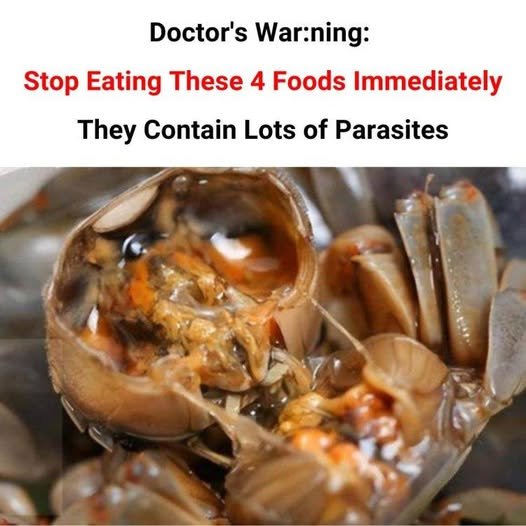
Headlines claiming that “doctors warn” you should stop eating certain foods because they “contain a lot of parasites” often spread quickly on social media. While it’s true that some foods can occasionally carry parasites if they are raw, undercooked, or contaminated, the claim is often exaggerated.
Food safety experts focus on proper sourcing, storage, and cooking, rather than avoiding these foods altogether.
Here’s what the evidence says about four foods that can sometimes be associated with parasites.
1. Raw or Undercooked Pork
Pork has historically been linked to parasites such as Trichinella (which causes trichinellosis) and, in some regions, certain tapeworms.
The real risk:
Modern farming practices and food safety regulations have greatly reduced the risk in many countries. However, eating raw or undercooked pork can still pose a risk.
Stay safe by:
- Cooking pork to a safe internal temperature.
- Avoiding raw or undercooked pork dishes.
- Buying meat from reputable sources.
2. Raw Freshwater Fish
Some raw or undercooked freshwater fish may carry parasites, depending on where they were caught.
The real risk:
Certain parasitic worms can infect fish and may infect humans if the fish is eaten raw or insufficiently cooked.
Reduce your risk by:
- Cooking fish thoroughly.
- If eating raw fish, choosing products that have been properly frozen according to food safety standards to reduce parasite risk.
- Purchasing seafood from trusted suppliers.
3. Wild Game Meat
Meat from wild animals such as wild boar, bear, or deer may occasionally carry parasites.
The real risk:
The risk depends on the animal species, geographic region, and how the meat is handled.
Safety tips:
- Cook wild game thoroughly.
- Handle raw meat carefully to avoid cross-contamination.
- Follow local hunting and food safety recommendations.
4. Unwashed Fruits and Vegetables
Fresh produce doesn’t naturally “contain parasites,” but it can become contaminated through soil, water, or handling.
Possible contaminants include:
- Parasite eggs
- Bacteria
- Viruses
Protect yourself by:
- Washing produce under running water.
- Peeling fruits when appropriate.
- Using clean cutting boards and utensils.
Other Foods Sometimes Mentioned
Some viral posts also include:
- Raw shellfish
- Unpasteurized dairy products
- Raw sprouts
- Undercooked beef
These foods may carry various foodborne pathogens, but the specific risks vary and are not always related to parasites.
Symptoms of a Parasitic Infection
Depending on the parasite involved, symptoms may include:
- Diarrhea
- Stomach cramps
- Nausea
- Vomiting
- Unexplained weight loss
- Fatigue
- Fever
Some people may have no symptoms at all.
If you think you may have a parasitic infection—especially after travel, eating high-risk foods, or drinking unsafe water—see a healthcare professional for proper testing and treatment.
The Best Ways to Prevent Foodborne Parasites
You don’t need to eliminate nutritious foods from your diet. Instead, focus on safe food handling:
- Cook meat, poultry, and fish thoroughly.
- Wash fruits and vegetables before eating.
- Avoid cross-contamination between raw and cooked foods.
- Wash your hands before preparing meals.
- Drink safe, clean water, especially when traveling.
- Refrigerate perishable foods promptly.
Are Parasites Common?
The risk varies depending on where you live, food production standards, sanitation, and eating habits.
In countries with strong food safety systems, parasitic infections from commercially sold foods are relatively uncommon, though they can still occur. In many cases, simple food safety practices significantly reduce the risk.
Final Thoughts
The viral claim that “doctors warn” you to immediately stop eating four foods because they “contain a lot of parasites” is misleading. While certain foods—such as raw or undercooked pork, freshwater fish, wild game, and contaminated produce—can carry parasites under some circumstances, they are not inherently dangerous when properly sourced, handled, and prepared.
Rather than avoiding these foods entirely, the most effective approach is to follow good food safety practices and seek medical advice if you develop symptoms of a possible foodborne illness.
Frequently Asked Questions
Can washing vegetables remove parasites?
Washing fruits and vegetables under running water helps remove dirt and many contaminants, though it may not eliminate every microorganism.
Is sushi full of parasites?
Commercial sushi-grade fish is typically handled under strict food safety standards, including freezing methods designed to reduce the risk of parasites. However, no food is completely risk-free.
Does freezing kill parasites?
Freezing can kill certain parasites in some types of fish when done under specific time and temperature conditions used in commercial food safety. It is not effective for all parasites or all foods.
Should I stop eating pork?
No. Properly cooked pork from reputable sources is generally safe to eat.
Can parasites be treated?
Yes. Many parasitic infections can be effectively treated with prescription medications once the specific parasite is identified.