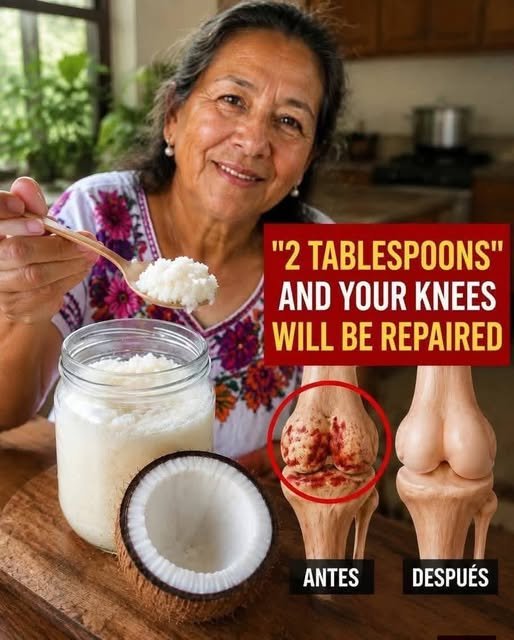
Healthy knees allow us to walk, climb stairs, exercise, and enjoy everyday activities without pain. At the heart of every healthy knee is articular cartilage—a smooth, rubbery tissue that covers the ends of bones and allows them to glide effortlessly over one another. Although cartilage is remarkably durable, it can wear down over time due to aging, injury, excess body weight, or conditions such as osteoarthritis.
The internet is full of claims that certain foods or supplements can “regrow cartilage overnight” or completely reverse arthritis. Unfortunately, these claims are not supported by strong scientific evidence. While some lifestyle changes may help protect cartilage and reduce symptoms, there is currently no proven way to fully regenerate severely damaged knee cartilage using diet or supplements alone.
Here’s what you need to know to keep your knees healthy.
What Is Knee Cartilage?
Cartilage is a smooth, flexible connective tissue that cushions the ends of bones inside your joints.
Its main functions include:
- Absorbing shock during movement
- Reducing friction between bones
- Supporting smooth joint motion
- Protecting the underlying bone
Unlike many other tissues, cartilage has very little blood supply, which is one reason it heals slowly after injury.
Why Cartilage Matters
Healthy cartilage helps your knees move comfortably during:
- Walking
- Running
- Climbing stairs
- Squatting
- Jumping
- Standing from a chair
As cartilage wears down, bones may begin rubbing together, leading to pain, stiffness, and reduced mobility.
Common Causes of Cartilage Damage
Several factors can contribute to cartilage wear.
Ageing
Over time, cartilage naturally becomes thinner and less resilient.
Osteoarthritis
The most common joint disease affecting older adults.
Osteoarthritis gradually damages cartilage, causing:
- Pain
- Swelling
- Morning stiffness
- Reduced flexibility
- Difficulty walking
Previous Injuries
Sports injuries, ligament tears, and meniscus damage can increase the risk of developing arthritis later in life.
Excess Body Weight
Every extra kilogram of body weight places additional force on the knees during walking and stair climbing.
Maintaining a healthy weight can reduce stress on knee joints.
Repetitive Stress
Frequent kneeling, squatting, or high-impact activities may contribute to joint wear in some individuals.
Early Signs of Cartilage Problems
Symptoms may include:
- Knee pain during activity
- Stiffness after resting
- Swelling
- Clicking or grinding sensations
- Reduced range of motion
- Difficulty climbing stairs
Persistent symptoms should be evaluated by a healthcare professional.
Can Cartilage Regrow Naturally?
This is one of the biggest myths online.
Cartilage has very limited ability to repair itself, particularly if the damage is extensive.
Small injuries may heal to some degree, but advanced cartilage loss is unlikely to regenerate fully without specialised medical treatment—and even then, results vary.
Research into cartilage repair techniques continues, but there is currently no simple pill or food that restores lost cartilage.
Foods That Support Joint Health
While food cannot rebuild cartilage, a nutritious diet supports overall joint health.
Fatty Fish
Salmon, sardines, mackerel, and trout provide omega-3 fatty acids, which may help reduce inflammation in some people.
Colourful Fruits and Vegetables
Rich in antioxidants and vitamin C, these foods support collagen production and help protect cells from oxidative stress.
Good choices include:
- Oranges
- Berries
- Bell peppers
- Broccoli
- Kiwi
Leafy Greens
Spinach, kale, and other greens provide vitamins and minerals that support overall health.
Nuts and Seeds
Walnuts, almonds, chia seeds, and flaxseeds contain healthy fats and nutrients important for general wellbeing.
Lean Protein
Protein supports muscles that stabilise the knee.
Good options include:
- Fish
- Chicken
- Beans
- Lentils
- Greek yogurt
- Eggs
Exercise: One of the Best Ways to Protect Your Knees
Many people think they should avoid movement when their knees hurt.
In reality, appropriate exercise is one of the most effective ways to support knee health.
Helpful activities include:
Walking
Improves circulation and strengthens muscles around the knee.
Swimming
Water supports body weight while allowing joints to move comfortably.
Cycling
Low-impact exercise that strengthens leg muscles.
Strength Training
Building the quadriceps, hamstrings, glutes, and calves helps reduce stress on the knee joint.
Exercises should be appropriate for your condition and guided by a healthcare professional if needed.
Stretching and Flexibility
Regular stretching may improve:
- Flexibility
- Mobility
- Balance
- Muscle function
Stretching does not repair cartilage but can help maintain joint movement.
Maintaining a Healthy Weight
Weight management is one of the most effective ways to reduce pressure on the knees.
Even modest weight loss can improve pain and function in people with knee osteoarthritis.
Do Supplements Work?
Many supplements are marketed for joint health, including:
- Glucosamine
- Chondroitin
- Collagen peptides
- Turmeric (curcumin)
- Boswellia
Research has shown mixed results. Some people report symptom relief, but studies have not consistently shown that these supplements rebuild cartilage or work for everyone.
Talk to your healthcare provider before starting supplements, especially if you take blood-thinning medications or have other health conditions.
Habits That Help Protect Your Knees
Daily habits can make a significant difference.
- Stay physically active.
- Wear supportive footwear.
- Warm up before exercise.
- Avoid smoking.
- Eat a balanced diet.
- Maintain a healthy body weight.
- Use proper lifting techniques.
- Treat injuries promptly.
Myths About Knee Cartilage
Myth: Cartilage grows back if you eat gelatin.
Fact: Gelatin provides protein but has not been proven to regenerate damaged knee cartilage.
Myth: Cracking your knees wears out cartilage.
Fact: Occasional joint cracking without pain is generally harmless and is usually caused by gas bubbles in the joint fluid.
Myth: Exercise makes arthritis worse.
Fact: Appropriate low-impact exercise is recommended for most people with arthritis and can improve pain and function.
Myth: Surgery is always necessary.
Fact: Many people manage knee pain successfully with exercise, weight management, physical therapy, and other non-surgical treatments.
When to See a Doctor
Seek medical advice if you experience:
- Persistent knee pain
- Swelling lasting several days
- Knee instability or giving way
- Difficulty walking
- Locking of the joint
- Fever with a swollen, painful knee
- Severe pain after an injury
Early evaluation may help identify the cause and guide appropriate treatment.
Final Thoughts
Healthy knee cartilage is essential for comfortable movement and an active lifestyle. While aging and wear are natural, regular exercise, maintaining a healthy weight, eating a balanced diet, and avoiding unnecessary joint strain can help protect your knees and improve joint function. Remember that no food or supplement has been proven to regenerate severely damaged cartilage, but healthy habits can reduce symptoms, support mobility, and contribute to long-term joint health.
Medical Disclaimer: This article is for educational purposes only and is not a substitute for professional medical advice. If you have persistent knee pain, swelling, or reduced mobility, consult a qualified healthcare professional for an accurate diagnosis and personalised treatmen