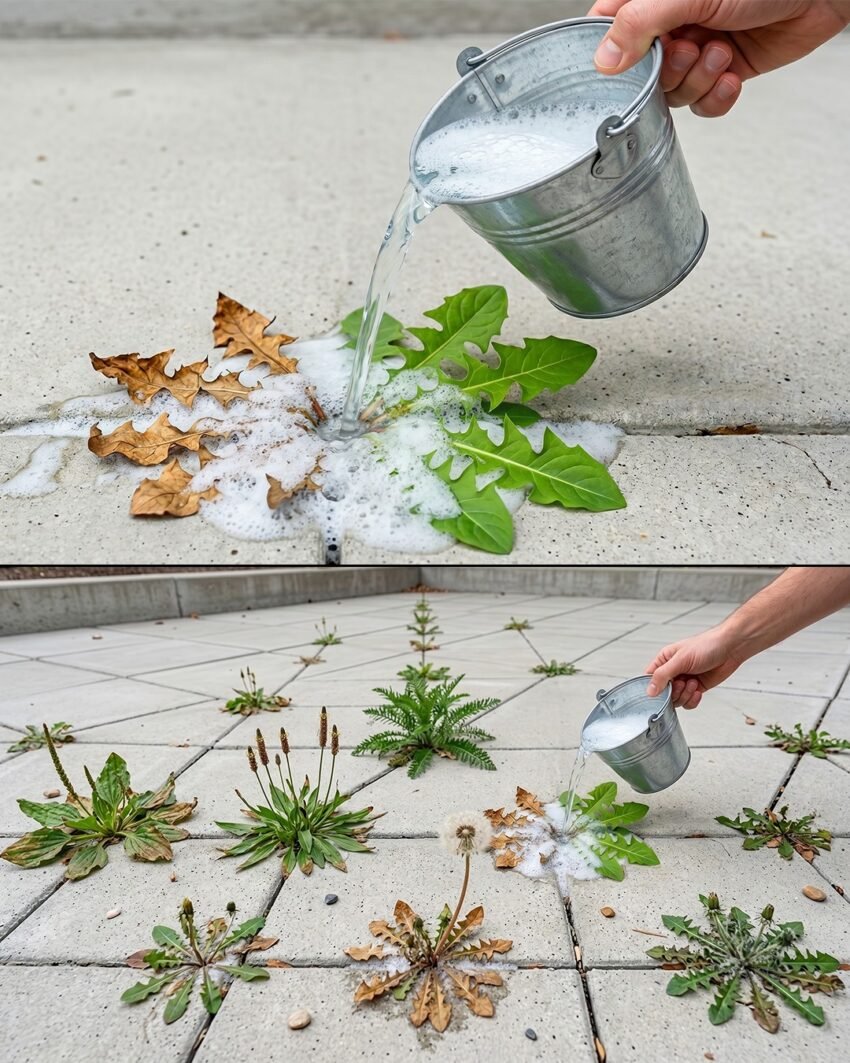
If you’ve ever spent hours pulling weeds only to find them growing back a few days later, you’re not alone. Weeds are one of the biggest frustrations for gardeners and homeowners alike. They compete with flowers, vegetables, and shrubs for water, sunlight, and nutrients, often spreading faster than the plants you’re trying to grow. While commercial weed killers can be effective, many people are looking for natural alternatives that are safer for their families, pets, and the environment.
The good news is that you don’t always need expensive chemical herbicides to keep unwanted plants under control. With a few simple household ingredients and the right techniques, you can create a homemade weed control solution that helps eliminate weeds while reducing your reliance on harsh chemicals.
Why Choose Homemade Weed Control?
Natural weed control has become increasingly popular because it offers several advantages. Homemade solutions are generally inexpensive, easy to prepare, and use ingredients that many people already have in their kitchens. They can also reduce the amount of synthetic chemicals introduced into your garden, making them an appealing choice for those who prefer a more eco-friendly approach.
However, it’s important to remember that “natural” doesn’t automatically mean harmless. Even homemade weed killers can damage desirable plants if sprayed carelessly. They work best when applied directly to the unwanted weeds rather than the surrounding garden.
A Simple Homemade Weed Killer
One of the most common homemade weed control mixtures combines everyday household ingredients:
- 1 gallon (about 3.8 liters) of white vinegar
- 1 cup of table salt
- 1 tablespoon of liquid dish soap
Mix the ingredients thoroughly until the salt dissolves. Pour the solution into a spray bottle or garden sprayer and apply it directly to the leaves of unwanted weeds on a warm, dry, sunny day.
The vinegar helps dry out the foliage, the dish soap helps the solution stick to the leaves, and the salt can make it harder for plants to recover. Because salt can remain in the soil and affect future plant growth, this mixture is best reserved for areas where you don’t intend to grow other plants, such as cracks in sidewalks, gravel driveways, or between paving stones.
Tips for Best Results
For the most effective weed control, spray weeds during hot, sunny weather when no rain is expected for at least 24 hours. Young weeds are usually easier to kill than mature plants with extensive root systems. If necessary, repeat the application after several days, especially for stubborn perennial weeds.
Avoid spraying on windy days, as the solution can drift onto nearby flowers, vegetables, or lawns and damage them. Always target only the weeds you want to remove.
Other Natural Weed Control Methods
Homemade sprays work best when combined with other gardening practices. Pulling weeds by hand after rainfall, applying a thick layer of mulch around plants, and maintaining healthy ground cover can significantly reduce future weed growth. Boiling water can also be effective for weeds growing in sidewalk cracks or along driveways, although it should never be poured near desirable plants because it can damage their roots as well.
A Few Words of Caution
Although homemade weed killers are made from common household ingredients, they should still be handled carefully. Wear gloves, avoid contact with your eyes and skin, and keep the mixture away from children and pets until the sprayed areas have dried. Remember that vinegar, salt, and boiling water are non-selective, meaning they can injure or kill many types of plants—not just weeds.
Natural weed control isn’t about finding a magic solution that works overnight. Instead, it’s about combining simple, practical methods with regular garden maintenance. With patience and consistent care, you can keep weeds under control while creating a healthier, more sustainable outdoor space.