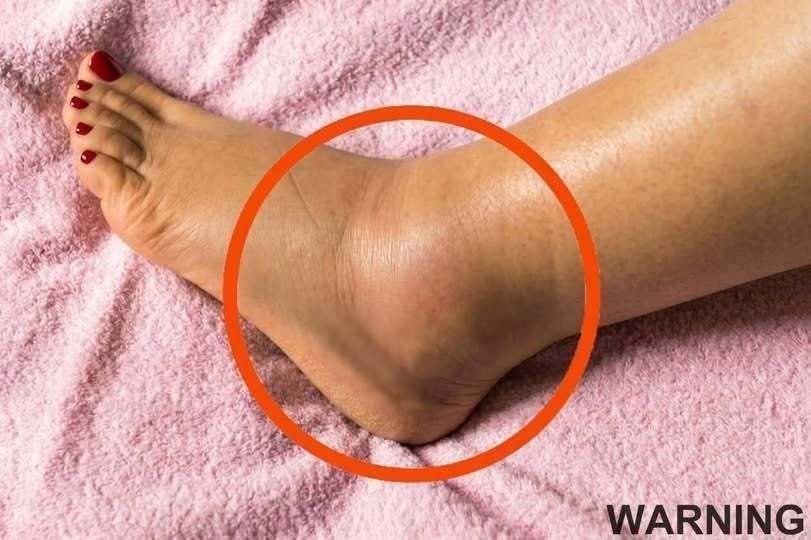
Swollen legs are a common health concern that can range from a minor, temporary issue to a sign of an underlying medical condition. While swelling after a long day of standing, sitting, or traveling is often harmless, persistent or sudden swelling may indicate that your body needs medical attention.
Understanding the possible causes of leg swelling can help you recognize when it’s time to seek professional advice.
What Causes Leg Swelling?
Leg swelling, also known as peripheral edema, occurs when excess fluid builds up in the tissues. This can affect one or both legs and may develop gradually or appear suddenly.
Common causes include:
- Standing or sitting for long periods.
- Hot weather.
- Pregnancy.
- Minor injuries or muscle strains.
- Eating a high-salt diet.
In many cases, the swelling improves with rest, elevating the legs, or gentle movement.
When Swelling May Signal a Health Problem
Persistent or unexplained leg swelling can sometimes be associated with an underlying condition, such as:
Poor Circulation
Problems with the veins, such as chronic venous insufficiency, can make it difficult for blood to return to the heart, causing fluid to collect in the lower legs and ankles.
Heart Conditions
When the heart cannot pump blood efficiently, fluid may accumulate in the legs, feet, or ankles. Swelling related to heart problems is often accompanied by shortness of breath or fatigue.
Kidney Disease
Healthy kidneys help regulate the body’s fluid balance. When they are not functioning properly, excess fluid may build up, leading to swelling in the legs and other parts of the body.
Liver Disease
Advanced liver disease can affect proteins that help keep fluid inside blood vessels, allowing fluid to leak into surrounding tissues.
Lymphedema
Damage or blockage in the lymphatic system can cause persistent swelling, usually affecting one or both limbs.
Blood Clots
A blood clot in a deep vein (deep vein thrombosis, or DVT) can cause swelling, pain, warmth, and redness in one leg. Because a clot can travel to the lungs, this requires urgent medical evaluation.
Symptoms That Should Prompt Immediate Medical Attention
Seek emergency medical care if leg swelling occurs along with:
- Sudden shortness of breath.
- Chest pain.
- Coughing up blood.
- Severe pain in one leg.
- Redness, warmth, and rapid swelling in one leg.
- Swelling after a serious injury.
These symptoms could indicate a medical emergency.
Tips to Reduce Mild Leg Swelling
If your swelling is mild and not related to a serious medical condition, these measures may help:
- Elevate your legs above heart level when resting.
- Walk regularly and avoid sitting for long periods.
- Stay physically active.
- Wear compression stockings if recommended by your healthcare provider.
- Reduce excess salt intake.
- Maintain a healthy weight.
- Stay well hydrated.
When to See a Doctor
Arrange a medical evaluation if:
- Swelling lasts for several days without improvement.
- Only one leg is swollen without an obvious cause.
- The swelling keeps returning.
- You develop skin changes, sores, or increasing discomfort.
- Swelling is accompanied by fever or signs of infection.
A healthcare professional can determine the cause through a physical examination and, if needed, blood tests or imaging studies.
Final Thoughts
Swollen legs are not always a sign of a serious illness, but they should never be dismissed if they are persistent, severe, or accompanied by other concerning symptoms. Paying attention to changes in your body and seeking medical advice when needed can help identify and treat underlying conditions early.
If you’re experiencing ongoing or unexplained leg swelling, it’s best to consult a healthcare provider for an accurate diagnosis and appropriate treatment.