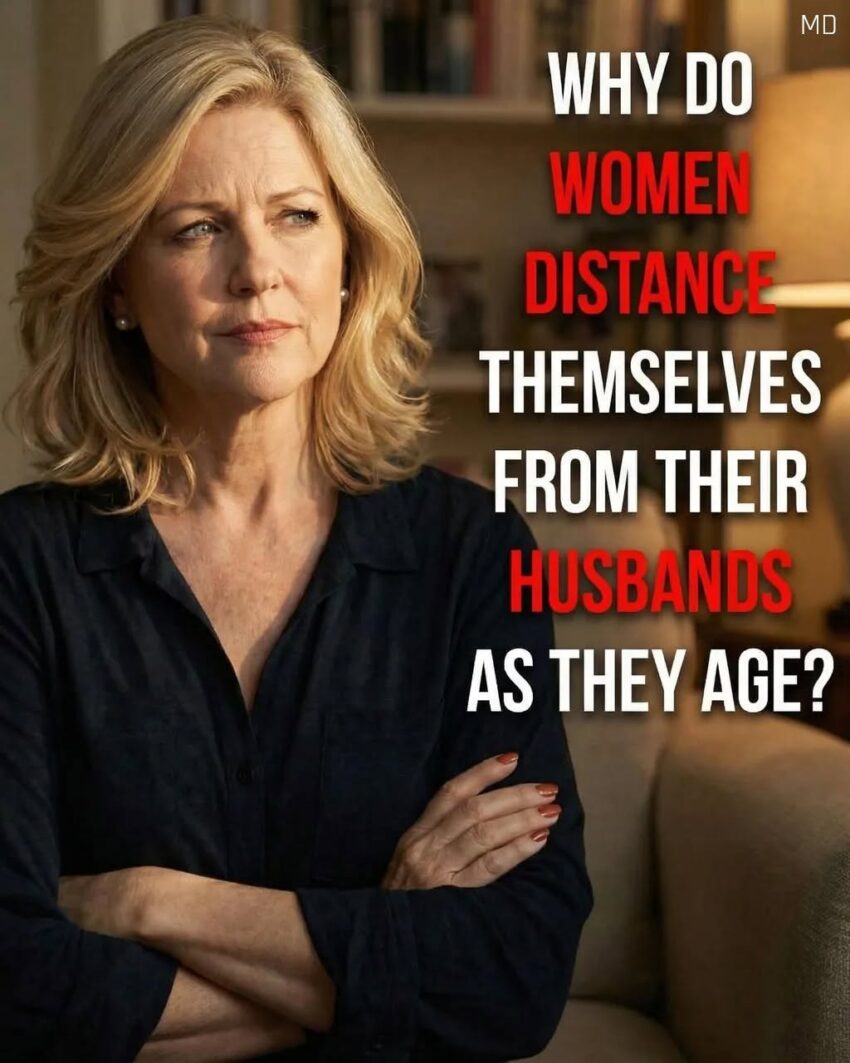
Emotional distance in a marriage rarely happens overnight. It’s usually a gradual shift—subtle at first, then more noticeable over time. One partner may begin to feel “far away,” less expressive, less engaged, or emotionally unavailable. While this can happen in any relationship dynamic, many people notice it and wonder why some women, in particular, may seem to become distant in long-term marriages.
The reality is that emotional withdrawal is rarely about gender alone. It’s about unmet emotional needs, life pressures, communication patterns, and relationship dynamics that slowly accumulate.
1. Emotional Needs Going Unnoticed
Most people enter marriage with emotional expectations: to feel valued, heard, understood, and supported. When a woman repeatedly feels that her emotional needs are overlooked—whether intentionally or not—she may stop expressing them altogether.
Instead of continuing to ask for connection and feeling disappointed, she may shift into silence. This silence is often misunderstood as “distance,” but it is frequently a form of emotional self-protection.
2. Communication Breakdown Over Time
In many marriages, communication becomes increasingly functional rather than emotional. Conversations revolve around bills, responsibilities, children, or schedules, leaving little space for genuine emotional exchange.
When emotional conversations are replaced with transactional dialogue, one partner may begin to feel unseen as a person. Over time, this can lead to withdrawal, where she no longer initiates deeper conversations because they no longer feel rewarding or safe.
3. Emotional Labor and Burnout
In many households, women often carry a significant portion of emotional labor—remembering family needs, managing relationships, planning events, and maintaining harmony. When this responsibility becomes overwhelming and unbalanced, emotional burnout can occur.
Burnout doesn’t always show up as anger or confrontation. It often appears as fatigue, detachment, or reduced emotional responsiveness. Distance, in this case, is not lack of care—it is depletion.
4. Feeling Unappreciated or Taken for Granted
Appreciation is a powerful emotional connector. When efforts go unnoticed over time, even small gestures of love or care can begin to feel meaningless.
If a woman feels her contributions—emotional, physical, or practical—are consistently taken for granted, she may begin to emotionally disengage. This is often a protective response to prevent further emotional disappointment.
5. Loss of Emotional Intimacy
Emotional intimacy is built through vulnerability, shared experiences, affection, and consistent attention. When couples stop prioritizing emotional closeness, the relationship can start to feel like a partnership of convenience rather than a loving bond.
Without emotional intimacy, physical presence alone is not enough to maintain connection. Distance grows not because love disappears, but because it is no longer actively nurtured.
6. Life Stress and Personal Identity Shifts
Over time, individuals change. Career demands, parenting responsibilities, health challenges, and personal growth all shape how a person shows up in a relationship.
Sometimes emotional distance reflects internal stress or identity shifts rather than dissatisfaction with the marriage itself. A woman may feel overwhelmed by external pressures and unintentionally withdraw inward to cope.
7. Unresolved Conflicts and Emotional Resentment
Unresolved issues don’t disappear—they accumulate. When conflicts are avoided instead of addressed, they can turn into silent resentment.
Resentment is one of the strongest drivers of emotional distance. It creates an invisible barrier where affection and openness are replaced with guardedness or emotional withdrawal.
8. Lack of Emotional Safety
Emotional safety means feeling secure enough to express feelings without fear of criticism, dismissal, or escalation. When this safety is missing, people naturally begin to protect themselves by saying less, sharing less, and feeling less.
Over time, this self-protection can be mistaken for indifference, when in reality it is a response to emotional risk.
Rebuilding Connection
Emotional distance is not always permanent. In many cases, it is a signal rather than an ending. It often points to areas in the relationship that need attention, care, and repair.
Reconnection typically begins with:
- Open, non-defensive communication
- Active listening without interruption or correction
- Consistent appreciation for small efforts
- Shared quality time without distractions
- Willingness to address unresolved issues calmly
- Rebuilding emotional safety gradually
Most importantly, both partners must participate in rebuilding the emotional bridge. One-sided effort can help, but lasting change comes from mutual willingness to reconnect.
Final Thoughts
Emotional distance in marriage is rarely about sudden change—it is about gradual disconnection. When a woman seems distant, it is often a reflection of unmet needs, emotional fatigue, or lack of connection rather than a simple loss of love.
Understanding this distinction shifts the focus from blame to awareness. And awareness is where meaningful change begins.
If you want, I can also turn this into:
- a shorter Instagram carousel version
- a YouTube script
- or a more SEO-optimized blog with keywords and headline variations