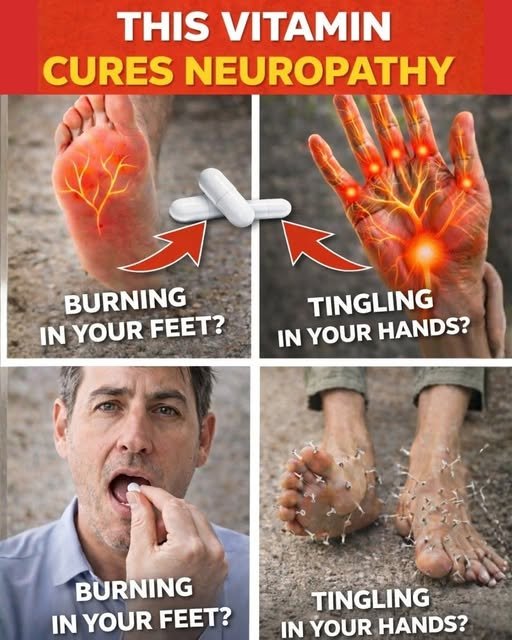
Nerve pain can be frustrating, persistent, and life-changing. For millions of people living with neuropathy, simple activities like walking, typing, or even sleeping can become difficult due to burning sensations, numbness, tingling, or sharp pains. While there is no single vitamin that can magically cure nerve damage, certain nutrients play a vital role in supporting healthy nerves and may help improve symptoms when a deficiency is present.
One vitamin that often receives attention in discussions about nerve health is Vitamin B12. In fact, a lack of Vitamin B12 is one of the few vitamin deficiencies that can directly cause nerve damage. When identified early, replacing this vitamin can stop the damage from worsening and, in some cases, improve symptoms over time.
Let’s explore why Vitamin B12 is so important, what the science says, and how it fits into an overall approach to managing neuropathy.
What Is Neuropathy?
Neuropathy refers to damage or dysfunction of one or more nerves, most commonly affecting the hands and feet. Peripheral neuropathy can develop for many reasons, including:
- Diabetes
- Vitamin deficiencies
- Alcohol misuse
- Certain medications
- Autoimmune diseases
- Infections
- Kidney disease
- Physical injuries
- Genetic conditions
Symptoms vary from person to person but often include:
- Tingling or “pins and needles”
- Burning pain
- Numbness
- Muscle weakness
- Difficulty balancing
- Increased sensitivity to touch
- Loss of coordination
Because many conditions can cause neuropathy, identifying the underlying cause is one of the most important steps in treatment.
Why Vitamin B12 Matters
Vitamin B12 is essential for:
- Maintaining healthy nerve cells
- Producing protective myelin around nerves
- Making red blood cells
- DNA production
- Brain function
Without enough B12, nerves can become damaged because the protective myelin coating begins to deteriorate. This damage may lead to numbness, tingling, weakness, and balance problems.
Unlike many health claims seen online, Vitamin B12 is most beneficial for people who have a deficiency. If neuropathy is caused by another condition, B12 alone is unlikely to reverse it, though adequate nutrition remains important.
Who Is Most Likely to Be Deficient?
Vitamin B12 deficiency becomes more common with age and in certain medical conditions.
People at higher risk include those who:
- Are over age 60
- Follow a strict vegan diet
- Have had stomach or intestinal surgery
- Take metformin for diabetes
- Use acid-reducing medications long-term
- Have digestive disorders like Crohn’s disease or celiac disease
- Have pernicious anemia
Many people don’t realize they have low B12 until symptoms become noticeable.
Symptoms of Vitamin B12 Deficiency
A deficiency can affect both the nervous system and the blood.
Possible symptoms include:
- Tingling in hands or feet
- Numbness
- Muscle weakness
- Difficulty walking
- Poor balance
- Fatigue
- Memory problems
- Depression
- Pale skin
- Shortness of breath
- Smooth, sore tongue
These symptoms should always be evaluated by a healthcare professional because they can have many possible causes.
Can Vitamin B12 Repair Nerve Damage?
The answer depends on the cause and how long the nerves have been damaged.
If the neuropathy is caused by Vitamin B12 deficiency:
- Early treatment may significantly improve symptoms.
- Nerve function may gradually recover over months.
- Permanent damage is less likely if treatment begins promptly.
If nerve damage has existed for a long time, recovery may be incomplete. That’s why early diagnosis is so important.
Best Food Sources of Vitamin B12
Vitamin B12 is naturally found in animal-based foods.
Excellent sources include:
- Beef
- Liver
- Fish
- Salmon
- Tuna
- Eggs
- Milk
- Cheese
- Yogurt
- Chicken
- Fortified breakfast cereals
People who avoid animal products often need fortified foods or supplements.
Supplements: Are They Helpful?
Vitamin B12 supplements are widely available as:
- Tablets
- Capsules
- Sublingual tablets
- Nasal sprays
- Injections
People with severe deficiency or absorption problems may require prescription B12 injections because they absorb more reliably than oral supplements.
It’s best to have your B12 level checked before starting high-dose supplements, especially if you have ongoing symptoms.
Other Nutrients That Support Nerve Health
Although Vitamin B12 gets the most attention, several other nutrients also contribute to healthy nerve function.
Vitamin B1 (Thiamine)
Supports energy production within nerve cells and is especially important for people with diabetes or alcohol-related nerve damage.
Vitamin B6
Essential for nerve signaling, but balance is important. Too little can contribute to nerve problems, while excessive amounts from supplements can actually cause neuropathy.
Vitamin D
Low Vitamin D levels are associated with increased nerve pain in some people, particularly those with diabetes.
Vitamin E
Acts as an antioxidant and helps protect nerve cell membranes.
Alpha-Lipoic Acid
Although not a vitamin, this antioxidant has shown potential in reducing symptoms of diabetic neuropathy in some studies.
Lifestyle Habits That Protect Your Nerves
Healthy lifestyle choices work alongside proper nutrition.
Helpful habits include:
- Keep blood sugar well controlled if you have diabetes.
- Exercise regularly.
- Eat a balanced diet rich in fruits, vegetables, whole grains, and lean protein.
- Avoid smoking.
- Limit alcohol consumption.
- Maintain a healthy weight.
- Protect your feet from injury if you have numbness.
When to See a Doctor
Seek medical evaluation if you experience:
- Sudden numbness
- Rapidly worsening weakness
- Severe burning pain
- Difficulty walking
- Loss of bladder or bowel control
- Symptoms affecting only one side of the body
- Persistent tingling lasting more than a few weeks
Your healthcare provider may recommend blood tests, nerve conduction studies, or imaging to identify the cause.
The Bottom Line
Vitamin B12 is one of the most important nutrients for maintaining healthy nerves and preventing nerve damage caused by deficiency. For people whose neuropathy results from low B12 levels, timely treatment can make a meaningful difference and may even reverse some symptoms. However, neuropathy has many possible causes, and there is no single vitamin that cures every case.
If you’re experiencing persistent tingling, numbness, or burning pain, don’t rely solely on supplements. A proper medical evaluation can identify the underlying cause and guide the most effective treatment plan.
Disclaimer: This article is for educational purposes only and should not replace professional medical advice, diagnosis, or treatment. Always consult a qualified healthcare provider before starting new supplements or making changes to your healthcare routine.