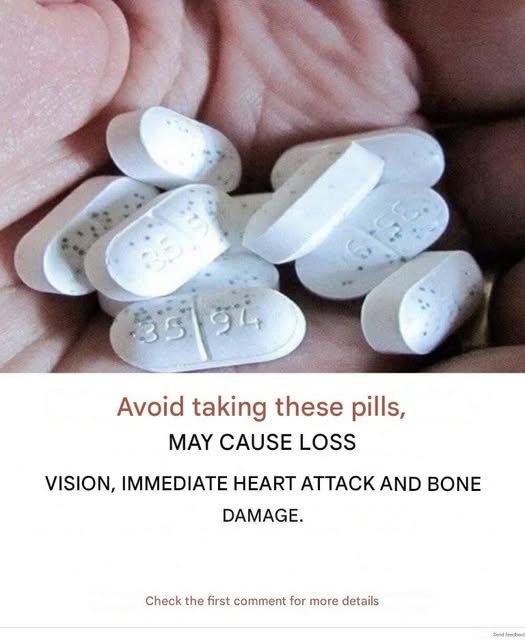
Medications are designed to improve health, control diseases, and make daily life easier. However, like all medical treatments, some medicines can carry risks and side effects. In certain people, specific medications may increase the chance of blood clots (thrombosis), which can potentially lead to serious complications such as heart attacks, strokes, or blocked blood vessels.
This does not mean these medicines are dangerous for everyone. Many are safe and effective when prescribed correctly. The key is understanding the risks, recognizing warning signs, and discussing your personal health history with a healthcare professional.
What Are Blood Clots and Why Are They Dangerous?
A blood clot is a thickened mass of blood that forms to stop bleeding after an injury. This is a normal and protective process.
The problem occurs when a clot forms inside a blood vessel without a clear need. It can block normal blood flow and become dangerous.
Common types include:
- Deep vein thrombosis (DVT): A clot that forms in a deep vein, often in the leg.
- Pulmonary embolism (PE): A clot that travels to the lungs and blocks blood flow.
- Arterial clots: Clots that can block arteries and contribute to heart attacks or strokes.
Types of Medicines Linked With Higher Clot Risk
1. Hormonal Medications
Some medications containing hormones can affect how the body controls blood clotting.
Examples include certain:
- Birth control pills containing estrogen
- Hormone replacement therapies
- Some fertility-related hormone treatments
The risk may be higher in people who also have other risk factors, such as:
- Smoking
- Obesity
- Older age
- Previous blood clots
- Family history of clotting disorders
2. Certain Cancer Treatments
Some chemotherapy medicines and cancer-related treatments can increase the likelihood of clot formation.
Cancer itself can also make the blood more likely to clot, so doctors carefully monitor patients and balance benefits with risks.
3. Some Immune System and Inflammation Medicines
Certain medications used for inflammatory diseases may affect clotting risk in some patients, especially those who already have cardiovascular risk factors.
Doctors may monitor:
- Blood pressure
- Cholesterol levels
- Heart health
- Previous clot history
4. Some Medications That Affect Blood Cells
Certain drugs can change blood cell levels or increase the tendency of blood to clot.
Regular medical monitoring may be recommended depending on the medication and the person’s health condition.
Warning Signs of a Possible Blood Clot
Seek urgent medical attention if you experience:
Possible Leg Clot Symptoms:
- Swelling in one leg
- Pain or tenderness in the calf
- Warmth or redness in the affected area
- Sudden unexplained leg discomfort
Possible Lung Clot Symptoms:
- Sudden shortness of breath
- Chest pain that worsens with breathing
- Fast heartbeat
- Coughing up blood
- Feeling faint
Possible Heart Attack Warning Signs:
- Pressure, squeezing, or pain in the chest
- Pain spreading to the arm, jaw, back, or shoulder
- Shortness of breath
- Cold sweating
- Sudden weakness
Possible Stroke Warning Signs:
- Face drooping
- Arm weakness
- Speech difficulty
- Sudden confusion
- Loss of balance or coordination
Who May Have a Higher Risk?
Your risk may be increased if you have:
- A history of blood clots
- Heart disease
- High blood pressure
- Diabetes
- High cholesterol
- Smoking habits
- Obesity
- Long periods of inactivity
- Certain inherited clotting conditions
Pregnancy and the period after childbirth can also naturally increase clotting risk, so medical guidance is especially important during this time.
Never Stop Medication Suddenly Without Advice
If you read that a medication may have clot risks, do not stop taking it without speaking with your doctor. Some medicines must be reduced gradually or replaced safely.
A healthcare provider can help determine:
- Whether your medication is appropriate
- Whether your dose needs adjustment
- Whether another option may be safer
- Whether monitoring tests are needed
Simple Ways to Support Heart and Blood Vessel Health
While medication decisions should always be personalized, healthy habits can support circulation:
✅ Stay physically active with regular walking
✅ Maintain a healthy weight
✅ Drink enough water
✅ Avoid smoking
✅ Manage blood pressure and cholesterol
✅ Eat a balanced diet rich in vegetables, fruits, and fiber
✅ Avoid sitting for very long periods without movement
Final Thoughts
Medications can save lives, but every treatment has potential benefits and risks. Blood clots, thrombosis, and heart complications are serious concerns that require awareness — not panic.
The safest approach is to understand your medications, know your personal risk factors, and maintain regular communication with your healthcare provider. If you notice symptoms of a possible clot or heart problem, seek medical help immediately.