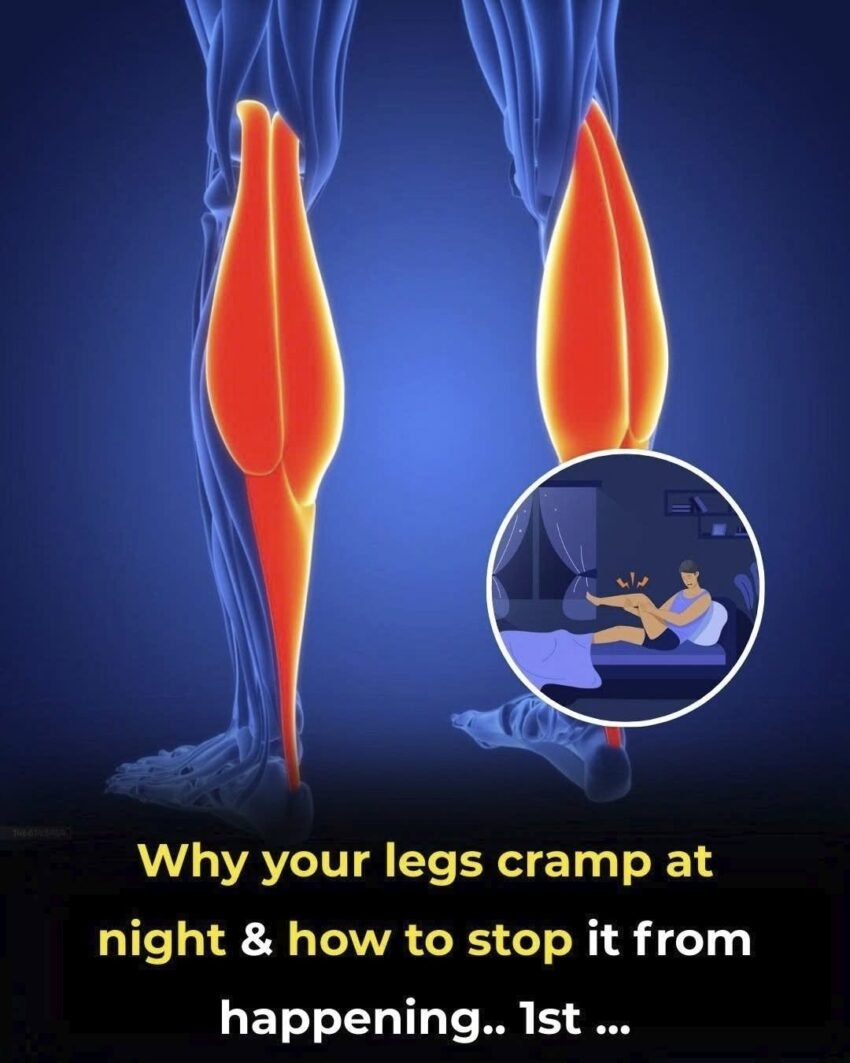
Have you ever been jolted awake by a sudden, painful cramp in your calf or foot? If so, you’re not alone. Nighttime leg cramps are a common problem that affects millions of people worldwide. The pain can be intense, causing the muscles to tighten unexpectedly and making it difficult to fall back asleep.
While occasional leg cramps are usually harmless, frequent episodes may point to an underlying issue. Understanding why they happen can help you reduce their frequency and know when it’s time to seek medical advice.
What Are Nighttime Leg Cramps?
Nighttime leg cramps, also known as nocturnal leg cramps, are sudden, involuntary muscle contractions that typically occur in the:
- Calf muscles
- Feet
- Thighs
These cramps can last anywhere from a few seconds to several minutes, and muscle soreness may continue for hours afterward.
Common Reasons Why Leg Cramps Happen at Night
1. Muscle Fatigue
One of the most common causes is overworked or tired muscles.
This can happen after:
- Standing for long periods
- Intense exercise
- Walking long distances
- Heavy physical work
Fatigued muscles are more likely to contract unexpectedly during rest.
2. Dehydration
Not drinking enough water can affect normal muscle function.
When your body loses fluids through:
- Sweating
- Hot weather
- Exercise
- Illness
your muscles may become more prone to cramping.
3. Sitting or Sleeping in Certain Positions
Remaining in one position for a long time may shorten the calf muscles.
Examples include:
- Sleeping with your toes pointed downward
- Sitting for hours without stretching
- Crossing your legs for extended periods
These positions may increase the risk of nighttime cramps.
4. Pregnancy
Leg cramps are very common during pregnancy, especially during the second and third trimesters.
Possible reasons include:
- Increased weight on the legs
- Changes in circulation
- Muscle fatigue
- Hormonal changes
Most pregnancy-related cramps improve after childbirth.
5. Aging
Adults over age 50 experience nighttime leg cramps more often.
As we age:
- Muscle mass naturally decreases.
- Tendons become less flexible.
- Nerves become more sensitive.
These changes can increase the likelihood of cramps.
6. Mineral Imbalances
Muscles rely on minerals such as:
- Potassium
- Magnesium
- Calcium
Low levels of these nutrients can contribute to muscle cramps in some people, although many cases of nighttime cramps are not directly caused by mineral deficiencies.
7. Poor Blood Circulation
Reduced blood flow to the legs may contribute to muscle discomfort and cramping, particularly during exercise or rest.
Circulation problems are more common in people with:
- Peripheral artery disease
- Smoking history
- Diabetes
- High cholesterol
8. Nerve Compression
Pressure on nerves in the lower back or spine can sometimes trigger leg cramps or cramp-like pain.
Conditions such as spinal stenosis may increase the risk, especially in older adults.
9. Certain Medications
Some medicines may increase the likelihood of leg cramps as a side effect.
Examples include certain:
- Diuretics (water pills)
- Some cholesterol-lowering medications
- Some asthma medications
Do not stop taking prescribed medication without consulting your healthcare provider.
10. Medical Conditions
Frequent leg cramps may be associated with conditions such as:
- Diabetes
- Kidney disease
- Liver disease
- Thyroid disorders
- Peripheral nerve disorders
If cramps are persistent or severe, medical evaluation is recommended.
How to Relieve a Leg Cramp Quickly
When a cramp strikes:
- Gently stretch the affected muscle.
- Flex your foot upward toward your shin.
- Massage the cramped muscle.
- Walk around slowly if possible.
- Apply a warm towel or heating pad to relax the muscle.
- Some people find a cold pack helpful after the cramp eases if the muscle remains sore.
How to Help Prevent Nighttime Leg Cramps
Healthy habits that may reduce cramps include:
- Stay well hydrated throughout the day.
- Stretch your calf and hamstring muscles before bed.
- Exercise regularly, but avoid sudden overexertion.
- Wear supportive footwear.
- Avoid sitting or standing in one position for long periods.
- Maintain a balanced diet with adequate minerals and protein.
- Discuss recurring cramps with your healthcare provider if they may be related to medications or an underlying condition.
When Should You See a Doctor?
Occasional nighttime leg cramps are usually not a cause for concern. However, seek medical advice if your cramps:
- Occur several times a week.
- Cause severe pain.
- Last longer than 10 minutes.
- Are accompanied by swelling, redness, or skin changes.
- Cause muscle weakness or numbness.
- Interfere regularly with your sleep or daily activities.
The Bottom Line
Nighttime leg cramps are common and are often linked to muscle fatigue, dehydration, aging, prolonged sitting, pregnancy, or certain medical conditions. In many cases, simple lifestyle measures such as staying hydrated, stretching before bed, and maintaining regular physical activity can help reduce episodes.
If your leg cramps become frequent, severe, or are accompanied by other symptoms such as weakness, swelling, or persistent pain, it’s important to consult a healthcare professional to rule out an underlying medical condition and receive appropriate treatment.