Heart problems don’t always arrive suddenly. In many cases, the body sends subtle warning signals weeks—or even a month—before something serious like a heart attack or major cardiac event.
The problem is that these signs are often mild, inconsistent, or mistaken for stress, fatigue, or aging. That’s why they get ignored.
Here are 5 warning signs your heart may be in serious danger and could be trying to alert you ahead of time.
1. Unusual fatigue that doesn’t match your activity level
This isn’t normal tiredness after a long day.
It feels like exhaustion that shows up even after simple tasks—walking to the kitchen, climbing a few stairs, or doing things that never used to drain you.
This can happen when the heart is struggling to pump blood efficiently, meaning your muscles and organs aren’t getting enough oxygen.
If fatigue suddenly becomes constant and unexplained, it’s worth taking seriously.
2. Chest discomfort that comes and goes
Not every heart warning feels like sharp, crushing pain.
Sometimes it’s:
- Pressure
- Tightness
- Burning
- A “heavy” feeling in the chest
It may appear during activity and ease with rest, which is why people dismiss it.
But recurring chest discomfort—even if mild—can be an early signal of reduced blood flow to the heart.
3. Shortness of breath during simple activities
If you notice you’re getting winded doing everyday things like walking short distances, talking for long periods, or lying flat, it can indicate the heart isn’t keeping up with the body’s oxygen demand.
This symptom may develop gradually, making it easy to ignore until it becomes severe.
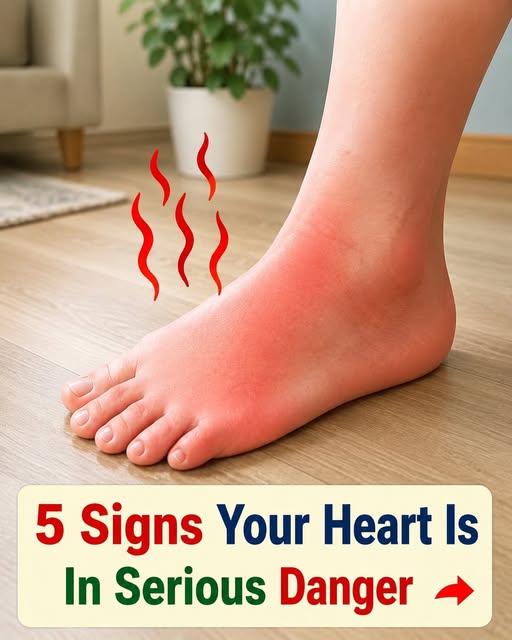
4. Swelling in feet, ankles, or legs
Fluid buildup in the lower body can happen when the heart isn’t pumping effectively.
You might notice:
- Shoes feeling tighter
- Socks leaving deeper marks
- Puffiness that worsens by evening
This can be a sign the circulatory system is under strain.
5. Sleep disturbances and unusual anxiety
Many people don’t connect sleep problems or sudden anxiety with heart issues, but they can be linked.
Possible warning patterns include:
- Waking up short of breath
- Restless sleep without clear reason
- A persistent sense of unease or “impending doom”
These symptoms can reflect changes in oxygen levels, stress hormones, or cardiovascular strain.
Important reality check
These signs do not automatically mean a heart attack is coming, and they can be caused by many other conditions like anemia, anxiety, infections, or thyroid issues.
But what matters is the pattern:
- New symptoms
- Worsening symptoms
- Symptoms that don’t have a clear explanation
Those should never be ignored.
When to seek urgent help
Get immediate medical attention if you experience:
- Chest pain lasting more than a few minutes
- Pain spreading to arm, jaw, back, or neck
- Severe shortness of breath
- Sudden fainting or dizziness
Your heart often speaks quietly before it speaks loudly. The challenge is listening early enough to act.