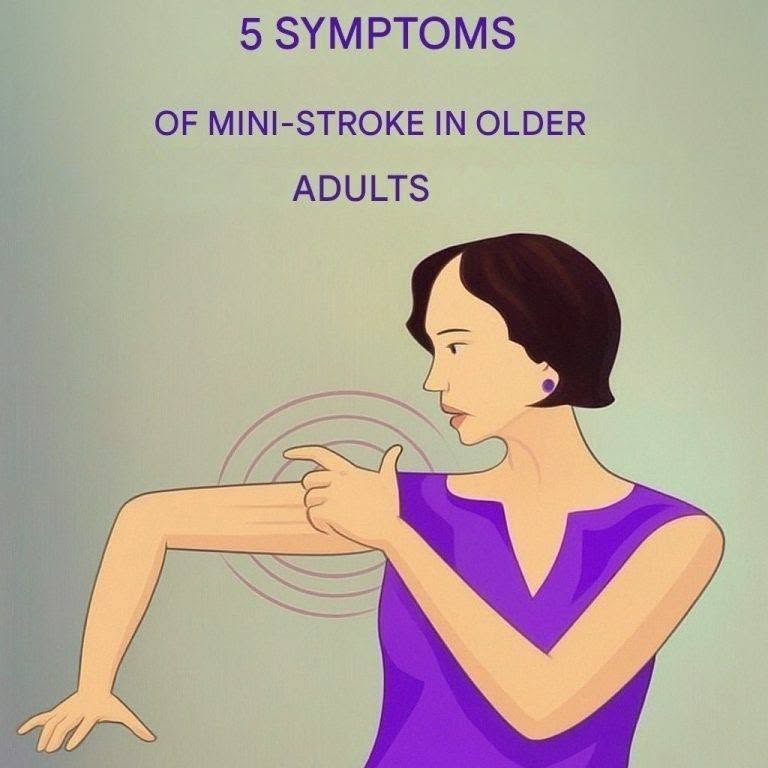
A mini stroke, medically known as a transient ischemic attack (TIA), occurs when blood flow to part of the brain is temporarily blocked. Although the symptoms often resolve within minutes or hours, a TIA should never be ignored. It can serve as a warning sign that a major stroke may occur in the future.
Recognizing the symptoms early and seeking immediate medical attention can help prevent serious complications. Here are five common symptoms of a mini stroke in seniors.
1. Sudden Weakness or Numbness on One Side of the Body
One of the most common signs of a mini stroke is sudden weakness or numbness affecting the face, arm, or leg, especially on one side of the body.
Signs to Watch For
- Drooping of one side of the face
- Difficulty lifting one arm
- Numbness in the arm, leg, or face
- Loss of coordination on one side
Even if these symptoms disappear quickly, emergency medical evaluation is essential.
2. Difficulty Speaking or Understanding Speech
A mini stroke can affect the areas of the brain responsible for language and communication.
Signs to Watch For
- Slurred speech
- Trouble finding the right words
- Speaking in a confused manner
- Difficulty understanding what others are saying
Sudden communication problems should always be treated as a medical emergency.
3. Sudden Vision Changes
Temporary disruptions in blood flow can affect the parts of the brain responsible for vision.
Signs to Watch For
- Blurred vision
- Double vision
- Partial loss of vision
- Sudden blindness in one eye
Any sudden change in vision requires prompt medical attention.
4. Dizziness or Loss of Balance
A mini stroke can interfere with balance and coordination, increasing the risk of falls and injuries.
Signs to Watch For
- Unexplained dizziness
- Trouble walking
- Loss of coordination
- Feeling unsteady on your feet
These symptoms may occur suddenly and without warning.
5. Sudden Severe Headache
Although less common, a sudden and intense headache can sometimes occur during a mini stroke.
Signs to Watch For
- A headache that appears suddenly
- Severe pain unlike previous headaches
- Headache accompanied by confusion or vision changes
- Headache with weakness or numbness
A sudden severe headache should always be evaluated immediately.
Remember the FAST Warning Signs
Healthcare professionals often use the acronym FAST to help identify stroke symptoms:
- F — Face: Is one side of the face drooping?
- A — Arms: Is one arm weak or numb?
- S — Speech: Is speech slurred or difficult?
- T — Time: Call emergency services immediately if any symptoms appear.
Even if symptoms disappear, emergency medical care is still necessary because a TIA can be a warning sign of a future stroke.
When to Seek Medical Help
Seek emergency medical attention immediately if you or a loved one experiences:
- Sudden weakness or numbness
- Speech difficulties
- Vision changes
- Loss of balance
- A sudden severe headache
Do not wait for symptoms to improve on their own.
Final Thoughts
A mini stroke may be temporary, but it should never be considered harmless. Sudden weakness, speech problems, vision changes, dizziness, and severe headaches can all be warning signs. Quick recognition and immediate medical evaluation can reduce the risk of a future stroke and help protect long-term brain health.