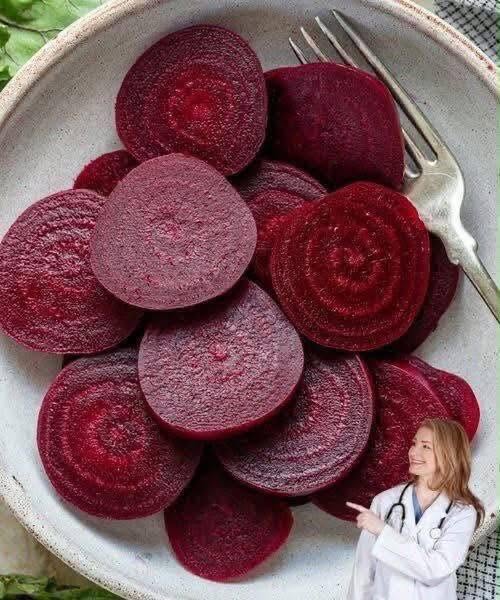
Discover the science-backed health benefits of eating beets, including their effects on blood pressure, exercise performance, heart health, digestion, and overall wellness.
Doctors Reveal What Happens When You Eat Beets
Beets are among the most nutrient-dense vegetables available, known for their vibrant color, earthy flavor, and impressive health benefits. Rich in vitamins, minerals, antioxidants, and naturally occurring nitrates, beets have gained attention from researchers and healthcare professionals for their potential to support heart health, physical performance, and overall well-being.
Here is a closer look at what may happen when you regularly include beets in your diet.
1. Your Blood Pressure May Improve
One of the most well-known benefits of beets is their high nitrate content. When consumed, dietary nitrates are converted into nitric oxide in the body, which helps relax and widen blood vessels.
This process may:
- Improve blood flow
- Support healthy circulation
- Help lower blood pressure in some individuals
Because of these effects, beets are often recommended as part of a heart-healthy eating pattern.
2. You May Experience Better Exercise Performance
Athletes and fitness enthusiasts often consume beet juice before workouts because nitrates can improve oxygen delivery to working muscles.
Potential benefits include:
- Increased endurance
- Improved exercise efficiency
- Reduced fatigue during prolonged physical activity
- Enhanced athletic performance
Research suggests that the body may use oxygen more efficiently after consuming nitrate-rich foods such as beets.
3. Your Heart Health May Benefit
The nutrients found in beets support cardiovascular health in several ways.
Beets contain:
- Potassium, which helps regulate blood pressure
- Folate, important for healthy blood vessels
- Antioxidants that help combat oxidative stress
Together, these nutrients may contribute to better heart function and long-term cardiovascular wellness.
4. Your Digestive System May Function More Smoothly
Beets are a good source of dietary fiber, which supports digestive health.
Fiber can help:
- Promote regular bowel movements
- Support beneficial gut bacteria
- Increase feelings of fullness
- Improve overall digestive function
Including fiber-rich vegetables like beets in your diet may contribute to a healthier digestive tract.
5. You Receive Powerful Antioxidants
The deep red and purple pigments in beets come from compounds called betalains.
These antioxidants help:
- Protect cells from damage
- Reduce oxidative stress
- Support the body’s natural defense systems
Antioxidants play an important role in maintaining overall health and may help protect against chronic diseases.
6. You May Support Brain Health
Healthy blood flow is important for cognitive function.
Because nitrates can improve circulation, some studies suggest that beet consumption may help support blood flow to certain areas of the brain, particularly in older adults.
Researchers continue to investigate the potential role of beets in supporting healthy aging and cognitive performance.
7. You May Feel Fuller Longer
The combination of fiber and water content in beets can help increase satiety.
This may:
- Reduce hunger between meals
- Support healthy weight-management efforts
- Encourage balanced eating habits
Beets are relatively low in calories while providing valuable nutrients.
8. Your Body Receives Important Nutrients
Beets provide several essential nutrients, including:
- Folate
- Potassium
- Manganese
- Vitamin C
- Fiber
- Iron (in smaller amounts)
These nutrients contribute to normal cellular function, energy metabolism, immune health, and overall wellness.
Why Does Urine Turn Pink or Red After Eating Beets?
Some people notice pink or reddish urine or stool after consuming beets. This harmless phenomenon is called beeturia.
Beeturia:
- Is generally harmless
- Occurs when beet pigments pass through the digestive system
- Varies from person to person
While usually normal, persistent changes in urine color unrelated to beet consumption should be discussed with a healthcare professional.
Are There Any Risks?
For most people, beets are safe and nutritious. However:
Kidney Stone Concerns
Beets contain oxalates, which may contribute to kidney stone formation in susceptible individuals.
Low Blood Pressure
Because beets may help lower blood pressure, individuals taking blood pressure medications should monitor their levels and consult their healthcare provider if needed.
Digestive Effects
Large amounts of beets may occasionally cause:
- Bloating
- Gas
- Mild digestive discomfort
The Bottom Line
Eating beets may support heart health, improve circulation, enhance exercise performance, promote digestive health, and provide powerful antioxidants. Their unique combination of nitrates, fiber, vitamins, and minerals makes them a valuable addition to a balanced diet.
Whether roasted, steamed, added to salads, blended into smoothies, or enjoyed as juice, beets offer a simple and nutritious way to support overall health.