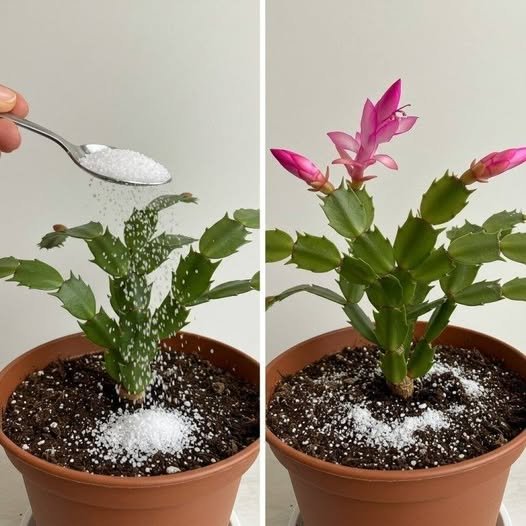
Fall Awakening: Breathing Life into House Flowers with a Little Secret
As the vibrant days of summer fade and cooler autumn temperatures settle in, many houseplants begin to show signs of slowing down. Growth may become less vigorous, leaves can lose some of their shine, and flowering plants often produce fewer blooms. For plant lovers, this seasonal transition can feel like watching their indoor garden lose a bit of its magic.
Fortunately, there are simple ways to help houseplants thrive during the fall months. The “little secret” isn’t a miracle cure—it’s a combination of proper care, attention, and a few plant-friendly techniques that support healthy growth when daylight hours begin to shorten.
Why Houseplants Struggle in Fall
Fall brings several environmental changes that can affect indoor plants:
- Reduced sunlight exposure
- Lower humidity levels due to indoor heating
- Cooler temperatures near windows
- Changes in watering needs
These factors can stress plants and make them appear dull or less healthy than they did during the growing season.
The Secret: Adjust Care to Match the Season
Many people continue caring for houseplants exactly as they did during summer. However, most indoor plants benefit when their care routine changes with the seasons.
1. Reduce Watering
As growth slows, plants generally require less water. Overwatering is one of the most common causes of yellow leaves and root problems during fall and winter.
Tip: Check the soil before watering. If the top inch feels dry, it’s usually time to water.
2. Increase Available Light
Shorter days mean less natural light. Move plants closer to bright windows or rotate them regularly so all sides receive adequate exposure.
Plants such as Peace Lily, Pothos, and Spider Plant can tolerate lower light, but they still appreciate brighter conditions during fall.
3. Boost Humidity
Indoor heating often dries out the air. Many tropical houseplants thrive in higher humidity environments.
You can:
- Use a humidifier
- Group plants together
- Place water trays near plants
- Mist humidity-loving species occasionally
4. Feed Carefully
Most houseplants require less fertilizer during the cooler months. Instead of frequent feeding, consider reducing fertilizer applications or using a diluted solution.
Natural Ways to Revitalize Flowering Plants
If your flowering houseplants seem tired, a gentle nutrient boost may help.
Some gardeners use homemade plant tonics made from:
- Compost tea
- Banana peel water
- Diluted aquarium water
- Organic houseplant fertilizers
These options can provide nutrients that support healthy roots, foliage, and blooms when used appropriately.
Signs Your Plant Is Responding Well
Healthy plants entering the fall season often show:
- Firm, vibrant leaves
- New growth at stem tips
- Strong root development
- Improved flowering in bloom-producing varieties
Small improvements can indicate that your adjustments are working.
Common Mistakes to Avoid
- Overwatering dormant plants
- Placing plants near heating vents
- Ignoring pest problems
- Applying excessive fertilizer
- Leaving plants in dark corners for extended periods
A little prevention can save a struggling plant from significant stress.
Final Thoughts
Fall doesn’t have to mean the end of lush, thriving houseplants. By adapting your care routine to seasonal conditions, providing adequate light, managing moisture carefully, and offering occasional nutritional support, you can help your indoor flowers and foliage stay healthy throughout autumn and beyond.
Sometimes the real “secret” to bringing houseplants back to life isn’t a special ingredient—it’s understanding what your plants need as the seasons change and responding with consistent, thoughtful care.