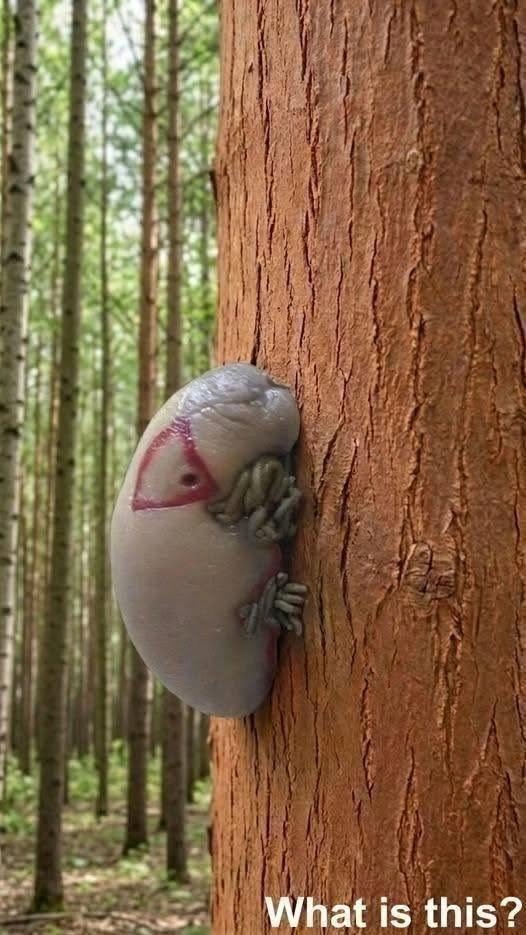
When most people encounter a bright red slug crawling across the forest floor, their first reaction is often surprise—or even fear. Its striking crimson color, unusual shape, and slow, deliberate movement can make it seem like something from another world. But this remarkable creature, known as the Red Triangle Slug, is one of nature’s most fascinating and harmless invertebrates.
Found only in parts of eastern Australia, the Red Triangle Slug plays an important role in maintaining healthy forests by helping break down decaying plant material. Its vivid appearance is not something to fear but rather a reminder of the incredible diversity found in the natural world.
What Is the Red Triangle Slug?


The Red Triangle Slug (scientific name: Triboniophorus graeffei) is a large land slug native to the rainforests and moist woodlands of Australia’s east coast. It gets its common name from the distinctive bright red or orange triangular patch located near the front of its body.
Unlike many garden slugs that are brown or gray, this species stands out with its creamy white, beige, or pale body contrasted by a vivid red triangle that serves as its signature feature.
Where Does It Live?
The Red Triangle Slug is primarily found in:
- Queensland
- New South Wales
- Moist eucalyptus forests
- Rainforests
- Shaded gardens near native bushland
It thrives in cool, damp environments where humidity remains high throughout much of the year.
Because slugs lose moisture easily, they usually remain hidden during hot, dry weather and become active after rainfall or during cool evenings.
Why Is It So Brightly Colored?
Nature often uses bright colors as a warning.
Although the Red Triangle Slug is not dangerous to humans, its vivid coloration may discourage predators from attempting to eat it.
This type of warning coloration, known as aposematism, is common among many animals that are unpleasant to taste or capable of producing defensive secretions.
The slug also produces large amounts of sticky mucus when disturbed, making it difficult for predators to swallow.
Is the Red Triangle Slug Dangerous?
No.
Despite its unusual appearance, the Red Triangle Slug is considered harmless to people.
It does not:
- Bite
- Sting
- Inject venom
- Spread toxins through touch
However, like all wild animals, it is best appreciated without handling it unnecessarily.
If you do touch one, simply wash your hands afterward.
An Amazing Defense Mechanism
One of the slug’s most fascinating adaptations is its mucus.
When threatened, it secretes an exceptionally thick, sticky slime that can adhere strongly to surfaces and predators.
Researchers have studied slug mucus because its remarkable adhesive properties may inspire new medical glues and wound dressings that work even on wet surfaces.
What Does It Eat?
The Red Triangle Slug is primarily a decomposer.
Its diet includes:
- Decaying leaves
- Dead plant material
- Fungi
- Algae
- Organic debris
By feeding on decomposing matter, it helps recycle nutrients back into the soil.
This natural recycling process supports healthy forest ecosystems.
Why Slugs Matter
Although slugs are often viewed as garden pests, many native species provide important ecological services.
The Red Triangle Slug helps:
- Break down dead vegetation
- Improve soil quality
- Support nutrient cycling
- Provide food for native wildlife
- Maintain healthy forest ecosystems
Without decomposers like slugs, forests would accumulate thick layers of decaying plant material.
When Are They Most Active?
These slugs are usually active:
- After rain
- During humid weather
- At night
- Early in the morning
- On cool, overcast days
During dry conditions, they seek shelter beneath logs, rocks, or leaf litter to avoid dehydration.
Can You Keep One as a Pet?
While some people are fascinated by their appearance, Red Triangle Slugs are best left in their natural habitat.
They require specific environmental conditions, including:
- High humidity
- Stable temperatures
- Natural food sources
- Moist leaf litter
Removing native wildlife from the wild can also negatively affect local ecosystems.
Fun Facts About the Red Triangle Slug
- It can grow up to about 14 centimeters (5.5 inches) long.
- Every individual carries both male and female reproductive organs, a characteristic common among land slugs.
- It leaves behind a shimmering slime trail that helps it move across rough surfaces.
- It breathes through a small opening called a pneumostome located on the side of its body.
- Despite lacking a shell, it is closely related to snails.
How to Observe One Responsibly
If you’re lucky enough to spot a Red Triangle Slug:
- Observe it from a respectful distance.
- Avoid touching or moving it.
- Never pour salt on slugs, as it causes severe dehydration and suffering.
- Leave logs, leaf litter, and other natural shelters undisturbed.
- Photograph it instead of collecting it.
Final Thoughts
The Red Triangle Slug proves that unusual creatures are often among the most important members of an ecosystem. While its brilliant red marking and unusual appearance may initially spark fear, a closer look reveals a harmless, slow-moving decomposer that plays a vital role in Australia’s forests. By recycling organic matter and contributing to healthy soils, this remarkable slug helps sustain the environments it calls home. The next time you encounter one after a rainy day, let curiosity replace fear—you’ll be witnessing one of nature’s most unique and beautiful invertebrates.