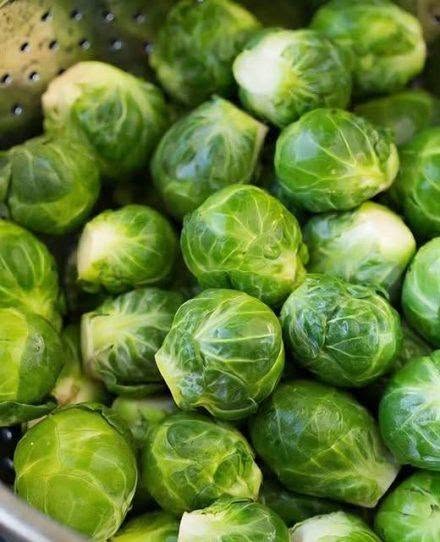
Let’s be real for a second—Brussels sprouts have one of the worst reputations in the vegetable world. For many people, they belong in the same category as overcooked broccoli and mystery school cafeteria greens: tolerated, not enjoyed.
So the question stands: does anyone actually eat Brussels sprouts on purpose?
The surprising answer is yes—but not for the reason you might think.
The Vegetable Everyone Used to Hate
For decades, Brussels sprouts were treated like a punishment food.
Most people’s first experience looked something like this:
- Boiled until soft and mushy
- Slightly gray-green in color
- Strong sulfur smell filling the kitchen
- Bitter taste that lingered longer than the meal
That version of Brussels sprouts didn’t just fail—it actively traumatized a generation of eaters.
So when people say they “don’t like Brussels sprouts,” what they often mean is:
“I don’t like how they were cooked in my childhood.”
The Plot Twist: Cooking Actually Changes Everything
Somewhere along the way, chefs and home cooks discovered something important:
Brussels sprouts are not the problem. Overcooking them is.
When prepared correctly, they transform completely.
The modern version looks like this:
- Roasted at high heat
- Crispy, caramelized edges
- Slightly nutty, almost sweet flavor
- Tender but not mushy texture
Add olive oil, salt, and a hot oven, and suddenly the same vegetable people once avoided starts showing up on restaurant menus everywhere.
Why People Actually Eat Them Now
Today, Brussels sprouts have quietly become trendy.
You’ll find them:
- As side dishes in modern restaurants
- Tossed with bacon, garlic, or balsamic glaze
- Shaved into salads for crunch
- Even deep-fried in some places
The reason people now willingly eat them is simple:
They stopped tasting like “vegetables you have to eat” and started tasting like “food you want to eat.”
The Psychology of the Brussels Sprout Comeback
Food memories are powerful. A single bad childhood experience can define how we feel about a dish for years.
Brussels sprouts are a perfect example of this:
- Old memory = bitter, soggy, unpleasant
- New experience = crispy, savory, addictive
So when someone tries properly cooked Brussels sprouts for the first time as an adult, the reaction is often:
“Wait… this is what they were supposed to taste like?”
But Let’s Be Honest—Not Everyone Is Converted
Even with their glow-up, Brussels sprouts still have their critics.
Some people:
- Don’t like the texture, even when roasted
- Still detect bitterness
- Prefer other vegetables no matter how they’re cooked
- Simply refuse to revisit childhood food trauma
And that’s fair. Taste is personal, not a debate to win.
So, Does Anyone Actually Eat Them?
Yes—but with an important distinction:
- People don’t usually love boiled Brussels sprouts
- They do love well-cooked, roasted Brussels sprouts
- And a lot of people only discovered that difference recently
In other words, Brussels sprouts didn’t change.
We just finally learned how to treat them properly.
Final Thought
Brussels sprouts are one of those rare foods that prove a simple point:
Sometimes it’s not the ingredient people hate—it’s the way it was introduced to them.
And once you get the cooking right, they stop being a joke vegetable and start becoming something people actually look forward to eating.
If you want, I can turn this into a funny viral rant version, a restaurant-style foodie article, or even a “Brussels sprouts recipe glow-up” post with cooking tips.