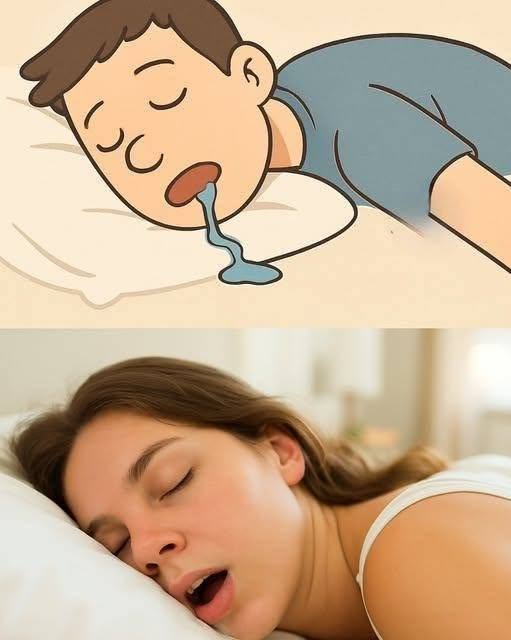
Waking up with a damp pillow or noticing drool on your face can feel a bit embarrassing—but it’s actually far more common than most people think. Nighttime drooling doesn’t automatically point to a serious health problem, but it can be your body sending subtle clues about how you sleep, breathe, or even how your muscles relax at night.
So what does it really mean when you drool while sleeping? The answer is more interesting—and more normal—than you might expect.
First, Is Night Drooling Normal?
Yes. In many cases, drooling during sleep is completely normal.
When you’re asleep, your body goes into a relaxed state. The muscles in your face and jaw loosen, swallowing slows down, and saliva can build up and escape from your mouth—especially if your mouth is slightly open.
So in simple terms:
drooling usually means your body is relaxed enough to stop “actively managing” saliva.
Common Reasons You Might Drool at Night
1. Sleeping on Your Side or Stomach
Your sleep position plays a big role. When you sleep sideways or face-down, gravity allows saliva to escape more easily from your mouth.
Back sleepers generally drool less, but not always.
2. Mouth Breathing While Sleeping
One of the most common causes is breathing through your mouth instead of your nose.
This can happen due to:
- Nasal congestion
- Allergies
- Deviated septum
- Sinus issues
When your mouth stays open, saliva doesn’t get swallowed as often.
3. Deep Sleep Stages
During deeper stages of sleep (like REM sleep), your swallowing reflex slows down. Your brain is fully focused on rest, not on managing saliva.
This is actually a sign of healthy, deep sleep in many cases.
4. Excess Saliva Production
Sometimes your body simply produces more saliva than usual due to:
- Acid reflux
- Certain foods before bed
- Medications
- Dental irritation
More saliva + relaxed muscles = drooling.
5. Sleep Disorders (Less Common)
In some cases, excessive drooling may be linked to sleep-related conditions such as:
- Sleep apnea (especially if mouth breathing is frequent)
- Poor airway alignment during sleep
But drooling alone is not enough to diagnose anything.
Is It a Sign of Good or Bad Health?
Here’s the balanced truth:
- Most of the time: harmless and normal
- Sometimes: linked to nasal or sleep issues
- Rarely: connected to neurological or medical conditions
The key is context. Drooling by itself is not a warning sign. It becomes more meaningful only when paired with other symptoms.
When Should You Pay Attention?
Consider looking deeper if drooling is accompanied by:
- Loud snoring or gasping during sleep
- Chronic nasal blockage
- Daytime fatigue despite full sleep
- Morning headaches
- Difficulty breathing through the nose
- Sudden increase in drooling without explanation
These could suggest an underlying sleep or airway issue that may need attention.
Simple Ways to Reduce Night Drooling
If it bothers you, a few small changes may help:
- Try sleeping on your back
- Treat allergies or nasal congestion
- Avoid heavy meals before bed
- Maintain good oral hygiene
- Stay hydrated (dehydration can worsen saliva imbalance)
In more persistent cases, a doctor or sleep specialist can help identify the cause.
The Bottom Line
Drooling at night is usually not a sign of illness—it’s a sign your body has fully relaxed during sleep. In most cases, it simply reflects sleep position, mouth breathing, or deep rest.
Think of it less as a “problem” and more as a sleep byproduct your body doesn’t bother correcting while you’re offline.
If you want, I can also write this as a clickbait-style viral post (“Doctors Reveal Why You Wake Up Drooling”) or a more medical, SEO-optimized article for Google ranking.