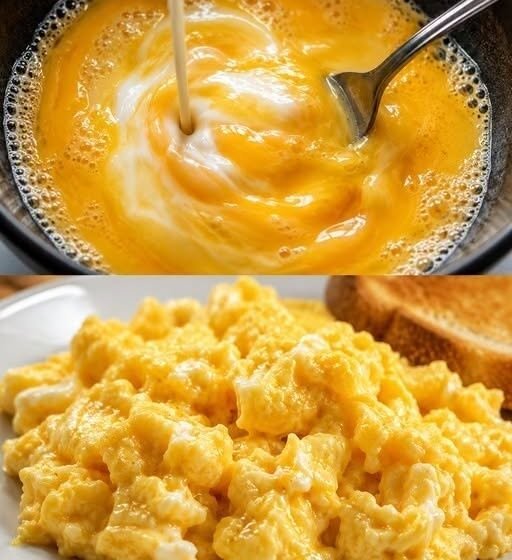
Scrambled eggs are one of the easiest breakfasts to make, yet getting them perfectly soft, fluffy, and creamy can be surprisingly tricky. Many people end up with eggs that are dry, rubbery, or overcooked simply because they use too much heat or cook them for too long.
If you’ve ever wondered how restaurants serve scrambled eggs that practically melt in your mouth, the good news is that the secret isn’t expensive ingredients or fancy equipment. It’s all about using the right technique.
Here’s the simple hack that can transform your scrambled eggs into a delicious breakfast your whole family will enjoy.
Why Scrambled Eggs Sometimes Turn Out Dry
Eggs are rich in protein, and those proteins begin to tighten as they cook. High heat causes them to contract quickly, squeezing out moisture and leaving the eggs firm and dry.
The key to creamy scrambled eggs is slow, gentle cooking, which allows the proteins to set gradually while retaining moisture.
The Fluffy Egg Hack
One of the easiest ways to improve scrambled eggs is to whisk them thoroughly and cook them over low heat with a small amount of butter.
Many cooks also add a splash of dairy before cooking.
Popular options include:
- Milk
- Heavy cream
- Half-and-half
- Crème fraîche
Some chefs prefer skipping milk entirely and instead stirring in a small knob of butter at the end for extra richness. Both methods can produce excellent results, though the texture differs slightly.
Ingredients
For two servings, you’ll need:
- 4 large eggs
- 1 tablespoon butter
- 1–2 tablespoons milk or cream (optional)
- Salt, to taste
- Freshly ground black pepper
- Chopped chives or parsley (optional)
Step-by-Step Instructions
1. Crack and Whisk
Crack the eggs into a bowl.
Whisk them vigorously for about one minute until the yolks and whites are fully combined and slightly frothy. Incorporating air helps create a lighter texture.
2. Add Dairy (Optional)
If desired, stir in a tablespoon or two of milk or cream.
This can contribute to a softer consistency, although opinions vary among chefs.
3. Heat the Pan Gently
Place a nonstick skillet over low to medium-low heat.
Add the butter and allow it to melt without browning.
4. Pour in the Eggs
Once the butter has melted, add the eggs.
Let them sit for a few seconds before gently stirring with a silicone spatula or wooden spoon.
5. Stir Slowly
Rather than constantly whisking, gently push the eggs from the edges toward the center, allowing uncooked egg to flow into the empty spaces.
Continue this slow folding motion throughout cooking.
6. Remove Them Early
Take the pan off the heat while the eggs still look slightly glossy and a little underdone.
The residual heat will finish cooking them without drying them out.
Extra Tips for Restaurant-Style Eggs
Use Fresh Eggs
Fresh eggs usually have firmer whites and richer flavor.
Don’t Overcrowd the Pan
A smaller batch cooks more evenly and is easier to control.
Season at the Right Time
Many chefs recommend adding salt just before or during cooking rather than long beforehand, as extended salting may slightly affect texture.
Finish with Butter
A small piece of butter stirred in after removing the pan from the heat creates a silky finish.
Add Fresh Herbs
Try:
- Chives
- Dill
- Parsley
- Green onions
They add freshness without overpowering the eggs.
Delicious Add-Ins
Once you’ve mastered the basic technique, customize your eggs with ingredients like:
- Shredded cheddar cheese
- Feta
- Parmesan
- Sautéed mushrooms
- Spinach
- Tomatoes
- Bell peppers
- Smoked salmon
- Cooked ham
- Crispy bacon
Add cooked vegetables or meats near the end of cooking so the eggs don’t become watery.
Common Mistakes to Avoid
Cooking Over High Heat
High heat often leads to tough, rubbery eggs.
Overcooking
Eggs continue cooking after they’re removed from the pan.
Taking them off the heat a little early helps preserve their creamy texture.
Not Whisking Enough
Thorough whisking creates a more uniform mixture and helps produce fluffier eggs.
Using Too Little Fat
Butter not only enhances flavor but also helps keep the eggs tender.
Are Scrambled Eggs Healthy?
Yes. Eggs are a nutrient-rich food that provides:
- High-quality protein
- Vitamin B12
- Vitamin D
- Choline
- Selenium
- Riboflavin
When paired with whole-grain toast, fruit, or vegetables, scrambled eggs can be part of a balanced breakfast.
Frequently Asked Questions
Should I add milk?
It’s a matter of preference. Milk or cream can create a softer texture, while many chefs prefer using only eggs and butter for a richer flavor.
Why are restaurant scrambled eggs so creamy?
Restaurants often cook eggs slowly over low heat, use plenty of butter, and remove them from the heat before they’re fully set.
Can I make scrambled eggs without butter?
Yes. Olive oil or other cooking fats can be used, though the flavor and texture will be slightly different.
What’s the best pan for scrambled eggs?
A nonstick skillet is usually the easiest option because it helps prevent sticking and allows gentle stirring.
Final Thoughts
Perfect scrambled eggs don’t require special equipment or complicated recipes—just a little patience and the right technique. Whisk the eggs well, cook them gently over low heat, stir slowly, and remove them from the heat while they’re still soft and glossy. Whether you enjoy them plain or loaded with your favorite toppings, these simple tips can help you create fluffy, creamy scrambled eggs that make breakfast something to look forward to every morning.