Discover how certain plants may support digestive and liver health. Learn what the science says about natural compounds, gut bacteria, and healthy habits for overall wellness.
The Natural Bacteria Fighter: How Certain Plants May Support Gut and Liver Health
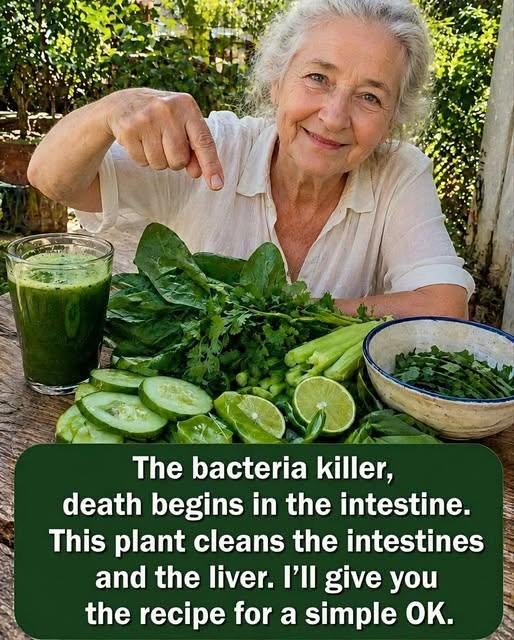
You may have seen headlines claiming, “Death begins in the gut” or “This plant kills bacteria and cleanses the intestines and liver.” While these statements are attention-grabbing, they oversimplify how the human body works.
The gut and liver play vital roles in digestion, immunity, and overall health. However, no single plant can “cleanse” these organs or eliminate all harmful bacteria. Instead, certain herbs, vegetables, and plant-based foods contain natural compounds that may support a healthy digestive system and help maintain normal liver function as part of a balanced diet.
Let’s explore what science tells us.
Why Gut Health Matters
Your digestive tract is home to trillions of microorganisms known as the gut microbiome. These bacteria help:
- Digest certain foods.
- Produce important vitamins.
- Support the immune system.
- Protect against harmful microbes.
- Maintain a healthy digestive tract.
A healthy gut depends on balance—not eliminating bacteria. Many bacteria living in the intestines are beneficial and essential for good health.
The Liver: Your Body’s Natural Filter
The liver performs hundreds of essential functions, including:
- Processing nutrients from food.
- Breaking down medications.
- Producing bile to help digest fats.
- Removing waste products from the blood.
- Supporting normal metabolism.
Contrary to popular claims, the liver naturally detoxifies the body and generally does not require special “cleanses.”
Plants That May Support Digestive Health
Although no plant is a miracle cure, several have been studied for their potential health benefits.
Garlic
Garlic contains sulfur compounds that have shown antimicrobial activity in laboratory studies. It may also support heart health and contribute to a healthy immune system.
Ginger
Ginger has long been used to ease nausea and may support normal digestion by helping food move through the digestive tract.
Turmeric
Turmeric contains curcumin, a compound with anti-inflammatory and antioxidant properties. Research suggests it may support overall health, although more studies are needed to determine its effects on specific conditions.
Leafy Green Vegetables
Spinach, kale, and other leafy greens provide fiber, vitamins, and antioxidants that help nourish beneficial gut bacteria and support digestive health.
Fermented Foods
Foods such as yogurt, kefir, kimchi, and sauerkraut contain beneficial microorganisms that may help maintain a balanced gut microbiome.
Foods That Help Feed Good Gut Bacteria
Rather than trying to eliminate bacteria, focus on feeding the beneficial ones.
Excellent choices include:
- Oats.
- Bananas.
- Apples.
- Onions.
- Garlic.
- Asparagus.
- Beans and lentils.
- Whole grains.
These foods contain fiber that beneficial bacteria use as fuel.
Healthy Habits for Gut and Liver Wellness
Supporting your digestive system doesn’t require expensive detox programs.
Instead, try to:
- Eat a variety of fruits and vegetables.
- Choose high-fiber foods regularly.
- Stay physically active.
- Drink enough water.
- Limit alcohol consumption.
- Avoid smoking.
- Get adequate sleep.
- Manage stress.
These lifestyle habits have much stronger scientific support than detox products or miracle remedies.
Can Plants Replace Medical Treatment?
No. While many plants contain beneficial nutrients and natural compounds, they cannot replace medical care for bacterial infections, liver disease, or digestive disorders.
If you experience persistent abdominal pain, blood in the stool, unexplained weight loss, yellowing of the skin or eyes, severe diarrhea, or ongoing digestive symptoms, seek medical evaluation.
Frequently Asked Questions
Do I need an intestinal cleanse?
For most healthy people, no. Your digestive system naturally removes waste, and there is little scientific evidence that commercial cleanses improve health.
Can one plant detox the liver?
No single food or herb can detoxify the liver. The liver already performs this function naturally. A balanced diet and healthy lifestyle help support normal liver function.
Are all gut bacteria harmful?
No. Most gut bacteria are beneficial and play an important role in digestion, immunity, and overall health.
Final Thoughts
Healthy digestion begins with nourishing your body—not chasing miracle cures. While plants like garlic, ginger, turmeric, and fiber-rich vegetables may support digestive and overall health, they do not “cleanse” the intestines or liver or eliminate all bacteria. The goal is to maintain a balanced gut microbiome and support your body’s natural processes through nutritious foods, regular exercise, adequate sleep, and routine medical care when needed.