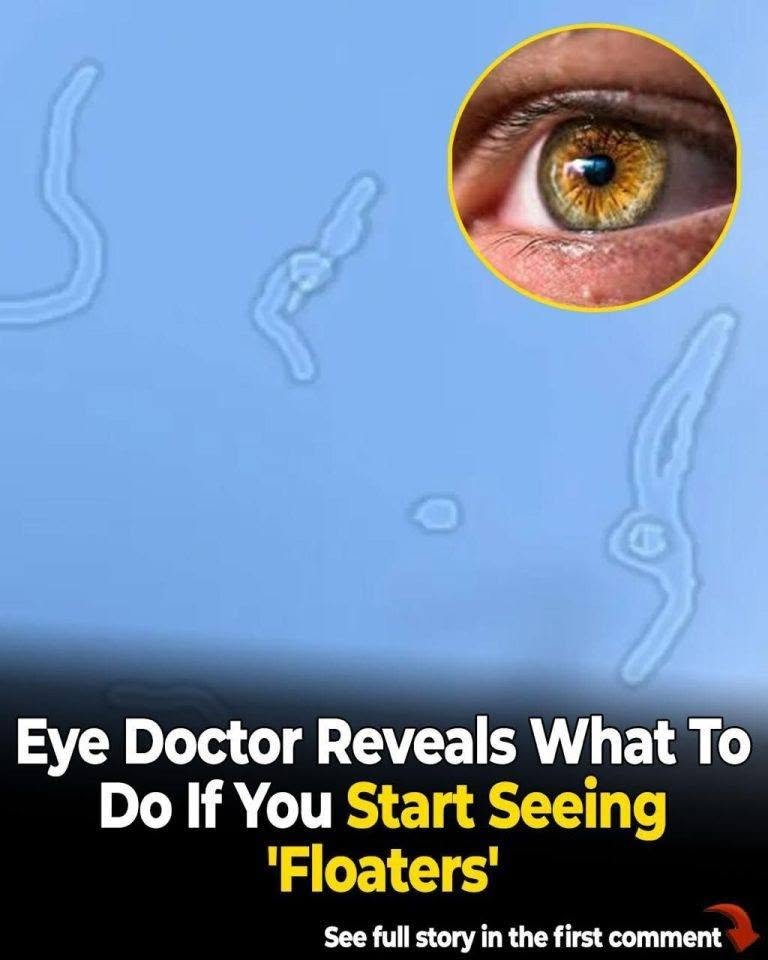
Have you ever noticed tiny specks, squiggly lines, cobweb-like strands, or shadowy dots drifting across your vision, especially when looking at a bright sky or a white wall? These are known as eye floaters. While they are often a normal part of aging and usually harmless, they can sometimes signal a more serious eye condition that requires prompt medical attention.
Understanding what eye floaters are, why they occur, and when to seek medical care can help you protect your vision.
What Are Eye Floaters?
Eye floaters are small clumps of collagen fibers or gel-like material that form inside the vitreous, the clear, jelly-like substance that fills the inside of your eye. As light enters the eye, these tiny particles cast shadows on the retina—the light-sensitive tissue at the back of the eye—making them appear as floating spots or shapes in your field of vision.
Because the floaters move within the vitreous, they often seem to drift away when you try to look directly at them.
What Do Eye Floaters Look Like?
People describe eye floaters in different ways. They may appear as:
- Tiny black or gray dots
- Thread-like strands
- Cobweb-like shapes
- Squiggly lines
- Transparent circles or rings
- Small shadowy spots
Floaters are usually most noticeable when looking at:
- A bright blue sky
- A blank white wall
- A computer screen
- Snow or other bright backgrounds
What Causes Eye Floaters?
There are several possible causes of eye floaters, ranging from normal aging to more serious eye conditions.
1. Natural Aging
The most common cause is age-related changes in the vitreous. As people get older, the vitreous gradually becomes more liquid and the collagen fibers inside it can clump together. These clumps cast shadows on the retina, creating the appearance of floaters.
This process becomes more common after the age of 50.
2. Posterior Vitreous Detachment (PVD)
As the vitreous shrinks with age, it may separate from the retina. This condition, called posterior vitreous detachment, is common in older adults and often causes a sudden increase in floaters.
Although PVD itself is usually not dangerous, it can occasionally lead to a retinal tear, making prompt evaluation important if symptoms appear suddenly.
3. Nearsightedness (Myopia)
People with significant nearsightedness are more likely to develop floaters at a younger age because the shape of the eye can increase changes in the vitreous.
4. Eye Injury
Trauma to the eye may disturb the vitreous gel or cause bleeding inside the eye, leading to new floaters.
5. Inflammation Inside the Eye
Inflammation affecting the middle layer of the eye, known as uveitis, can release inflammatory cells into the vitreous, causing floaters.
6. Bleeding in the Eye
Conditions such as diabetic eye disease, retinal tears, or blood vessel problems may cause bleeding into the vitreous. Blood cells can appear as numerous new floaters.
7. Retinal Tear or Retinal Detachment
In some cases, new floaters may occur because the vitreous pulls on the retina, causing a tear. If fluid passes through the tear, it can lead to retinal detachment, a medical emergency that threatens vision.
Are Eye Floaters Dangerous?
Most eye floaters are harmless and become less noticeable over time as the brain adapts to them.
However, sudden changes in floaters can sometimes indicate a serious eye problem that requires immediate medical attention.
Warning Signs That Need Urgent Medical Care
Seek emergency eye care immediately if you experience:
- A sudden shower of new floaters
- Flashes of light in one or both eyes
- A dark curtain or shadow moving across your vision
- Sudden loss of part of your vision
- Blurred vision that develops suddenly
- Floaters following an eye injury
These symptoms may indicate a retinal tear or retinal detachment, where early treatment is critical to preserving vision.
How Are Eye Floaters Diagnosed?
An eye care professional can diagnose floaters through a comprehensive eye examination.
This may include:
- Reviewing your symptoms and medical history
- Checking your vision
- Dilating your pupils with eye drops
- Examining the retina and vitreous using specialized instruments
A dilated eye examination is particularly important when floaters appear suddenly.
Can Eye Floaters Be Treated?
Treatment depends on the underlying cause.
Observation
Most floaters do not require treatment. Over time, they often become less noticeable as they settle lower in the eye or the brain learns to ignore them.
Treating the Underlying Condition
If floaters are caused by inflammation, bleeding, or another eye disease, treating that condition may help.
Vitrectomy
For severe cases where floaters significantly interfere with daily activities, an eye surgeon may recommend a vitrectomy, a procedure that removes the vitreous gel and replaces it with a clear solution. Because this surgery carries risks, it is generally reserved for selected cases.
Laser Treatment
Some specialists use laser therapy to break up certain floaters, but it is not suitable for everyone and is less commonly performed. The potential benefits and risks should be discussed with an eye specialist.
Can Eye Floaters Be Prevented?
Age-related floaters cannot usually be prevented, but maintaining good eye health may lower the risk of some eye conditions.
Healthy habits include:
- Scheduling regular eye examinations
- Managing diabetes and high blood pressure
- Wearing protective eyewear during sports or hazardous work
- Eating a balanced diet rich in fruits and vegetables
- Avoiding smoking
- Seeking prompt care for any sudden changes in vision
Final Thoughts
Eye floaters are a common part of aging and, in most cases, are not a cause for concern. They often appear as drifting spots, strings, or cobweb-like shapes that become more noticeable against bright backgrounds.
However, a sudden increase in floaters—especially if accompanied by flashes of light, a shadow over your vision, or vision loss—may signal a retinal tear or detachment and should be evaluated immediately by an eye care professional.
While most floaters simply require monitoring, recognizing the warning signs of a more serious problem can help protect your eyesight.
Disclaimer: This article is for informational purposes only and should not be considered a substitute for professional medical advice, diagnosis, or treatment. If you experience sudden changes in your vision or new eye symptoms, seek prompt evaluation from an eye care professional or emergency medical services.