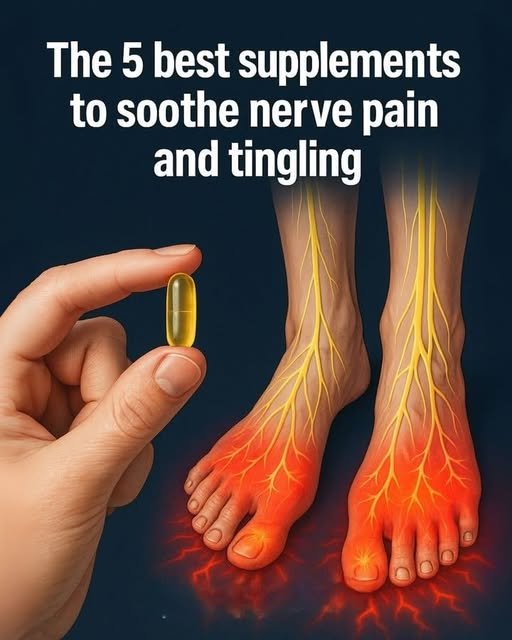
Nerve pain and tingling—often described as pins and needles, burning, numbness, electric shocks, or crawling sensations—can be frustrating and uncomfortable. These symptoms may happen when nerves are irritated or damaged, a condition often called neuropathy.
Many people look for natural ways to support nerve health, and certain vitamins and supplements have been studied for their possible role in maintaining healthy nerves and reducing discomfort. However, supplements work best when a deficiency or specific cause is identified, and they should not replace medical care for serious or worsening symptoms.
Here are five supplements commonly researched for nerve support.
1. Vitamin B12: Essential for Healthy Nerves
Vitamin B12 plays a major role in maintaining the protective covering around nerves called myelin. A deficiency can lead to symptoms such as:
- Tingling in the hands and feet
- Numbness
- Weakness
- Balance problems
- Fatigue
People at higher risk of B12 deficiency include:
- Older adults
- People with absorption problems
- Those following strict vegan diets
- People taking certain acid-reducing medications
Food sources of vitamin B12:
- Eggs
- Fish
- Meat
- Dairy products
- Fortified foods
If a deficiency is present, correcting it may help improve nerve-related symptoms.
2. Alpha-Lipoic Acid (ALA): Antioxidant Support for Nerves
Alpha-lipoic acid is an antioxidant that has been studied, especially in relation to diabetic nerve discomfort.
Research suggests ALA may help some people with symptoms such as:
- Burning sensations
- Tingling
- Nerve discomfort
It may work by helping reduce oxidative stress, which can contribute to nerve damage.
Always discuss supplementation with a healthcare professional, especially if you take medication for diabetes, because ALA may affect blood sugar levels.
3. Vitamin B1 (Benfotiamine): Supporting Nerve Function
Benfotiamine is a fat-soluble form of vitamin B1 (thiamine).
Vitamin B1 is important for:
- Normal nerve function
- Energy production in cells
- Healthy metabolism
Some studies have explored benfotiamine for nerve symptoms, particularly among people with diabetes.
Good food sources of vitamin B1 include:
- Whole grains
- Beans
- Nuts
- Seeds
- Pork
4. Magnesium: A Mineral for Muscle and Nerve Function
Magnesium helps regulate communication between nerves and muscles.
Low magnesium levels may contribute to:
- Muscle cramps
- Twitching
- General discomfort
- Increased nerve sensitivity
Magnesium-rich foods include:
- Spinach
- Almonds
- Pumpkin seeds
- Beans
- Dark chocolate
Supplementation may be helpful for people who are deficient, but excessive magnesium can cause digestive problems and may not be suitable for everyone.
5. Vitamin D: Supporting Overall Nerve Health
Vitamin D is important for:
- Immune function
- Bone health
- Muscle function
Some research has explored links between low vitamin D levels and increased nerve discomfort, especially in certain chronic conditions.
Sources include:
- Sunlight exposure
- Fatty fish
- Egg yolks
- Fortified foods
Testing vitamin D levels can help determine whether supplementation is needed.
Other Natural Compounds Being Studied
Some additional supplements that researchers have investigated for nerve health include:
Omega-3 Fatty Acids
Found in fish oil, omega-3s may support healthy inflammation responses and overall nerve function.
Curcumin (Turmeric Extract)
Curcumin has antioxidant and anti-inflammatory properties and is being studied for various types of discomfort.
Acetyl-L-Carnitine
Some research has examined its potential role in nerve health, especially in certain types of neuropathy.
Important Causes of Nerve Tingling
Tingling and nerve pain can have many possible causes, including:
- Vitamin deficiencies
- Diabetes
- Nerve compression
- Certain medications
- Thyroid problems
- Injuries
- Autoimmune conditions
- Alcohol-related nerve damage
Finding the cause is often the most important step.
Lifestyle Habits That Support Nerve Health
Along with appropriate supplements, these habits may help:
Maintain Healthy Blood Sugar Levels
High blood sugar can damage nerves over time.
Eat a Balanced Diet
Include:
- Vegetables
- Protein-rich foods
- Whole grains
- Healthy fats
Stay Physically Active
Regular movement supports circulation and overall nerve function.
Avoid Excess Alcohol
Alcohol can contribute to nerve damage.
Get Enough Sleep
Rest supports healing and nervous system balance.
When to See a Doctor
Seek medical advice if you experience:
- Sudden numbness or weakness on one side of the body
- Loss of coordination
- Severe or rapidly worsening pain
- Tingling with chest pain or difficulty breathing
- Loss of bladder or bowel control
- New symptoms without an obvious cause
Persistent nerve symptoms should be evaluated to identify the underlying reason.
Final Thoughts
Supplements such as vitamin B12, alpha-lipoic acid, benfotiamine, magnesium, and vitamin D may support nerve health and help some people manage tingling or nerve discomfort, especially when deficiencies or specific conditions are involved.
However, there is no single supplement that works for everyone. The best approach is to identify the cause of nerve symptoms, maintain a nutrient-rich diet, follow healthy habits, and work with a healthcare professional when symptoms continue.
Healthy nerves depend on many factors—and proper nutrition is one important piece of the puzzle.