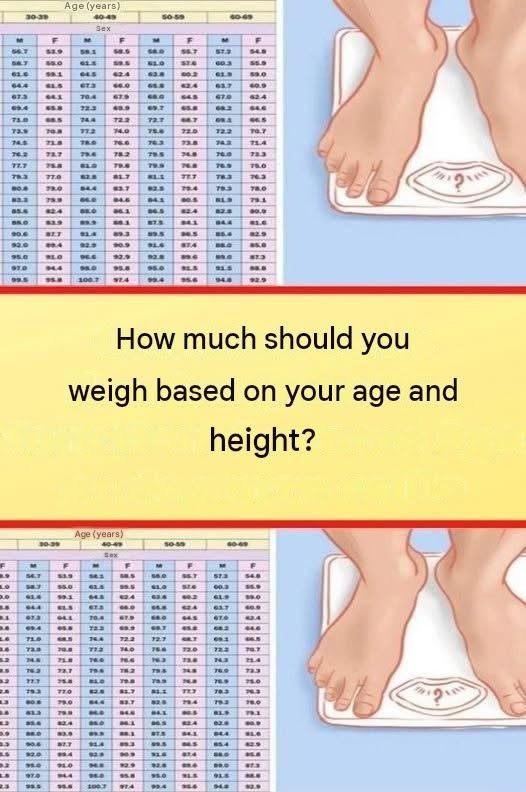
Maintaining a healthy weight is one of the most important factors in living a long and active life. However, many people wonder, “What is my ideal weight?” The answer is not as simple as looking at a number on a weighing scale. Your ideal weight depends on several factors, including your height, age, gender, muscle mass, and overall body composition.
In this guide, we’ll explain what ideal weight means, how it is calculated, and why it matters for your health.
What Is an Ideal Weight?
An ideal weight is a weight range that is generally considered healthy for your height and body type. It is associated with a lower risk of developing health conditions such as heart disease, diabetes, high blood pressure, and joint problems.
It’s important to understand that there is no single perfect weight for everyone. Two people of the same height may have different healthy weights depending on their muscle mass, bone density, and body composition.
Factors That Determine Your Ideal Weight
Several factors influence what is considered a healthy weight for an individual.
1. Height
Height is the most important factor in determining ideal weight. Generally, taller people have a higher healthy weight range than shorter individuals.
For example:
- A person who is 5’2″ (157 cm) naturally weighs less than someone who is 6’0″ (183 cm).
- Weight recommendations are usually based on height.
2. Age
As people age, their metabolism slows down, and body composition changes. Older adults may lose muscle mass and gain body fat even if their weight remains the same.
Children and teenagers should not use adult weight charts because they are still growing.
3. Gender
Men and women have different body compositions.
- Men usually have more muscle mass and heavier bones.
- Women naturally have a higher percentage of body fat, which is normal and healthy.
Because of these differences, healthy weight ranges may vary.
4. Muscle Mass
Muscle weighs more than fat.
For example, an athlete may weigh more than someone of the same height but still be healthier because much of their weight comes from muscle rather than fat.
This is why body composition matters more than the number on the scale.
5. Body Frame
People have different body frames:
- Small frame
- Medium frame
- Large frame
Someone with a larger frame naturally weighs more than someone with a smaller frame, even if both are healthy.
How Is Ideal Weight Calculated?
The most common method is the Body Mass Index (BMI).
BMI compares your weight with your height to estimate whether your weight falls within a healthy range.
The formula is:
BMI = Weight (kg) ÷ Height² (m²)
BMI Categories
| BMI | Category |
|---|---|
| Below 18.5 | Underweight |
| 18.5–24.9 | Healthy Weight |
| 25.0–29.9 | Overweight |
| 30.0 and above | Obesity |
Although BMI is widely used, it has limitations because it does not distinguish between muscle and fat.
Why BMI Isn’t Always Accurate
BMI works well for most adults, but it may not accurately reflect health in every case.
For example:
- Athletes often have a high BMI because of increased muscle mass.
- Elderly people may have a normal BMI but low muscle mass.
- Pregnant women should not rely on BMI alone.
- Children require age-specific growth charts.
Therefore, BMI should be considered a screening tool rather than a definitive diagnosis.
Other Ways to Measure Healthy Weight
Healthcare professionals often use additional measurements.
Waist Circumference
Carrying excess fat around the waist increases the risk of:
- Heart disease
- Type 2 diabetes
- Stroke
Body Fat Percentage
This measures how much of your body consists of fat versus lean tissue.
Healthy body fat percentages vary depending on age and gender.
Waist-to-Hip Ratio
This helps determine where fat is stored and can provide insight into cardiovascular health risks.
Why Maintaining a Healthy Weight Matters
Staying within a healthy weight range offers many benefits.
Better Heart Health
Maintaining a healthy weight helps reduce blood pressure and lowers the risk of heart disease.
Reduced Risk of Diabetes
Excess body fat can make it harder for your body to use insulin effectively.
Improved Joint Health
A healthy weight reduces stress on the knees, hips, and lower back.
Higher Energy Levels
People with a healthy weight often experience greater stamina and reduced fatigue.
Better Mental Well-being
Regular physical activity and healthy eating habits can improve mood, confidence, and overall quality of life.
Tips for Achieving and Maintaining an Ideal Weight
Instead of focusing only on the number on the scale, aim for healthy lifestyle habits.
Eat a Balanced Diet
Choose foods rich in:
- Fruits
- Vegetables
- Whole grains
- Lean proteins
- Healthy fats
Limit processed foods, sugary drinks, and excessive fast food.
Exercise Regularly
Aim for at least 150 minutes of moderate physical activity per week.
Include:
- Walking
- Running
- Cycling
- Swimming
- Strength training
Stay Hydrated
Drinking enough water supports digestion, metabolism, and appetite regulation.
Get Enough Sleep
Adults should aim for 7–9 hours of quality sleep each night, as poor sleep can affect hunger hormones and weight management.
Manage Stress
Long-term stress may lead to emotional eating and weight gain. Techniques such as meditation, deep breathing, and regular exercise can help.
Common Myths About Ideal Weight
Myth 1: Thinner Is Always Healthier
Being underweight can also increase the risk of health problems, including nutrient deficiencies and weakened immunity.
Myth 2: BMI Tells the Whole Story
BMI is useful but does not account for muscle mass, body fat distribution, or overall fitness.
Myth 3: Everyone Should Weigh the Same for Their Height
Individual differences in genetics, muscle mass, and body frame mean there is no universal “perfect” weight.
Final Thoughts
Your ideal weight is not just a single number—it’s a healthy range that supports your overall well-being. While BMI provides a useful starting point, it should be considered alongside factors such as body composition, waist circumference, lifestyle, and overall health.
Rather than chasing an unrealistic number on the scale, focus on building sustainable habits like eating nutritious foods, staying physically active, getting enough sleep, and managing stress. These habits contribute far more to long-term health than any single measurement ever could.