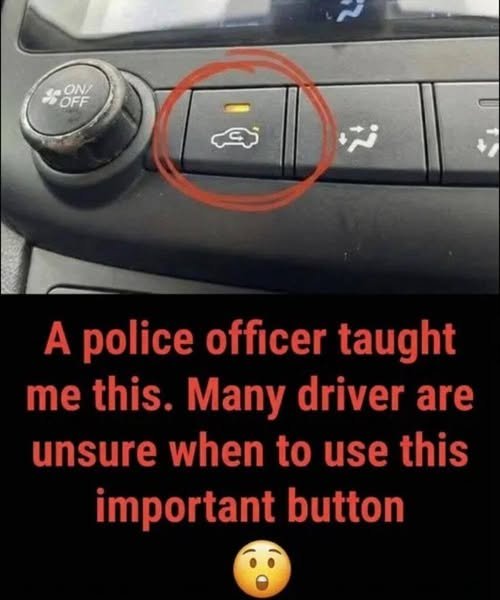
Most drivers use their vehicle’s climate controls every day, but one small button often goes unnoticed or is misunderstood—the air recirculation button. Usually marked with a symbol of a car and a curved arrow looping inside it, this feature can make a significant difference in your comfort, fuel efficiency, and the quality of the air you breathe while driving.
Knowing when to use the air recirculation button—and when to leave it off—can help your heating and air conditioning system work more effectively while creating a more pleasant driving experience.
What Is the Air Recirculation Button?
The air recirculation button tells your vehicle’s ventilation system to reuse the air already inside the cabin instead of continuously pulling fresh air from outside.
When the button is:
- On: The system circulates interior air through the heating or air conditioning system.
- Off: Fresh outside air enters the cabin and replaces the interior air.
The feature works automatically in many modern vehicles under certain conditions, but it can also be activated manually whenever needed.
How Does It Work?
Your vehicle’s HVAC (Heating, Ventilation, and Air Conditioning) system normally draws air through vents located near the windshield.
When you activate air recirculation:
- Outside air intake closes.
- Cabin air is pulled back through the ventilation system.
- The air is cooled or heated again.
- The conditioned air is redistributed throughout the cabin.
Since the system is repeatedly treating already-conditioned air, it requires less effort than constantly heating or cooling new outside air.
Benefits of Using Air Recirculation
1. Faster Cooling on Hot Days
One of the biggest advantages is improved air conditioning performance.
Imagine your car has been sitting in the sun on a 95°F (35°C) day. Once the initial hot air has been vented by opening the windows briefly, switching on recirculation allows the AC to cool the already-cooling cabin air instead of struggling with extremely hot outside air.
This often results in:
- Quicker cabin cooling
- More comfortable temperatures
- Less strain on the air conditioner
2. Improved Fuel Efficiency
Although the fuel savings are generally modest, your air conditioner doesn’t have to work as hard when cooling already-conditioned air.
That means:
- Reduced compressor workload
- Slightly lower engine load
- Potentially improved fuel economy during extended AC use
In electric vehicles, reduced HVAC demand may also help conserve battery range.
3. Blocks Outside Odors
Air recirculation can temporarily keep unpleasant smells from entering the cabin.
Useful situations include:
- Driving behind diesel trucks
- Passing farms
- Traveling through construction zones
- Areas with heavy traffic
- Smoke from wildfires (though it cannot eliminate all smoke particles)
4. Reduces Dust and Pollution
Recirculation limits the amount of:
- Dust
- Pollen
- Road debris
- Exhaust fumes
- Some airborne pollutants
While it doesn’t replace your cabin air filter, it can reduce the amount of outside contaminants entering the vehicle, especially in congested urban traffic.
When Should You Turn It On?
During Hot Weather
This is when recirculation performs best.
After allowing the hottest air to escape by opening the windows for a minute, activate recirculation to maximize cooling efficiency.
In Heavy Traffic
Vehicles in stop-and-go traffic often sit behind buses, trucks, or cars emitting exhaust.
Recirculation helps reduce the amount of polluted outside air entering your cabin.
While Driving Through Tunnels
Tunnels can accumulate vehicle exhaust.
Switching to recirculation before entering can reduce exposure to fumes.
During Dust Storms or Smoky Conditions
Although not a complete solution, recirculation helps minimize the amount of dust or smoke entering the cabin while your HVAC system filters the existing air.
When Should You Turn It Off?
During Cold Weather
In winter, fresh outside air helps reduce moisture inside the cabin.
Leaving recirculation on continuously may allow humidity from passengers’ breath to build up, increasing the likelihood of fogged windows.
When Defrosting Windows
Most vehicles automatically disable recirculation when the defrost setting is selected.
Fresh outside air is generally drier than the moist air inside the cabin, making it more effective at clearing condensation from the windshield and windows.
During Long Trips
Keeping recirculation on for hours isn’t usually necessary. Periodically allowing fresh air into the cabin can improve ventilation and help prevent the interior from feeling stale.
Common Myths About the Air Recirculation Button
Myth 1: It Saves a Huge Amount of Fuel
While recirculation can reduce the workload on the air conditioning system, the fuel savings are typically small and should be viewed as a secondary benefit rather than a primary reason to use it.
Myth 2: Fresh Air Is Always Better
Fresh air is important, but there are times when outside air contains high levels of pollution, dust, smoke, or unpleasant odors. In those situations, temporarily using recirculation can make the cabin more comfortable.
Myth 3: You Should Leave It On All the Time
Continuous recirculation may contribute to increased cabin humidity, particularly in cool or rainy weather. It’s best used selectively based on driving conditions.
Does It Affect Air Quality?
Yes—but in different ways.
Using recirculation:
Can help reduce:
- Vehicle exhaust entering the cabin
- Dust
- Pollen
- Smoke
- Strong odors
However, because the system continually recycles interior air, it doesn’t continuously replace it with fresh outside air. That’s why alternating between recirculation and fresh air can provide a good balance during longer drives.
Tips for Getting the Best Results
- Vent very hot air by opening the windows briefly before turning on the AC.
- Use recirculation once the cabin begins to cool.
- Switch back to fresh air if the windows start fogging.
- Replace your cabin air filter according to your vehicle manufacturer’s maintenance schedule.
- Use defrost mode when visibility is affected by condensation.
Frequently Asked Questions
Does every car have an air recirculation button?
Most modern vehicles include this feature, although some automatic climate control systems manage it without driver input.
Can recirculation reduce allergies?
It may help reduce the amount of pollen and dust entering the cabin, particularly when combined with a clean cabin air filter. However, it does not eliminate allergens entirely.
Why does my car automatically turn off recirculation?
Many vehicles disable it when the defrost mode is selected to improve windshield clearing and visibility.
Does recirculation work with the heater?
Yes. It can help the cabin warm up more quickly by reheating already-warmed interior air, but in cold or damp conditions, prolonged use may increase window fogging.
Final Thoughts
The air recirculation button is a simple yet effective feature that can improve comfort, reduce exposure to outside odors and pollutants, and help your heating and cooling system operate more efficiently. It works best during hot weather, heavy traffic, or dusty conditions, while fresh-air mode is generally preferable for defrosting windows and maintaining cabin ventilation on longer journeys.
Understanding when to switch between recirculation and fresh-air modes allows you to get the most from your vehicle’s climate control system, making every drive more comfortable, efficient, and enjoyable.