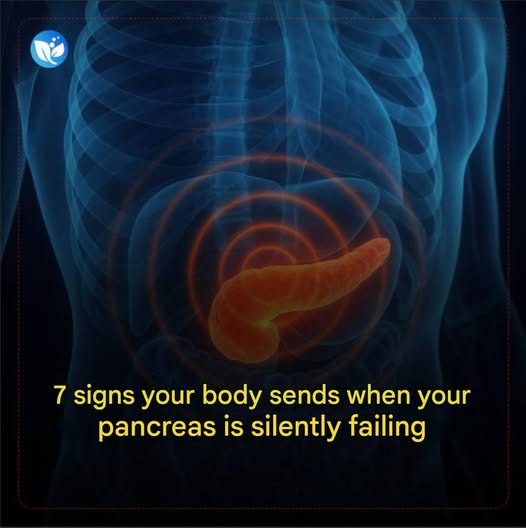
The pancreas is a vital organ that helps digest food and regulates blood sugar by producing insulin. Problems with the pancreas can develop gradually, and early symptoms are sometimes overlooked. Recognizing potential warning signs can help you seek medical care sooner.
Here are seven symptoms that may indicate a pancreatic problem.
1. Persistent Upper Abdominal Pain
Pain in the upper abdomen that may spread to the back is one of the most common symptoms of pancreatic disorders. The pain may worsen after eating, especially fatty meals.
2. Unexplained Weight Loss
Losing weight without trying can occur if the pancreas isn’t producing enough digestive enzymes, making it difficult for your body to absorb nutrients.
3. Greasy or Pale Stools
Stools that are oily, greasy, pale, foul-smelling, or difficult to flush may be a sign that fats are not being digested properly due to pancreatic enzyme insufficiency.
4. Nausea and Vomiting
Persistent nausea or vomiting, particularly when accompanied by abdominal pain, can occur with pancreatitis or other pancreatic conditions.
5. Increased Thirst and Frequent Urination
Because the pancreas produces insulin, damage to the organ can lead to elevated blood sugar levels. Symptoms may include:
- Excessive thirst
- Frequent urination
- Increased hunger
- Fatigue
These may be signs of diabetes and should be evaluated by a healthcare professional.
6. Yellowing of the Skin or Eyes (Jaundice)
A blockage of the bile duct, sometimes caused by pancreatic disease, can lead to jaundice. Other symptoms may include dark urine, pale stools, and itchy skin.
7. Ongoing Fatigue and Weakness
Persistent tiredness can result from poor nutrient absorption, chronic inflammation, or uncontrolled blood sugar related to pancreatic disease.
When to Seek Medical Attention
Contact a healthcare provider promptly if you experience:
- Severe or persistent abdominal pain
- Jaundice (yellow skin or eyes)
- Repeated vomiting
- Unexplained weight loss
- Persistent greasy stools
- New symptoms of high blood sugar
Seek emergency medical care if you develop sudden, severe abdominal pain that radiates to your back, especially if it’s accompanied by fever, vomiting, or fainting, as this could indicate acute pancreatitis or another serious condition.
How to Support Pancreatic Health
- Eat a balanced diet rich in fruits, vegetables, whole grains, and lean proteins.
- Limit alcohol consumption.
- Avoid smoking.
- Maintain a healthy weight.
- Stay physically active.
- Manage conditions such as diabetes and high triglycerides with your healthcare provider.
Disclaimer: These symptoms can have many possible causes and do not necessarily mean your pancreas is failing. Only a qualified healthcare professional can diagnose pancreatic disease through an examination and appropriate tests. Early evaluation is important if symptoms persist or worsen.