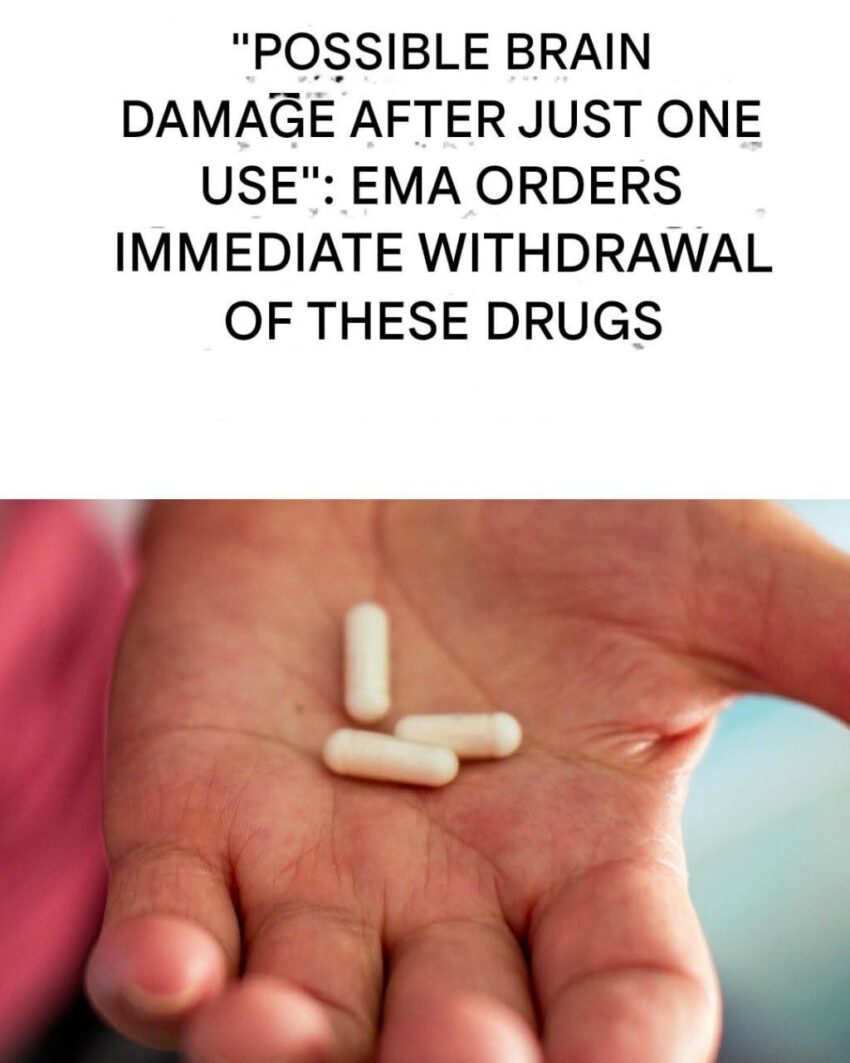
Understand the truth behind viral claims about drug recalls and brain damage warnings from the EMA. Learn how real medicine safety alerts work, what “recall” actually means, and how to identify misinformation.
Introduction
Statements like “brain damage is possible even after a single dose” and “the EMA has ordered an immediate recall” often spread rapidly on social media. These messages sound urgent and alarming, but they are frequently misleading, incomplete, or taken out of context.
To understand whether such a claim is real, it is important to examine how drug safety regulation actually works and what the European Medicines Agency (EMA) really does.
What the EMA Actually Does
The European Medicines Agency (EMA) is responsible for:
- Evaluating medicines before approval in the European Union
- Monitoring safety after approval (pharmacovigilance)
- Issuing warnings when new risks are identified
- Recommending restrictions or changes in usage when needed
- Coordinating recalls in specific situations
However, EMA actions are carefully structured and evidence-based, not sudden or generalized panic responses.
What “Recall” Really Means in Medicine
The word “recall” is often misunderstood.
A recall may involve:
- A specific batch of a medication (not the entire drug)
- A manufacturing defect (contamination, incorrect dosage, packaging error)
- A safety update for certain patient groups
- A temporary suspension while data is reviewed
It does NOT automatically mean:
- The medicine causes brain damage
- The drug is universally dangerous
- All patients must stop using it immediately
About the Claim: “Brain Damage After a Single Dose”
This type of statement raises several red flags:
1. No specific medicine is named
Legitimate safety warnings always include:
- Drug name
- Risk details
- Affected population
- Evidence source
Viral posts usually omit this information.
2. Extreme wording without context
Phrases like:
- “brain damage possible after one dose”
- “immediate recall ordered”
are typically not how medical regulators communicate risk.
3. Lack of official reference
Real EMA safety alerts are published publicly with:
- Scientific assessment
- Risk level classification
- Guidance for doctors and patients
Without a link to an official notice, such claims are unreliable.
How Real Drug Safety Warnings Work
When a serious risk is identified, regulators like EMA may:
Step 1: Investigate reports
Doctors and patients report side effects through pharmacovigilance systems.
Step 2: Analyze evidence
Experts review:
- Clinical trial data
- Real-world patient reports
- Risk patterns
Step 3: Issue guidance
Depending on severity, EMA may:
- Update warning labels
- Restrict use in certain groups
- Require dosage changes
- Suspend or withdraw a product
Step 4: Communicate clearly
Official announcements always include:
- Exact medicine name
- Risk description
- Level of certainty
- Medical recommendations
Why These Viral Claims Spread
False or exaggerated drug warnings spread because they:
- Trigger fear quickly
- Use authority names (like “EMA”)
- Lack technical details (making them harder to verify)
- Are designed for engagement and sharing
This is a common pattern in medical misinformation.
Important Medical Reality
- Most medicines approved in the EU are considered safe when used correctly
- Serious neurological damage from a single approved dose is rare and would be heavily documented
- Side effects exist, but they are studied, classified, and communicated with context
- Abrupt “instant danger” claims are usually not medically accurate
How to Verify Such Claims
Before believing or sharing, check:
- Official EMA website announcements
- National health authority updates
- Name of the drug involved
- Scientific or peer-reviewed sources
- Multiple reputable news outlets
If none of these are present, the claim is likely unreliable.
Conclusion
The statement “brain damage is possible even after a single dose and EMA has ordered immediate recall” is not credible without specific context, documentation, and an official source.
While drug safety monitoring is real and important, regulatory agencies like the EMA communicate in precise, evidence-based language—not generalized viral warnings.
Always verify such claims through official health authorities before accepting or sharing them.