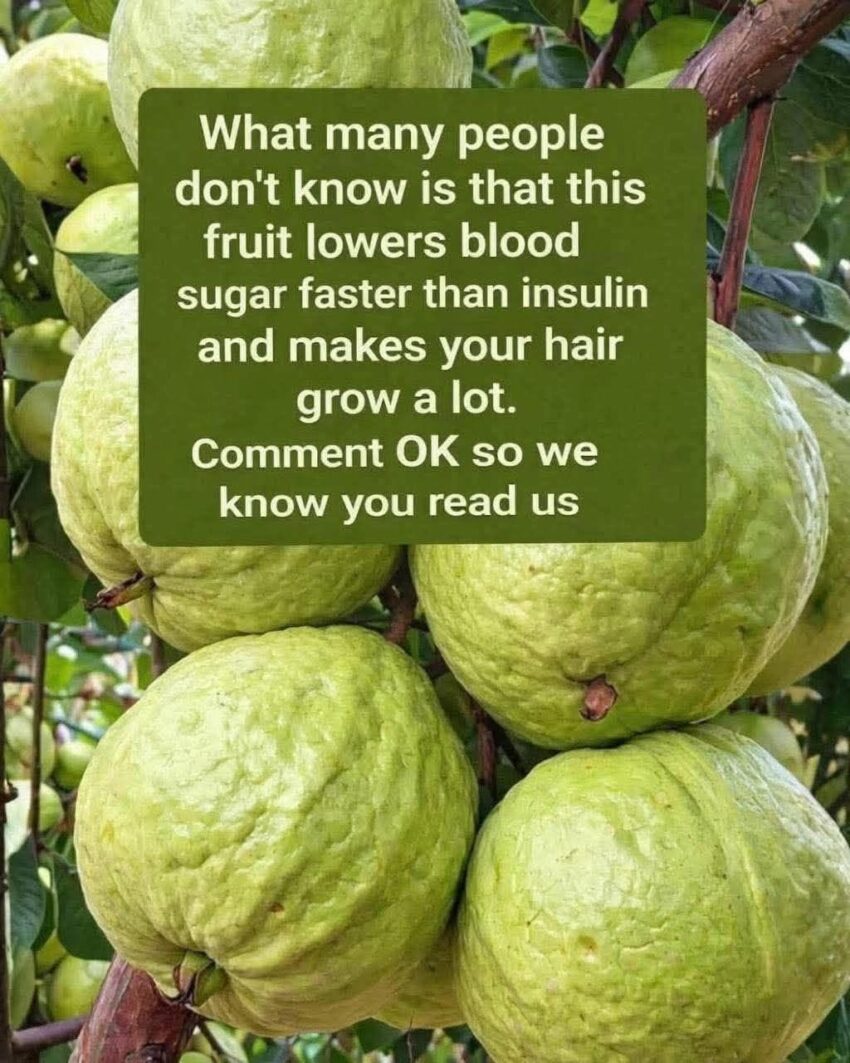
That claim is misleading in a big way, and it mixes a bit of science with a lot of exaggeration.
First: no fruit lowers blood sugar faster than insulin
Insulin is a hormone your body naturally uses to move glucose (sugar) out of the bloodstream and into cells within minutes. In medical use, injected insulin can start working very quickly depending on the type (rapid-acting insulin can begin lowering blood glucose in about 10–20 minutes).
No fruit can do that. Fruits contain carbohydrates (natural sugars like fructose and glucose), so most of them actually raise blood sugar, not rapidly lower it.
Some fruits (like berries, apples, pears) have:
- fiber → slows sugar absorption
- antioxidants → may support metabolic health
- lower glycemic index compared to candy or white bread
But that only means they cause a slower rise in blood sugar—not that they “lower it faster than insulin.”
Second: “makes hair grow a lot” — not proven like that
There is no fruit that reliably causes dramatic hair growth in humans.
Hair growth depends mainly on:
- genetics
- hormones (like thyroid and androgens)
- protein intake
- iron, zinc, vitamin D, biotin (if deficient)
- overall calorie and nutrient balance
Some fruits support hair health indirectly because they contain:
- vitamin C (helps collagen formation)
- antioxidants (reduce oxidative stress)
- hydration (water content)
Examples sometimes linked to “hair benefits” in marketing:
- oranges (vitamin C)
- guava (vitamin C + folate)
- berries (antioxidants)
But none of these will cause “a lot” of new hair growth on their own.
Why these claims spread online
This kind of idea usually comes from:
- viral social media posts
- misinterpreting “blood sugar friendly” foods
- blending nutrition facts with miracle-style promises
Real nutrition science is more gradual and less dramatic: food can support health, but it doesn’t act like a drug such as insulin.
If you want, tell me the fruit you saw in that claim and I can break down exactly what it actually does in the body.