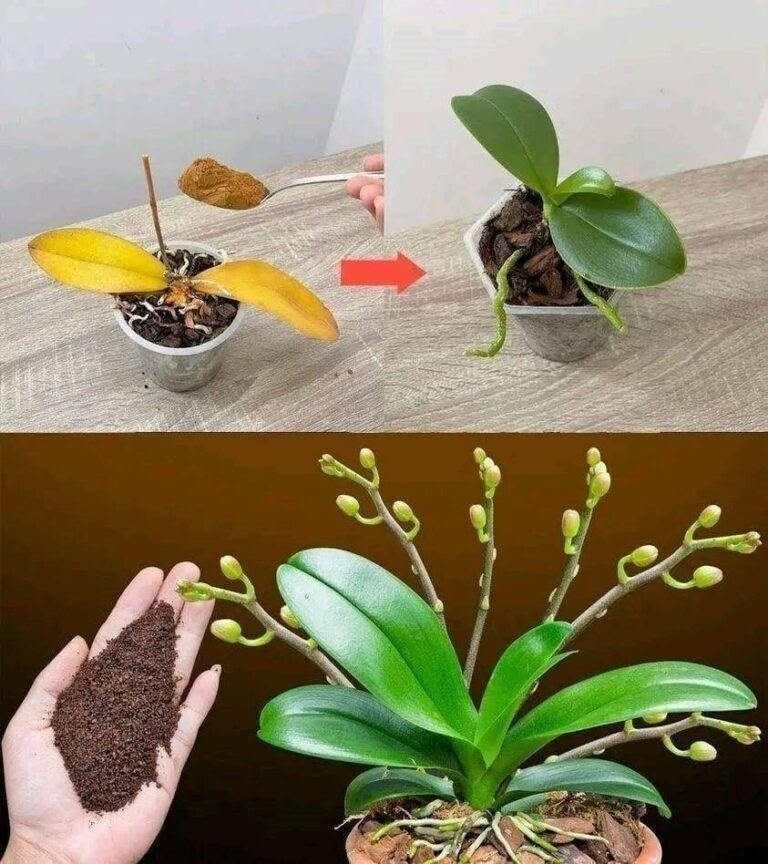
Orchids are among the most elegant and rewarding houseplants, but getting them to bloom consistently can sometimes feel like a challenge. If you’ve ever come across claims like “Just one teaspoon, and your orchid will suddenly bloom with lots of flowers,” you may be wondering whether there’s any truth behind them.
The reality is that there is no single miracle ingredient that instantly causes an orchid to bloom. However, certain natural supplements and proper care can help create the right conditions for healthy growth and abundant flowering over time.
Why Orchids Stop Blooming
Before reaching for any homemade remedy, it’s important to understand why an orchid may not be producing flowers. Common reasons include:
- Insufficient light
- Overwatering or poor drainage
- Lack of nutrients
- Incorrect temperatures
- Stress from repotting or environmental changes
Healthy roots and leaves are the foundation of beautiful blooms.
The “One-Teaspoon” Natural Boost
Many orchid enthusiasts use a mild homemade fertilizer to supplement regular plant care. One popular option is diluted rice water, which contains small amounts of minerals and starch that may support beneficial microorganisms in the growing medium.
To use it:
- Mix 1 teaspoon of fresh, unsalted rice water into about 1 cup (240 ml) of clean water.
- Water the orchid lightly once every two to four weeks.
- Avoid leaving the potting mix soggy.
Keep in mind that this is not a replacement for a balanced orchid fertilizer, and scientific evidence supporting dramatic flowering effects is limited.
Essential Care for More Flowers
If you want your orchid to bloom repeatedly, focus on the basics:
1. Provide Bright, Indirect Light
Most orchids thrive in bright light without direct afternoon sun. A window with filtered morning light is often ideal.
2. Water Correctly
Allow the potting medium to dry slightly before watering again. Orchids dislike constantly wet roots, which can lead to root rot.
3. Feed Regularly
Use a balanced orchid fertilizer according to the manufacturer’s instructions during the growing season. Consistent nutrition supports healthy flower spikes.
4. Maintain Proper Humidity
Orchids generally prefer humidity levels between 40% and 70%. A humidity tray or room humidifier can help in dry environments.
5. Encourage Reblooming
Many orchids benefit from slightly cooler nighttime temperatures, which can help trigger new flower spikes.
Patience Brings the Best Results
Orchids bloom on their own schedule. While natural supplements may support overall plant health, no single teaspoon of any ingredient can guarantee an instant explosion of flowers. Consistent care, proper lighting, balanced feeding, and healthy roots remain the real secrets to spectacular orchid blooms.
Final Thoughts
The promise of a “miracle teaspoon” is appealing, but successful orchid growing is built on steady care rather than quick fixes. Give your orchid the right environment, feed it appropriately, and be patient. With time, you’ll be rewarded with strong flower spikes and beautiful blooms that last for weeks—or even months.