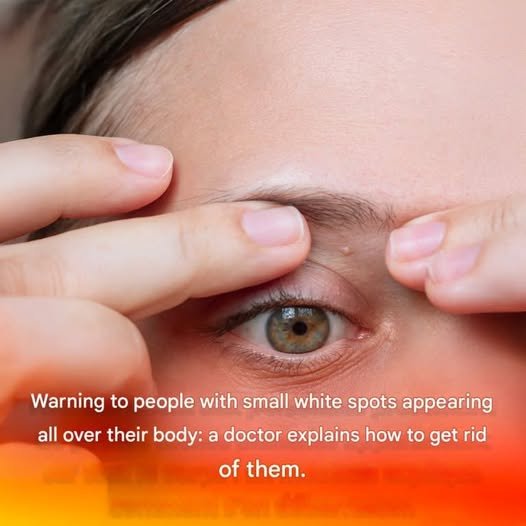
Have you recently noticed tiny white spots appearing on your arms, legs, chest, or other parts of your body? While these spots are often harmless, they can sometimes signal an underlying skin condition that may benefit from medical evaluation.
A sudden change in your skin can be concerning, but understanding the possible causes is the first step toward proper care. Here’s what dermatologists say about small white spots, common reasons they develop, and the treatment options available.
What Causes Small White Spots on the Skin?
White spots can develop for several different reasons. Some are temporary and harmless, while others may require treatment.
1. Idiopathic Guttate Hypomelanosis (IGH)
One of the most common causes of small white spots in adults is idiopathic guttate hypomelanosis (IGH).
These spots:
- Usually measure 2–5 mm in diameter
- Often appear on the forearms, shins, and other sun-exposed areas
- Become more common with age
- Are harmless and not contagious
Experts believe long-term sun exposure and natural aging contribute to this condition.
2. Tinea Versicolor
This common fungal skin infection can cause patches that appear:
- White
- Light brown
- Pink
The spots often develop on the chest, shoulders, neck, or back and may become more noticeable after sun exposure because the affected skin doesn’t tan normally.
Fortunately, antifungal creams, shampoos, or prescription medications usually treat the condition effectively.
3. Vitiligo
Vitiligo is an autoimmune condition in which pigment-producing cells (melanocytes) are destroyed, leading to well-defined white patches on the skin.
The patches may slowly enlarge over time and can appear anywhere on the body.
Although vitiligo isn’t contagious or dangerous, many people choose treatment for cosmetic or emotional reasons.
4. Post-Inflammatory Hypopigmentation
Sometimes white spots develop after:
- Eczema
- Psoriasis
- Burns
- Cuts
- Skin infections
As the skin heals, pigment may temporarily decrease in the affected area.
In many cases, normal skin color gradually returns over several months.
5. Nutritional Deficiencies (Less Common)
In some situations, deficiencies in certain vitamins or minerals may contribute to changes in skin pigmentation.
However, white spots alone are not enough to diagnose a vitamin deficiency, and other causes are far more common.
Can You Get Rid of White Spots?
Treatment depends entirely on the underlying cause.
Possible options include:
- Prescription antifungal medications for fungal infections
- Topical corticosteroids or other prescription creams for certain inflammatory conditions
- Light therapy for selected cases of vitiligo
- Cosmetic camouflage products
- Sun protection to reduce contrast between affected and unaffected skin
There is no single treatment that works for every type of white spot, which is why obtaining the correct diagnosis is essential.
Should You Try Home Remedies?
Social media often recommends remedies such as:
- Lemon juice
- Baking soda
- Toothpaste
- Vinegar
- Garlic
There is no strong scientific evidence that these treatments remove white spots safely. Some may even irritate the skin or make discoloration worse.
If you’re concerned about changes in your skin, it’s best to seek advice from a qualified healthcare professional rather than relying on unproven remedies.
When Should You See a Doctor?
You should arrange a medical evaluation if:
- White spots appear suddenly or spread rapidly.
- The patches are itchy, painful, or inflamed.
- They continue increasing in size or number.
- You’re unsure of the cause.
- The changes are affecting your confidence or quality of life.
A doctor or dermatologist can examine your skin and recommend the most appropriate treatment based on the underlying condition.
Tips for Healthy Skin
To help protect your skin and maintain its health:
- Wear sunscreen with SPF 30 or higher every day.
- Avoid excessive sun exposure.
- Moisturize regularly if you have dry skin.
- Avoid picking or scratching irritated areas.
- Eat a balanced diet rich in fruits, vegetables, lean protein, and healthy fats.
- Follow your healthcare provider’s treatment plan if you have a diagnosed skin condition.
The Bottom Line
Small white spots on the skin are often harmless, but they can have many different causes, including sun-related changes, fungal infections, vitiligo, or skin healing after inflammation. Because treatment depends on the specific diagnosis, there is no universal cure.
If you notice new or changing white spots, especially if they spread or concern you, consult a healthcare professional for an accurate diagnosis and personalized treatment plan. Early evaluation can help identify the cause and guide the most effective care.